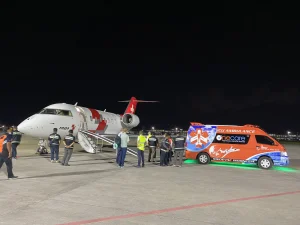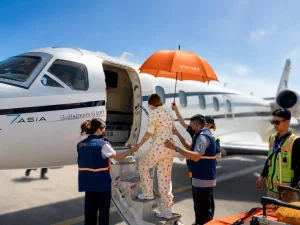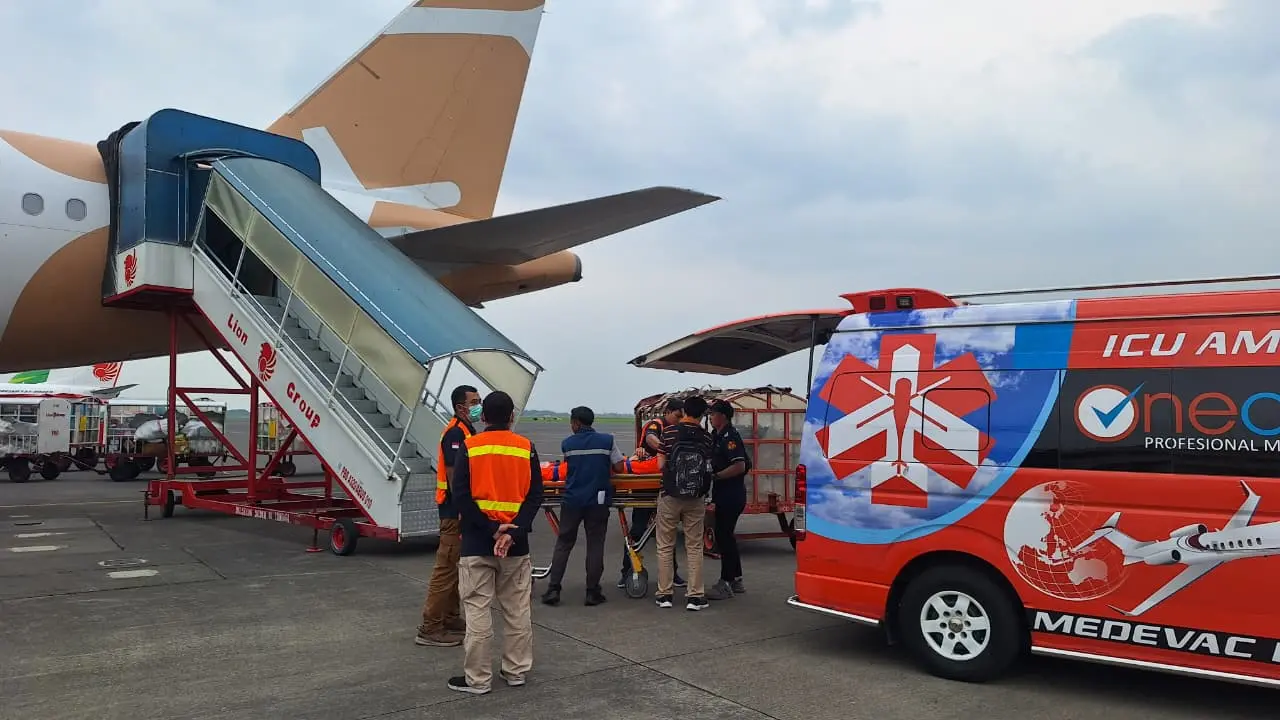
When a patient in a remote part of the archipelago cannot wait for local care to catch up, urgent medical evacuation Indonesia can be the difference between a stable recovery and a dangerous delay. Island distances, mountain roads, and widely spread clinics mean every transfer must be organized quickly and supervised by medical professionals. This guide explains how these transfers unfold and what families, employers, and insurers should understand before an emergency happens.
Urgent Medical Evacuation Indonesia Explained
A well-run transfer follows a clear sequence in which clinical decisions and logistics move together. Each stage passes the patient to the next team with complete information, which lowers risk and avoids repeated assessments along the way.
Patient Assessment on Site
Everything begins with a medical review of the patient’s condition, vital signs, and stability for travel. This early evaluation decides whether moving the patient is safe, how urgent the move is, and what level of care must accompany them during the journey. A clear picture at this stage prevents wasted time later.
Coordination Across Teams
Treating doctors, the receiving hospital, transport crews, and family members all need the same information at the same moment. Round-the-clock support such as 24/7 medical evacuation coverage keeps these parties connected, so permits, vehicles, and bed availability are confirmed before the patient leaves.
Transfer and Hospital Handover
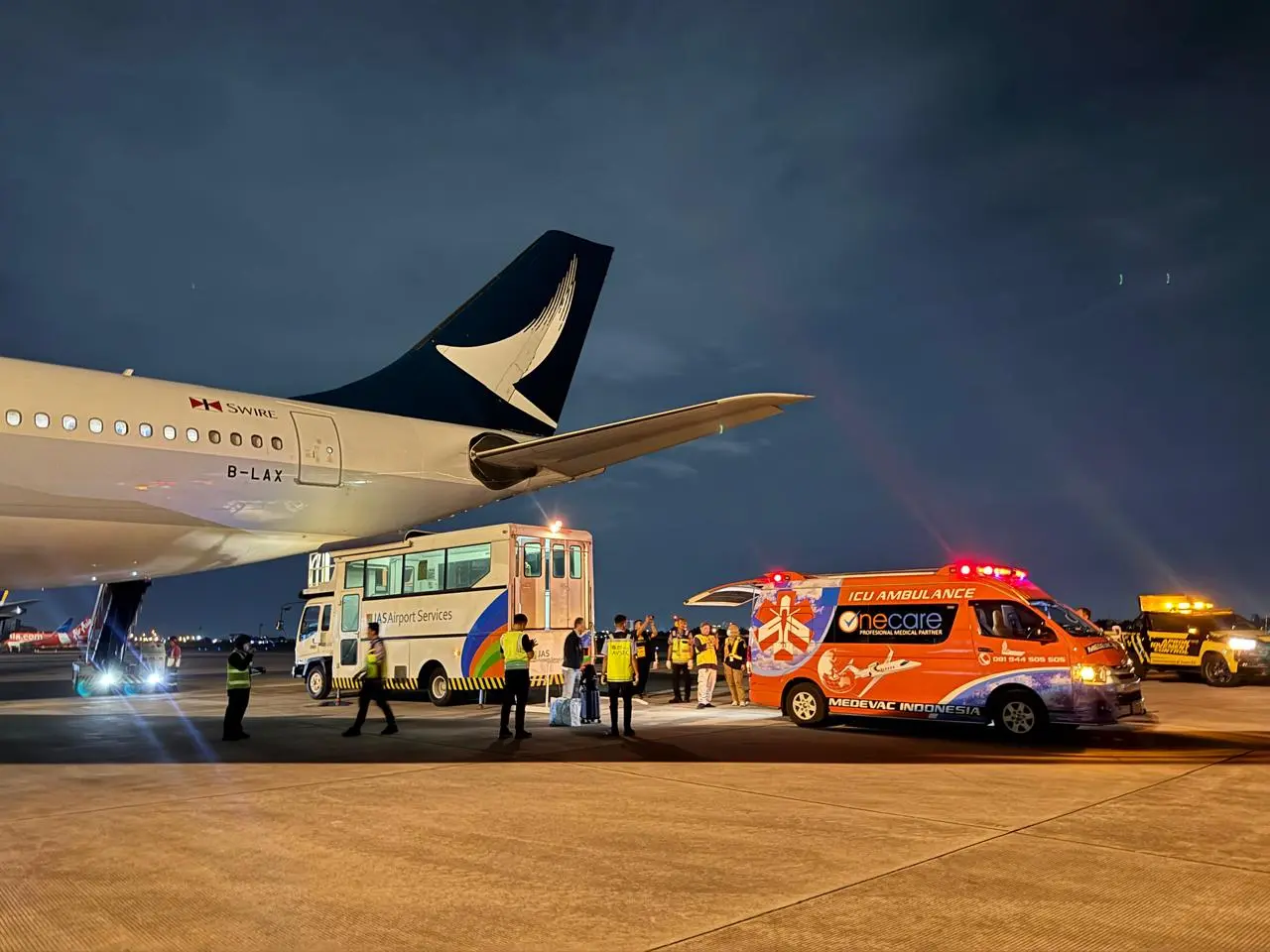
Once the route is confirmed, the patient travels with continuous monitoring until arrival. On reaching the destination, the accompanying clinician gives a detailed handover to the receiving team, covering medication, treatment given, and any changes during transit, so care continues without interruption.
Critical Care During Transit
Some patients need far more than a ride to the hospital. Severe injuries, cardiac events, or breathing problems call for intensive monitoring that continues from the bedside to the destination ward. The strength of a transfer service shows in what it can deliver while the vehicle is moving.
- Experienced clinical crew: Doctors and nurses trained in emergency and intensive care can adjust treatment during the journey instead of simply observing the patient.
- Onboard life-support equipment: Ventilators, cardiac monitors, and infusion pumps allow the patient’s condition to be stabilized and tracked from departure to arrival.
- Time-focused planning: Routes, handover points, and standby facilities are arranged ahead, so minutes are not lost to avoidable waiting.
Choosing Transport Options
The best vehicle depends on the patient’s condition, the distance, and the terrain. Matching these factors correctly saves time and avoids putting unnecessary strain on someone who is already unwell.
Ground Ambulance for Short Distances
Road ambulances remain the practical choice for transfers between nearby hospitals or from a clinic to a major city facility. They carry essential supplies, can stop quickly if the patient’s condition changes, and are usually the fastest option to arrange when the route is accessible and relatively short.
Air Ambulance for Remote Locations
Where roads are slow or the patient is on another island, an aircraft fitted as an intensive care unit shortens the journey from many hours to a fraction of that time. Air transport also allows access to larger hospitals that may not exist anywhere near the patient’s original location.
Medical Escort for Planned Travel
Not every journey is an emergency. Patients who must return home or move to a specialist facility on a commercial flight can travel with a qualified clinician at their side. Visitors can learn more about medical assistance for travelers in Indonesia to see how this support works in practice.
Funding Urgent Medical Evacuation Indonesia
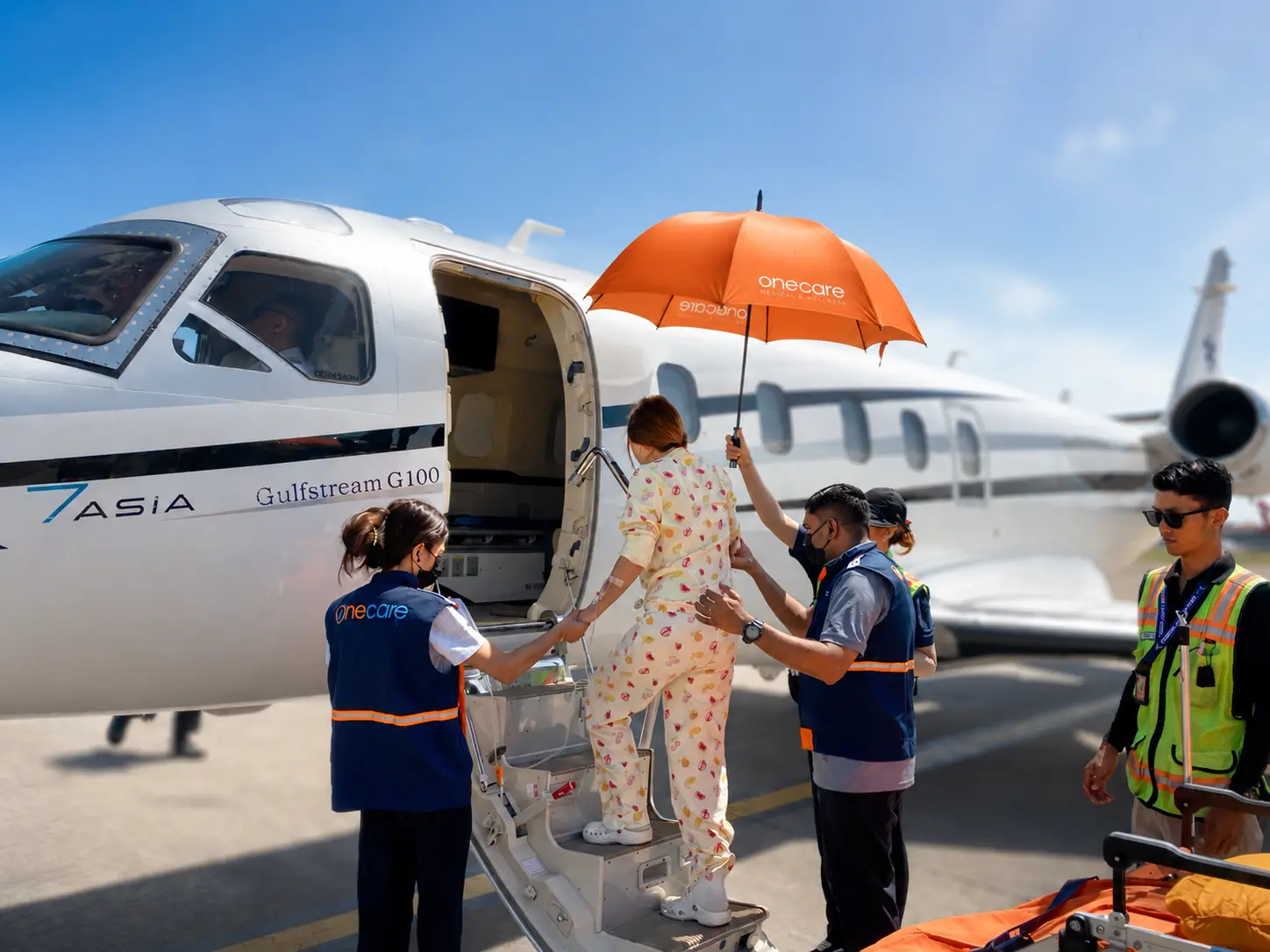
Transfers can be costly, and the financial question often arrives at the worst possible moment. Understanding how insurers and assistance providers fit into the process helps families act quickly without worrying about payment first.
- Policy coverage: Many travel and corporate health policies cover evacuation costs, but limits and conditions differ, so reading the terms before a trip is worthwhile.
- Assistance teams: Dedicated case managers can verify coverage, approve the transfer, and speak to the hospital on the family’s behalf.
- Hospital networks: Established relationships with medical facilities speed up admission and reduce paperwork at the point of arrival.
Coordinated Care From Start to Arrival
Choosing a provider for urgent medical evacuation Indonesia is ultimately about trust in the whole journey, not just the vehicle. A medical evacuation service does more than move a patient from one place to another. It makes sure every step of the medical journey is coordinated, so the patient receives the right treatment until they reach the destination facility.
Reach the One Care team directly through any of these channels:
- WhatsApp: Chat with our team now
- Visit us at One Care Bali: Jl. Sedap Malam No.110A, Kesiman, Kec. Denpasar Tim., Kota Denpasar, Bali 80237
- Email: emergency@onecarepartner.com
Preparing before a crisis makes the biggest difference. Save emergency numbers, check what your insurance covers, and share key medical details with the people traveling alongside you. With a plan in place, help can begin moving the moment it is needed.