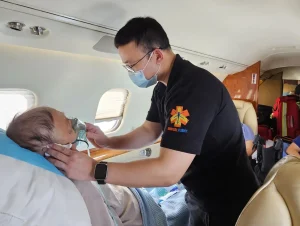
These days, health insurance opens the door to far better access to medical care. More and more insurers now offer plans that cover treatment not only at hospitals in Indonesia, but at hospitals overseas as well.
That naturally leads many people to ask a simple question: can BPJS Kesehatan be used abroad? If you have been wondering the same thing, the explanation below walks through the answer, how overseas coverage usually works, and what to prepare before you travel.
Can BPJS Kesehatan Be Used Abroad?
Medical technology and expertise in Indonesia have advanced considerably in recent years. The government has supported this progress by encouraging international-standard hospitals, equipped with modern facilities and up-to-date medical equipment.
Even so, interest in seeking treatment overseas remains high. One common reason is that the cost of care in some countries is relatively reasonable for the technology and quality of service patients receive. Others go abroad for a second opinion, or for a specialist who focuses on a rare or complex condition.
This is where many people start to wonder whether their BPJS Kesehatan membership can cover the cost of treatment abroad. It helps to know that every insurer has its own policies and products, so the answer depends on which kind of coverage you hold.
JKN-KIS, the national health insurance program run by BPJS Kesehatan, does not cover medical treatment for patients overseas. Its benefits are designed for care received within Indonesia. Private national insurers are different. Many of them now offer plans that cover hospital costs abroad, usually with a clear list of eligible countries, hospitals, and treatments.
If you want a plan that covers overseas hospital costs, take time to understand how it works before you sign up. Overseas health insurance generally offers two systems, cashless and reimburse, which make it easier to settle hospital bills abroad. Read the explanation of each below, and compare the waiting periods, annual limits, and exclusions in each policy as well.
- Cashless System
This is a non-cash payment system for treatment abroad. A patient using this system only needs to show their insurance membership card at the hospital. The hospital, which must already be a partner of the insurer, then verifies that the policy is active and processes the cost of treatment directly with the insurance company. Patients usually still need to cover items that fall outside their coverage, so it is wise to ask the hospital’s billing team what is and is not included before treatment begins.
- Reimburse System
Unlike the cashless system, the reimburse system usually requires patients to pay the hospital bill from their own funds first. Only after the bill has been paid does the insurer refund the amount, once the patient submits a claim. To file the claim, you will typically be asked to provide the hospital receipt, the medical examination records, and a letter from the doctor. Keep every document carefully, and check the claim deadline in your policy, since claims submitted late may be rejected.
With this information, you now have a clear answer to the question of whether BPJS Kesehatan can be used abroad. If you plan to be treated at an overseas hospital, you will need a health insurance plan from a provider that specifically offers overseas hospital coverage.
Do You Need a Vaccine Before Traveling Abroad?
It is no secret that the Covid-19 pandemic changed daily life in countries around the world, Indonesia included. In the years that followed, many countries introduced vaccination requirements for people entering their borders, and health checks before travel became a more familiar part of planning a trip.
That raised a question for many travelers: do you need to be vaccinated before going abroad? If you have been asking the same thing, the details below will help you plan.
Is a Vaccine Required Before Traveling Abroad?
Traveling abroad is a goal for many people, whether for a holiday or to visit interesting places in another country. Before departure, there are usually several things to prepare, such as an itinerary, clothing, accommodation, and travel documents.
Yet one of the most important steps is often overlooked: vaccination. Entry requirements differ from one country to another and can change over time. Some destinations ask for proof of vaccination against specific diseases, such as yellow fever for travelers arriving from certain regions. Pandemic-era rules, including booster requirements, have been relaxed in many places, so it is best to confirm the latest rules with the embassy of your destination country, your airline, or a travel health clinic before you go.
The purpose of vaccination is not only to satisfy a requirement. It protects your health from diseases that are more common in the country you plan to visit. Getting vaccinated before a trip also brings several benefits that many people do not think about.
Some of the key benefits of being vaccinated before traveling abroad include the following.
- Lowering the Risk of Infection
Beyond meeting entry requirements, vaccination helps reduce the risk of infections that can have serious consequences. Some countries carry a risk of diseases that travelers rarely think about, such as typhoid, hepatitis A, or measles. This is why vaccination matters before a trip, particularly for people with a weaker immune system, older travelers, and anyone with an existing health condition. It is best to visit a doctor or travel clinic at least a few weeks before departure, since some vaccines need time to build protection.
- Saving on Healthcare Costs
Vaccination before a trip can also protect your finances. Imagine a traveler who skips recommended vaccines and then falls ill at the destination. The risk of catching a disease is higher, and so is the cost of treatment, which may include hospital fees, medication, and extra nights in a hotel. Vaccination does cost money, but it is a small amount compared with the cost of emergency medical care in a foreign country.
- Preventing Transmission to Others After Your Trip
Another benefit is protecting the people around you when you return. Vaccination lowers the chance of bringing an illness home to the people you care about, including children, elderly relatives, and others who are more vulnerable. If you want to keep your family safe after a trip, vaccination is a simple step to take before you leave.
With all of this in mind, preparing for a trip abroad should include checking vaccination requirements and recommendations for your destination. The exact vaccines you need will vary, but taking this step is the surest way to avoid unwanted problems later on.