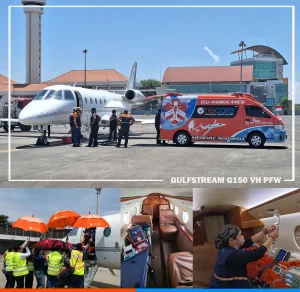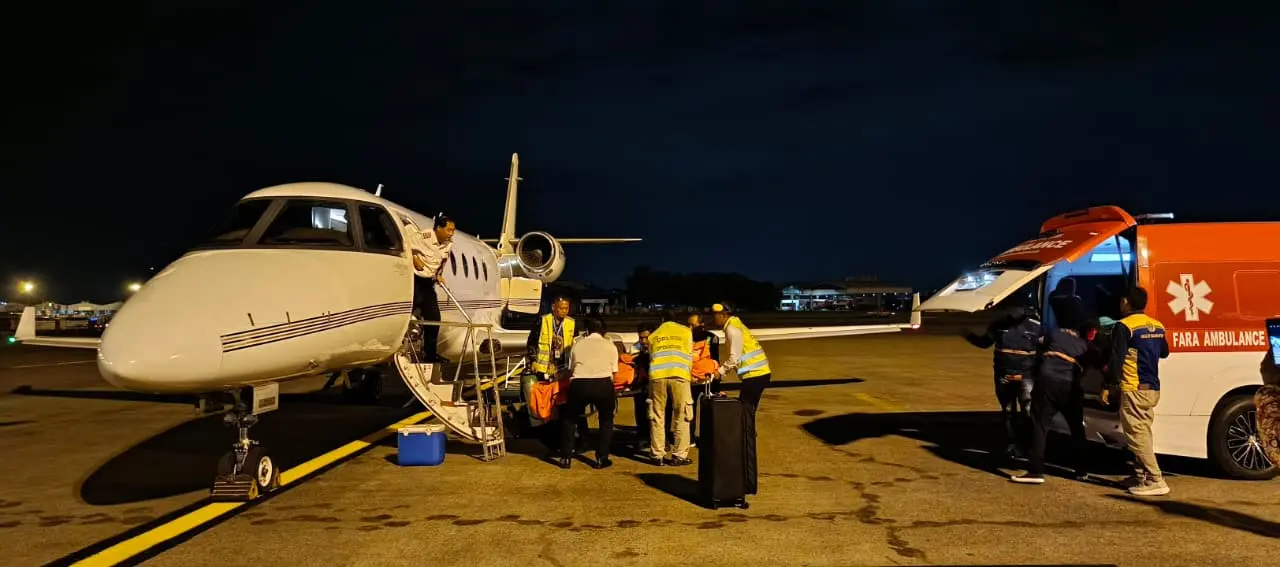
For insurers and travel insurance providers, air ambulance coverage Indonesia is one of the most consequential lines in a policy, and one of the easiest to misunderstand. A traveler in a remote part of the archipelago may need transport that no road can provide, and the bill for that transport lands on someone within hours. This guide looks at the topic from the insurer’s side: what a policy should spell out, how cases move from authorization to arrival, and how to keep clients informed before an emergency forces the conversation.
What Air Ambulance Coverage Indonesia Should Include

A policy that simply says “medical evacuation included” leaves too much open. Clear wording protects both the insurer and the client. Three areas deserve the most attention.
Transport Modes Covered
Air transport is not always the right answer, so the policy should say which options it supports. Useful points to define:
- Whether cover extends to fixed-wing aircraft, helicopters, ground ambulances, and sea transfers
- Whether the policy pays for transfer to the nearest suitable facility, repatriation to the home country, or both
- Whether a medical escort on a commercial flight counts as covered transport
Spelling these out in advance prevents disputes when a case needs a mode the client did not expect.
Authorization and Direct Billing
Speed matters once a case opens, and unclear approval rules slow everything down. Policy documents should answer these questions:
- Who authorizes the evacuation, and how quickly
- Whether pre-approval is mandatory before transport starts
- Which medical reports and policy details the provider needs
- Whether the provider bills the insurer directly or the client pays first and claims later
Remote and Offshore Locations
Indonesia’s geography makes remote and offshore cases a regular part of the picture, not an exception. Policies should state plainly whether they cover islands with limited airstrips, offshore sites, and activities such as diving or trekking. Vague exclusions create the most painful claims conversations, because the client usually learns about them only after an incident.
Why Standard Travel Policies Leave Gaps

Many travelers assume a standard plan already pays for an air transfer. Often it does not. Treating air ambulance coverage Indonesia as an optional add-on, rather than a default, means clients discover the gap at the worst possible moment. A few habits help insurers close it:
- Show evacuation benefits on the first page of the policy summary
- Explain the limits in plain language, not only in the fine print
- Offer a clear upgrade path for clients heading to remote areas
Clear explanation at the point of sale builds trust and cuts disputes later.
Cost Transparency Builds Client Trust
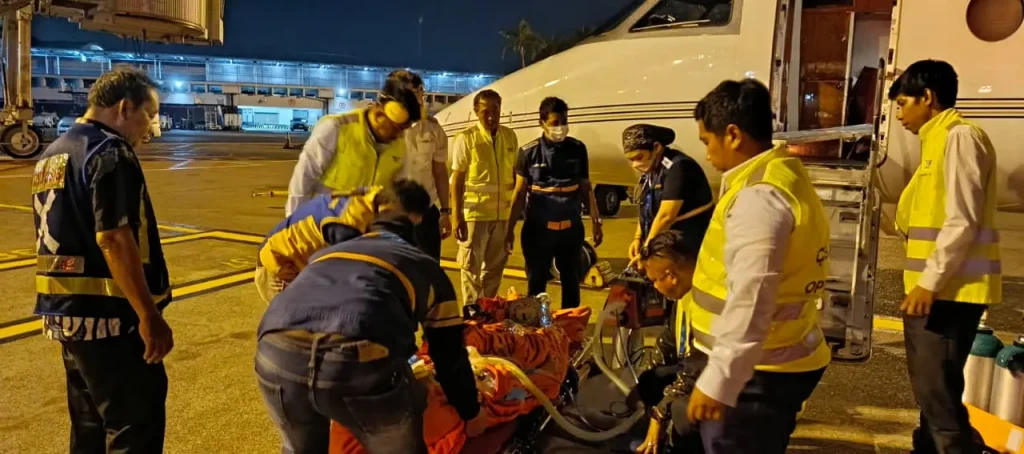
Evacuation costs vary widely from one case to the next, and clients deserve to know why. Several factors drive the final figure:
- Distance between the pickup point and the receiving hospital
- The type of aircraft the case requires
- The patient’s medical needs and the crew that requires
- How urgently the transfer has to happen
Insurers who explain these factors in policy literature help clients see the value of adding air transport cover. For a closer look at how pricing and provider selection work from the buyer’s side, this guide to air ambulance services in Indonesia walks through the details.
Checking Provider Quality Before You Contract
A generous policy still fails if the provider behind it cannot deliver. Before signing a network agreement, insurers typically look at:
- Crew qualifications and ongoing training
- Aircraft maintenance records and inspection history
- Compliance with national aviation oversight
- Round-the-clock coordination, not just a daytime call line
Our article on safety and oversight standards for air ambulance operations in Bali explains what good practice looks like in each of these areas.
Tailoring Cover for Frequent and Remote Travelers
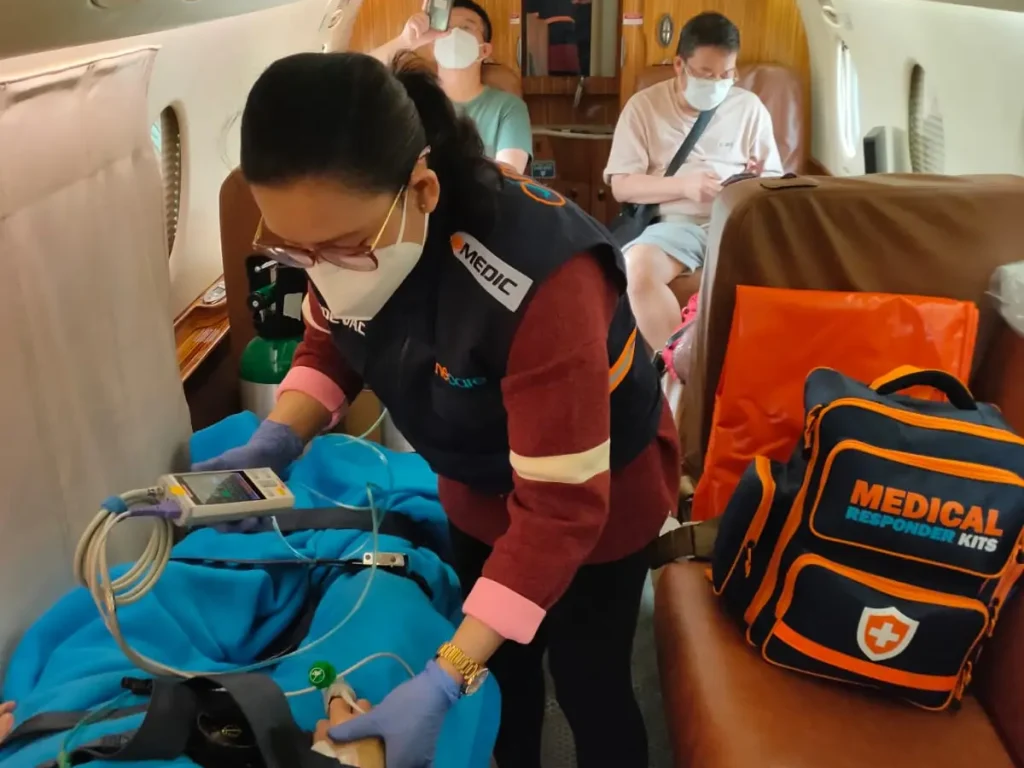
Not every client carries the same risk. Frequent travelers, adventure tourists, and staff posted to project sites face a higher chance of needing evacuation, and a one-size policy rarely fits them well. Packages built around these groups, with clear evacuation limits and simple claim steps, give insurers a stronger offer and give clients a reason to stay.
Choosing a Partner Insurers Can Rely On
Well-written air ambulance coverage Indonesia only works if a capable partner is ready to act on it when a claim becomes a live case.
Supported by medical teams and evacuation equipment positioned in 12 cities, Onecare Partner can manage multiple simultaneous cases and support disaster response and mass casualty evacuations when required. That capacity matters to insurers whose portfolios can produce several claims at once, for example after a natural disaster or a major incident involving a tour group.
- Talk to the Onecare Partner team about how we can support your policyholders
- Review our air ambulance service in Indonesia in full detail
Good coverage is a promise made months before anyone needs it. Keeping that promise depends on clear policy wording, honest communication about costs, and a response network that is already in place when the call comes.