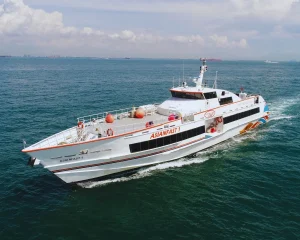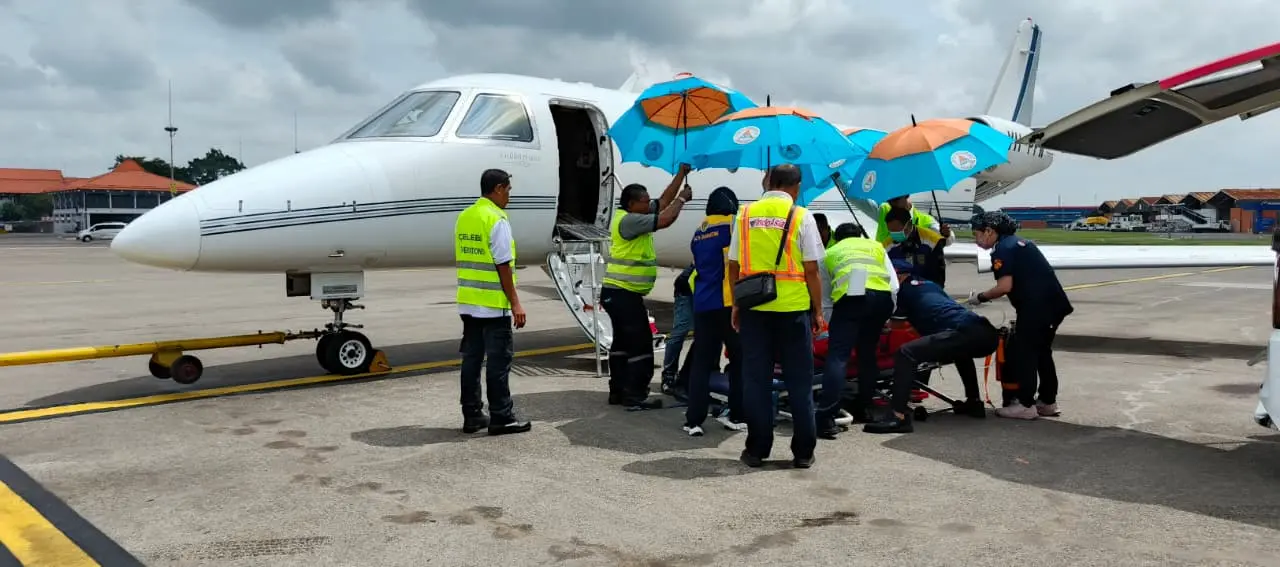
When someone is seriously hurt or suddenly ill on the island, every minute counts, and knowing which bali air ambulance solutions exist can shape the outcome. Bali’s busy tourism, winding roads and distance from major referral hospitals mean that ground transport alone is not always enough to reach the right care in time.
This guide walks through the aircraft, services and planning steps behind medical evacuation on the island. It is written for residents, visitors and families who want to understand their options clearly before an emergency forces a fast decision.
Bali Air Ambulance Solutions Explained
Air ambulances are not all the same. The right aircraft depends on how far the patient must travel, how stable their condition is and where the pickup point is located. Understanding the main types makes it easier to ask providers the right questions.
Fixed-Wing Aircraft for Long Routes

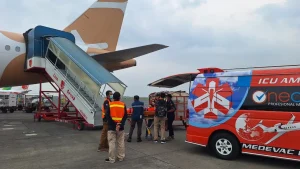
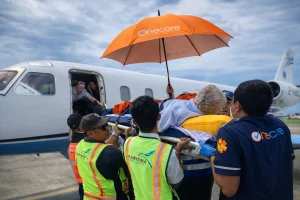
Fixed-wing aircraft are the usual choice when a patient must reach a hospital in another city or even another country. They cover long distances quickly and carry a stretcher, monitors and oxygen supply inside a pressurised cabin, which helps keep the patient steady throughout the flight.
Helicopters for Hard-to-Reach Places
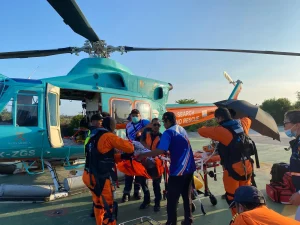
Helicopters suit shorter hops and locations where an airstrip is out of reach, such as mountain villages, coastal cliffs or small outer islands. Because they can land in tight spaces, they shorten the gap between the incident and the first hospital bed.
Flight Teams and Onboard Equipment
A flight is only as strong as the people on it. Most air medical teams include a doctor and a nurse trained for in-flight care, who watch vital signs and adjust treatment as conditions change. Ventilators, defibrillators and infusion pumps allow them to manage serious cases at altitude.
How Medevac Services Run in Bali

Aircraft are only one part of a medevac mission. Behind every flight sits a chain of calls, approvals and handovers that must work together smoothly. Here is how that chain usually comes together on the island.
Rapid Response at Any Hour
Emergencies do not wait for office hours, so reliable providers keep a dispatch line open day and night. Once a request comes in, the team assesses the patient’s condition, confirms the pickup location and arranges the aircraft, crew and flight clearances in parallel.
Hospital Coordination and Handover
Before takeoff, the medical team speaks with doctors at both ends to share the patient’s history and agree on the destination facility. On arrival, a ground ambulance is already waiting, so the patient moves from aircraft to treatment room without gaps in care.
Insurance and Payment Support
Many travelers hold policies that cover evacuation, but the paperwork can feel overwhelming in the middle of a crisis. Experienced providers liaise directly with insurers to confirm coverage and payment guarantees, which lets families focus on the patient instead of on forms.
Choosing Bali Air Ambulance Solutions
Not every provider delivers the same standard, so it pays to compare a few key points before you commit. This applies to urgent transport between hospitals as well as full patient transfer flights. For a wider comparison, you can also read our overview of medical evacuation providers in Indonesia.
- Track record: Ask how many missions the team has completed and whether they have experience with cases similar to yours.
- Medical capability: Confirm that the crew includes qualified doctors or nurses and that the aircraft carries the equipment your condition requires.
- Clear communication: A good provider explains each step in plain language and keeps family members updated from pickup to arrival.
- Transparent costs: Request a written estimate that shows what is included, so there are no surprises once the patient is already in transit.
Preparing Before an Emergency Happens
A little preparation removes much of the stress when something goes wrong. Visitors in particular should settle a few basics before the trip begins, and our guide to medevac options for travelers in Indonesia explains what else to check.
- Review your policy: Make sure your travel insurance explicitly covers air evacuation and repatriation, not only hospital treatment.
- Save key numbers: Keep your insurer, your embassy, nearby hospitals and an evacuation provider in your phone before you need them.
- Carry medical details: Store allergies, current medication and existing conditions in a note that a companion can easily find.
- Know the nearest facility: Learn which hospital is closest to where you are staying, along with the fastest route to reach it.
More Than Moving a Patient
Strong bali air ambulance solutions do more than carry someone from one bed to another. Medical evacuation is about coordinating every stage of the journey, from the first assessment to the handover at the receiving facility, so the patient receives the right treatment until they arrive safely at their destination.
If you need guidance on an evacuation or simply want to understand your options, the One Care Bali team is ready to help through the channels below.
- Chat with the team on WhatsApp: https://wa.me/6281260505505
- Visit One Care Bali: Jl. Sedap Malam No.110A, Kesiman, Kec. Denpasar Tim., Kota Denpasar, Bali 80237
- Send details by email: emergency@onecarepartner.com
Preparing early, asking detailed questions and choosing a coordinated provider gives patients and families the best chance of a smooth transfer. Keep this information close, share it with your travel companions, and act quickly if the moment ever comes.