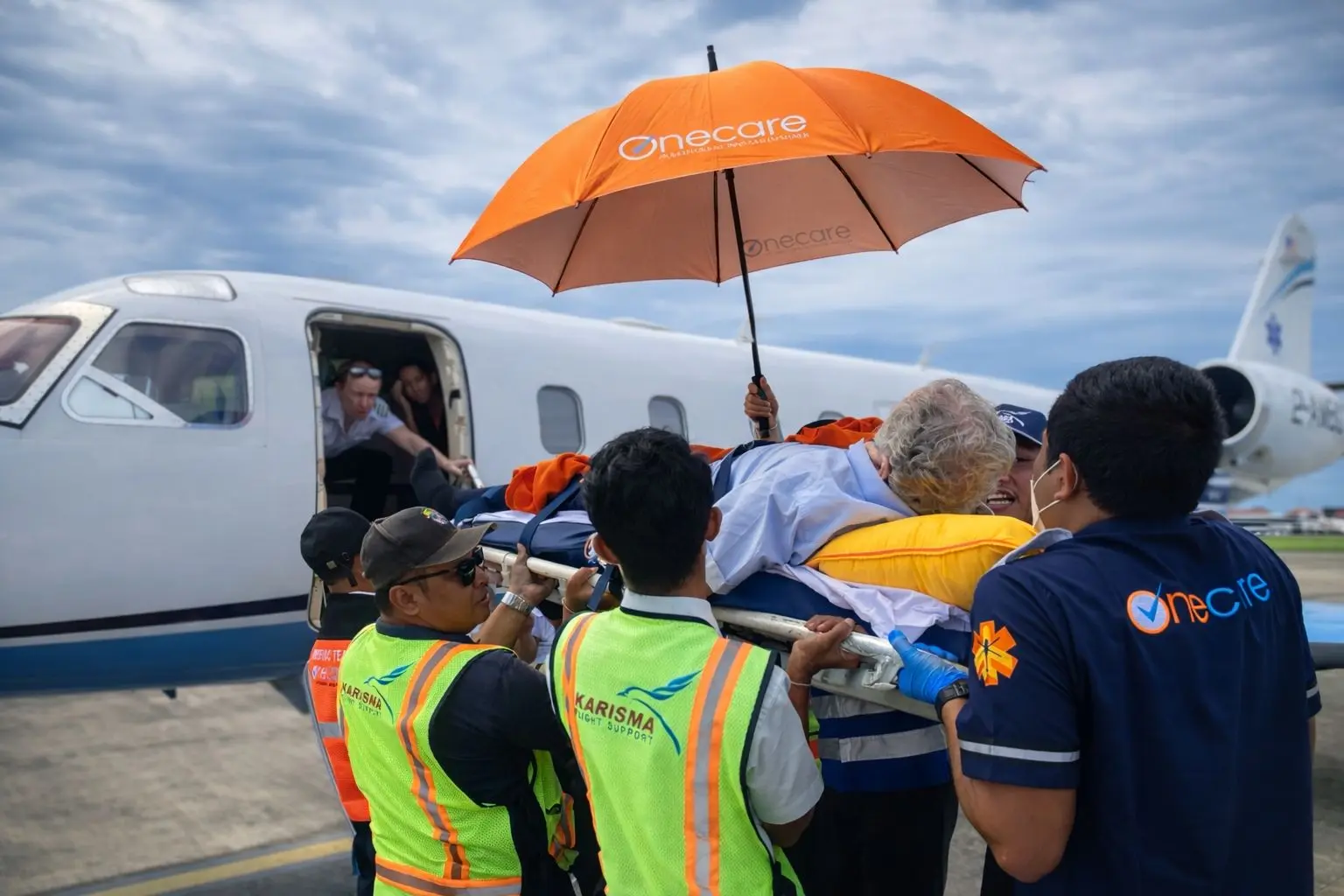
Medical evacuation services in Bali exist for the moments when an injury or sudden illness needs more care than a nearby clinic can offer. A scooter fall on a coastal road, a severe infection after a trek, or a heart scare far from the city can all turn a holiday into a race against time. Knowing which options exist, and who sets them in motion, helps travelers and their families react calmly instead of improvising under stress.
Medical Evacuation Services in Bali
Not every emergency calls for the same kind of transport. The right choice depends on how stable the patient is, how far the nearest suitable hospital sits, and where treatment will continue afterward. Three main categories cover most situations on the island.
Air Ambulance for Critical Cases
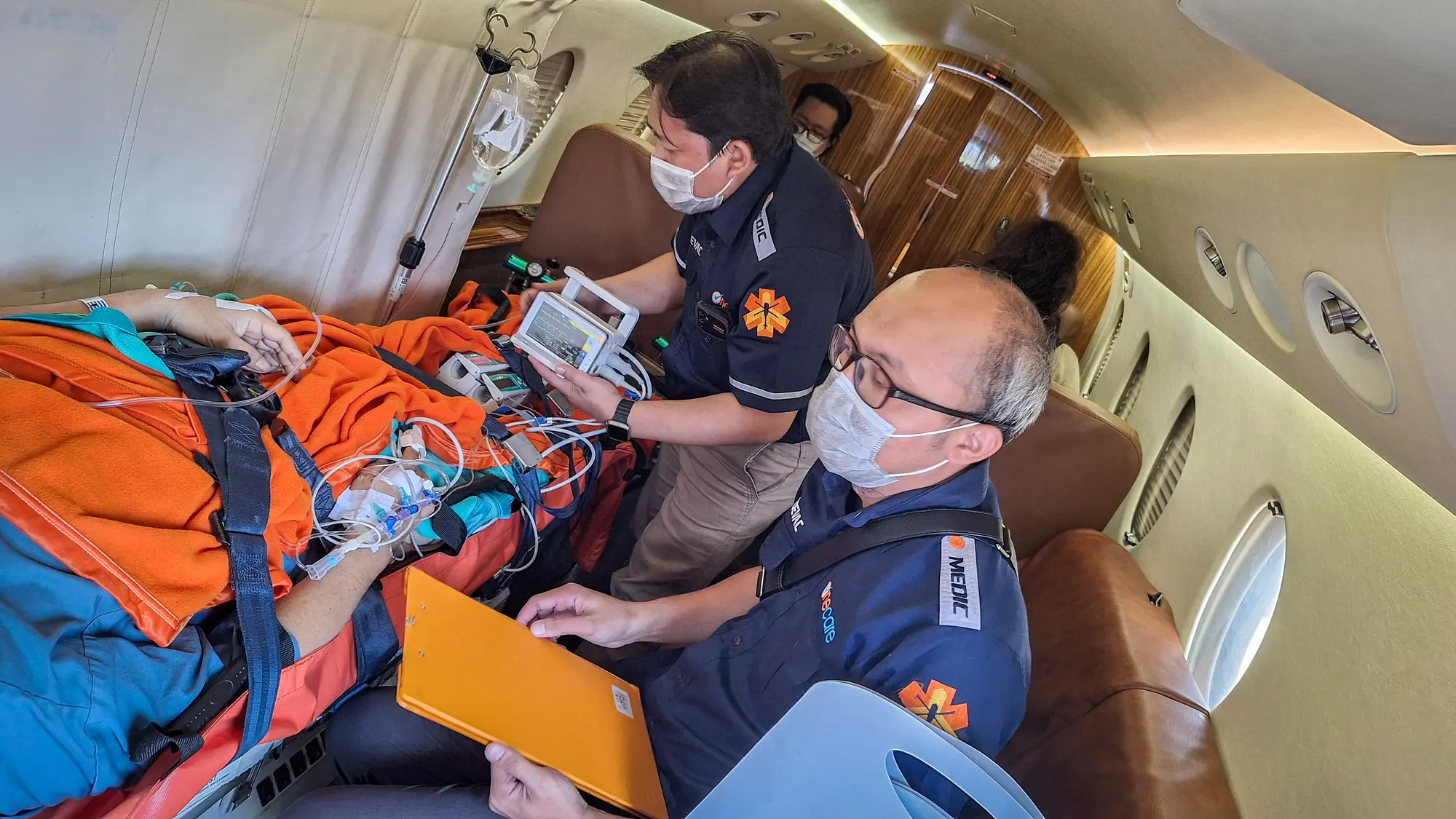
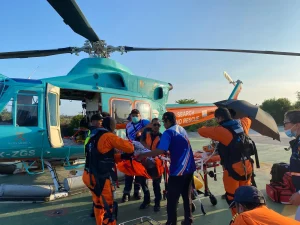
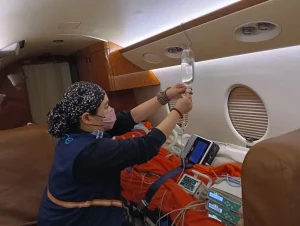
An air ambulance is essentially a flying intensive care room. A medical crew monitors the patient throughout the flight, and onboard equipment supports breathing, circulation, and vital signs. This option fits patients who need specialist care that Bali cannot provide, or who must reach a hospital on another island or abroad quickly. Because flight conditions add their own risks, it is worth reading about air ambulance safety standards in Bali to understand what a responsible operator should have in place.
Ground Ambulance for Local Transfers
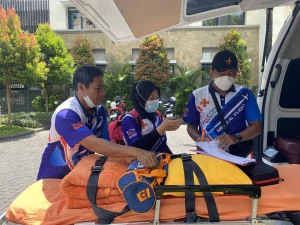
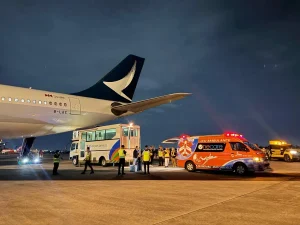
When a patient is stable enough to travel by road, a ground ambulance is usually the faster and simpler answer. It carries paramedic-level care from the scene to an emergency room, or moves a patient between hospitals within the island. Traffic around the southern tourist areas can slow things down, so crews often plan routes with that in mind.
Medical Repatriation Back Home
Some patients are well enough to leave the island but still need treatment closer to family and their own doctors. Repatriation covers that journey from start to finish. It includes the medical escort, the paperwork, the hand-over between hospitals, and the seat or aircraft arrangements that make a long trip safe.
How an Evacuation Unfolds
Behind every transfer is a sequence of decisions made in a short window. Seeing the steps ahead of time makes the whole experience less intimidating.
Raising the Alarm
The process begins with a call, either to a local assistance provider or to the insurer listed on your policy. Share your exact location, the patient’s condition, and your policy number. The more precise the information, the quicker the team can decide who to send.
Stabilizing the Patient
Responders first check the patient where they are and give whatever treatment cannot wait. Only after that do they decide whether the person can be moved, and by what means. Rushing this stage can do more harm than good, so it is handled carefully.
Moving to the Right Facility
The final step is choosing the destination. A nearby hospital may be enough for a fracture, while a complex cardiac or neurological case may need a larger center elsewhere. The team confirms that the receiving hospital is ready before the patient departs, so no one waits at the door.
Getting Ready Before You Fly
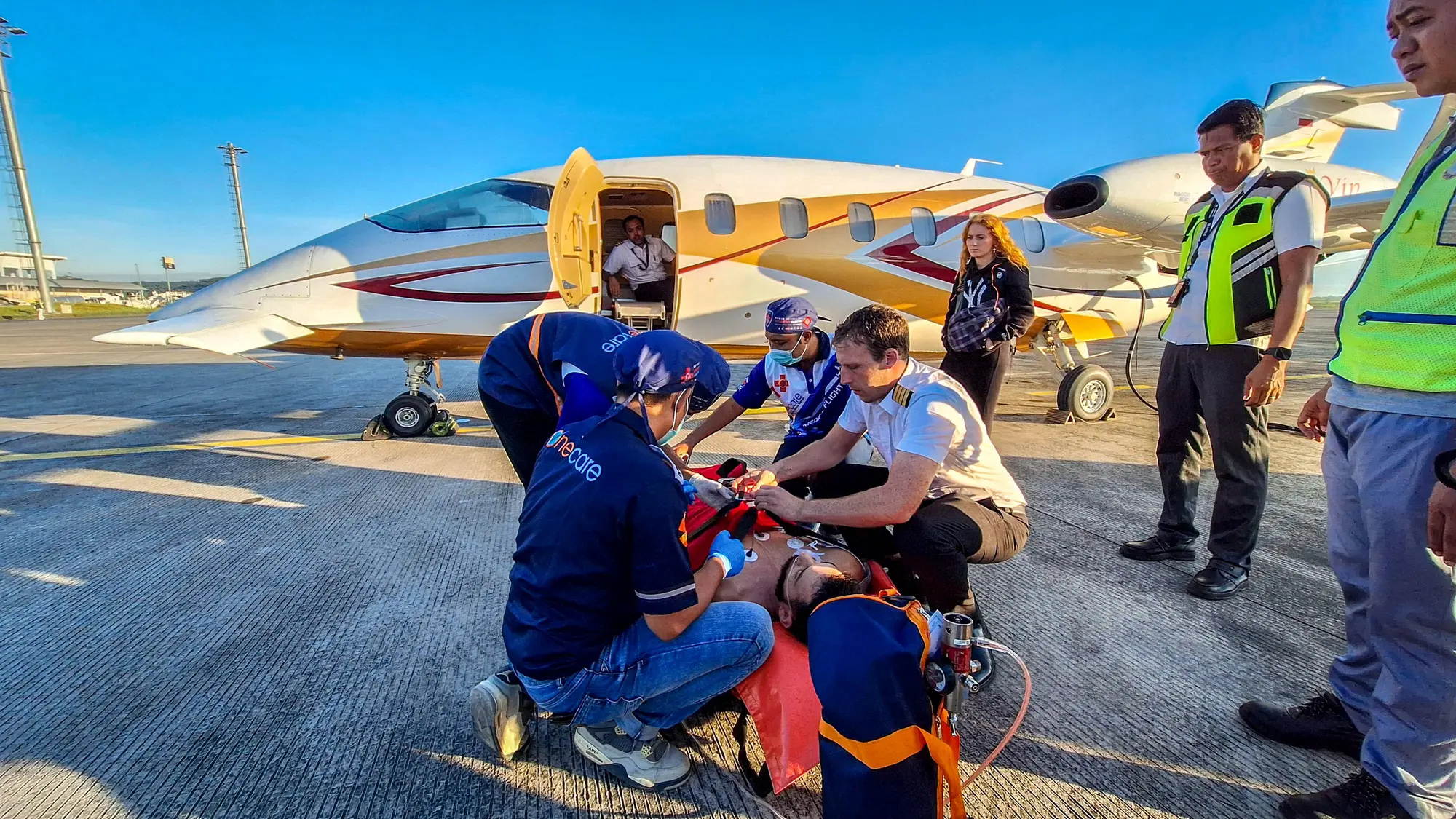
Preparation costs far less than a scramble in the middle of a crisis, and it takes only a few minutes. Many travelers learn about medical evacuation services in Bali only after something goes wrong, which is exactly the wrong time to start reading policy wording. A short checklist helps:
- Check that your travel insurance explicitly lists emergency evacuation, and note any limits on activities such as diving or motorbike riding.
- Save your insurer’s assistance number and your policy details offline on your phone.
- Write down the name of your accommodation and its address in Indonesian, so drivers and responders can find you fast.
- Keep a short list of medications and allergies in your wallet or phone.
- Read through medical assistance for travelers in Indonesia to see how support works across the wider country.
Coordinated Care From Start to Finish
Medical evacuation services in Bali are about more than moving a patient from one point to another. What matters is that every part of the journey is coordinated: the medical team, the transport, the receiving hospital, and the information passed between them. When these pieces line up, the patient receives the right treatment at each stage and arrives at the destination facility ready to be cared for.
If you want to talk through your options or plan ahead, the One Care Bali team is ready to help:
- Call the team at +62 812-6050-5505 to ask about evacuation support or to arrange assistance.
- Stop by the One Care Bali office at Jl. Sedap Malam No.110A, Kesiman, Kec. Denpasar Tim., Kota Denpasar, Bali 80237 for a face-to-face conversation.
A little knowledge goes a long way on an island where help is never far, but only if you know how to reach it. Take the time to understand your options now, and your trip can stay focused on the things that brought you to Bali in the first place.