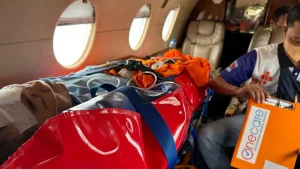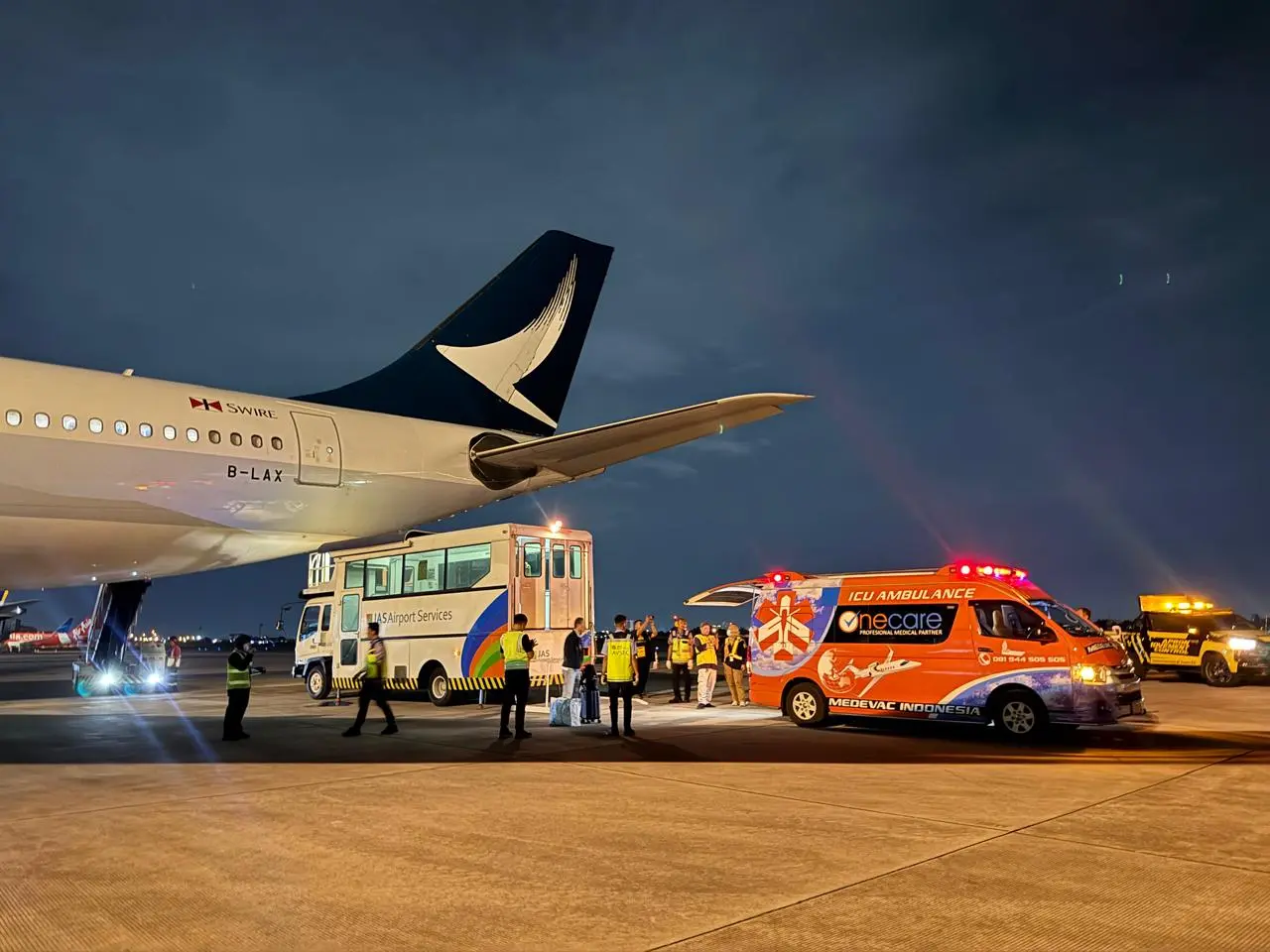
Falling ill or getting injured far from home is stressful anywhere, but across an archipelago of thousands of islands it can become far more complicated. Travel medical assistance Indonesia services exist to close that gap, giving visitors a single team to call when care, transport, and communication all need to happen quickly. This guide explains how that support works behind the scenes and what you should confirm before your trip begins.
Travel Medical Assistance Indonesia Explained
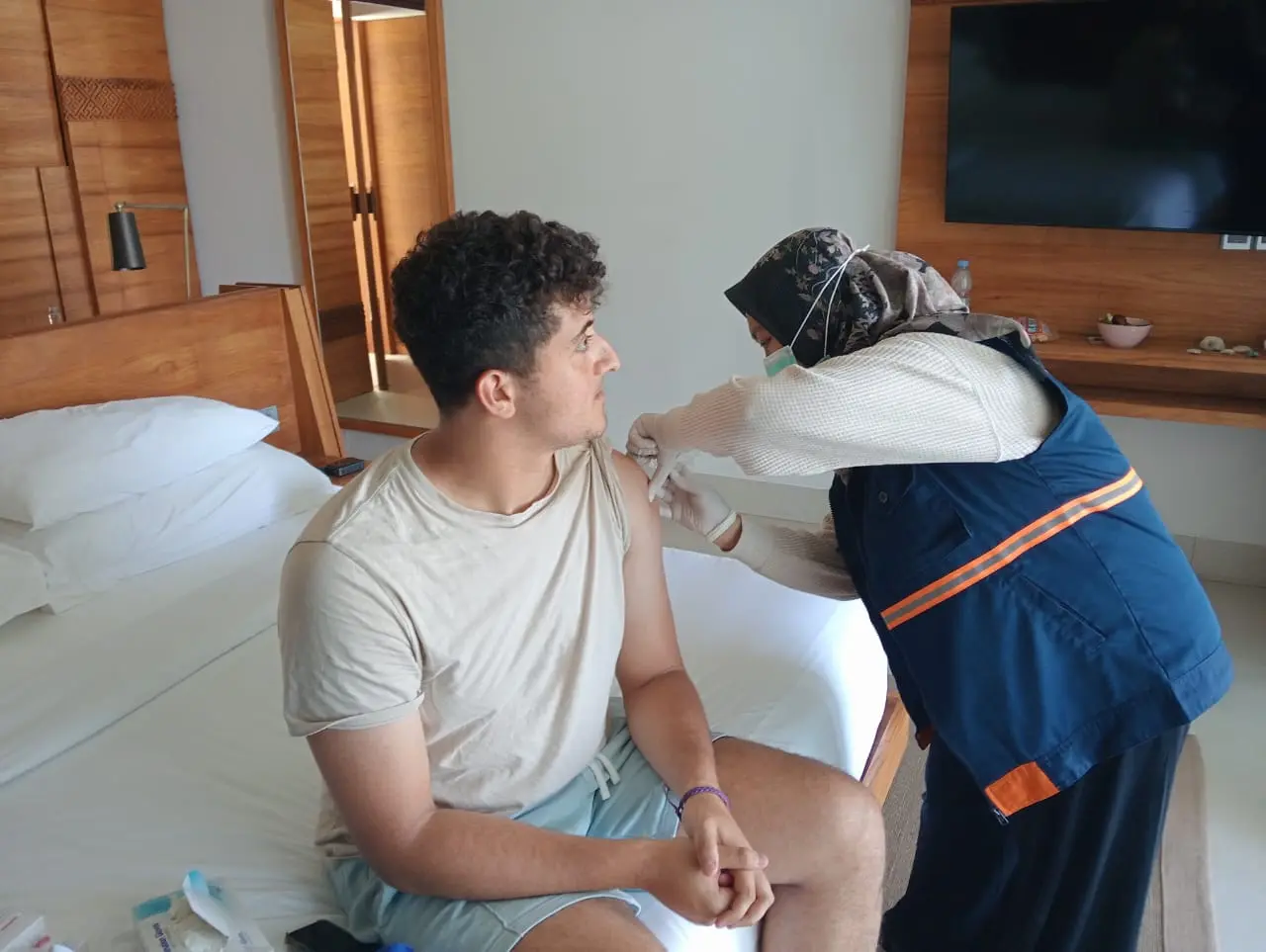
When a traveler calls for help, the first goal is to understand the situation and match it with what is realistically available nearby. How well this step is done shapes every decision that comes after it.
Reviewing the Traveler’s Condition
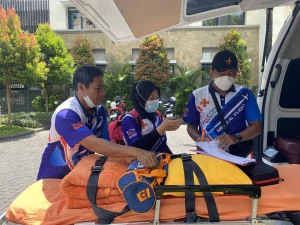
An assistance team starts by collecting symptoms, existing health conditions, current medication, and any treatment already received. From this picture, doctors decide how urgent the case is and whether the person can be treated locally or needs to be moved.
Reaching Out to Local Responders
Nearby clinics, hospitals, and ambulance crews know which facilities have free beds and which roads or ports are open. Reaching them early confirms where the patient should go and how to get there with the least delay.
Preparing People and Equipment
A transfer only works when the right pieces arrive together. Teams typically organize:
- Monitoring and life-support equipment that suits the diagnosis
- A physician or nurse who can stay with the patient throughout
- Ground or air transport that fits the distance and terrain
- A fallback plan if weather or access conditions change
Providers that plan these steps in advance are the ones who turn an unfamiliar island into a manageable situation. For a deeper look at how the whole process is organized, see our guide on medical evacuation logistics in Indonesia.
How Air Transport Supports Patients
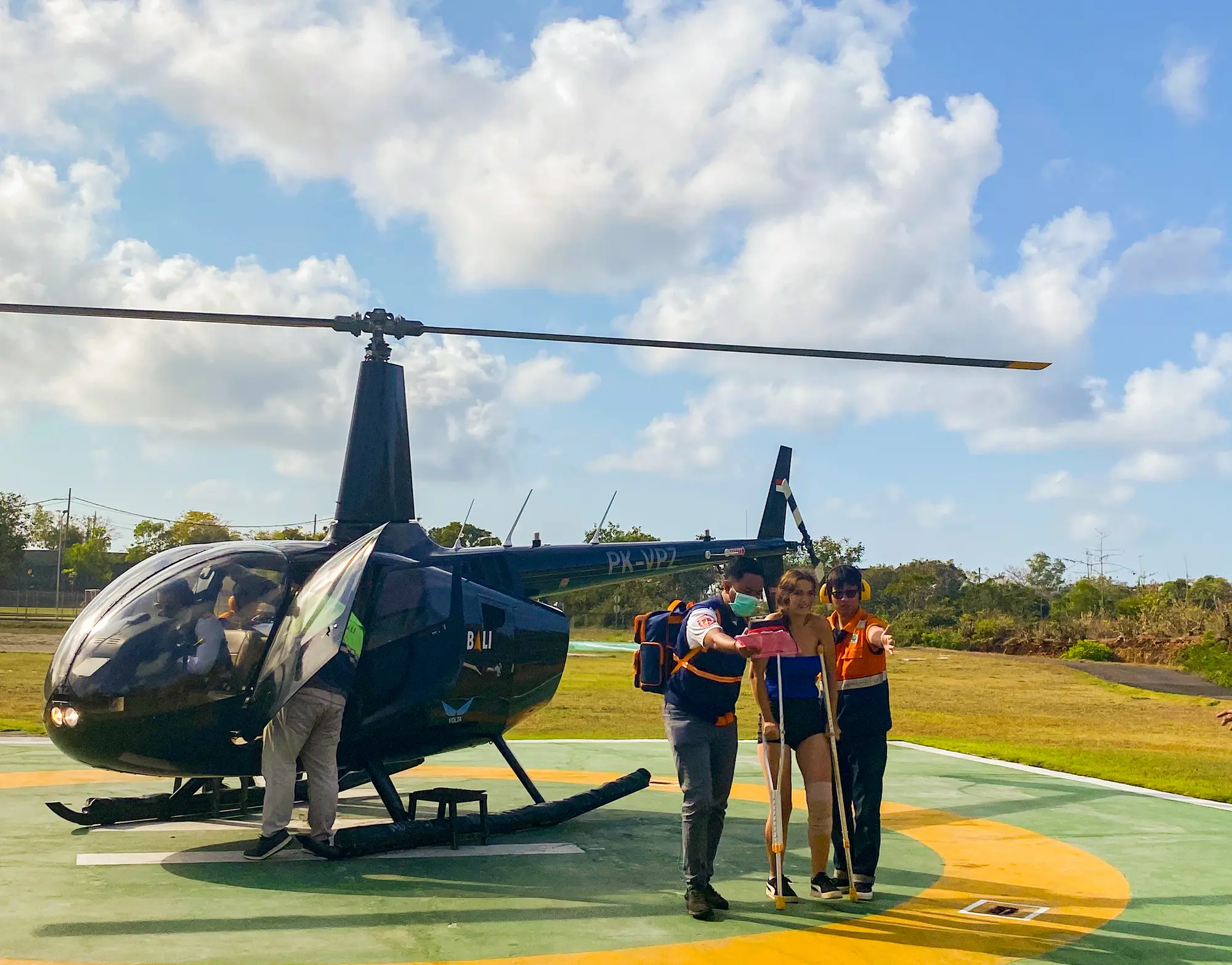
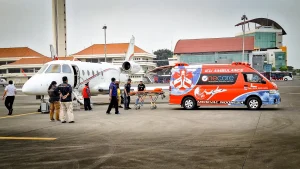
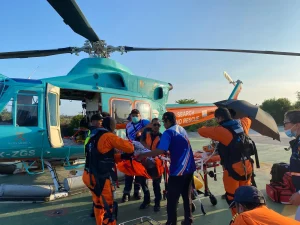
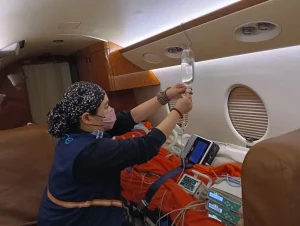
Where roads end or hospitals are hours away, an aircraft can be the quickest way to reach advanced care. A medically equipped plane or helicopter functions like a compact intensive care room, so every element has to be prepared at the same time.
Aircraft Ready to Depart
The aircraft must be available, serviceable, and cleared for the route when the request arrives. Operators account for runway length, refueling points, and flight approvals ahead of time to avoid losing minutes on the ground.
Crew Skills at Altitude
Caring for someone mid-flight is not the same as bedside nursing. Crews are trained to manage cabin pressure, tight space, vibration, and sudden changes in a patient’s condition.
Staying Connected in Flight
Constant contact between the crew, the ground team, and the receiving hospital keeps arrival times accurate and lets the destination prepare specialists and equipment before the patient lands.
Why Teamwork Speeds Up Every Case
Several organizations usually share responsibility in a single case, including hospitals, transport operators, and insurers. Delays tend to appear in the spaces between them, so strong providers focus on:
- A shared line of communication: everyone knows who reports to whom, and how often.
- Defined roles: each party understands its task at every stage of the transfer.
- Routine drills: reviewing past cases highlights weak points before the next emergency does.
Checking Your Coverage Before You Travel
Many visitors only discover the limits of their insurance once they are already in a hospital bed. Before departure, confirm that your policy includes emergency transport and repatriation, and that the plan offers around-the-clock contact in your language. Choosing a provider that offers travel medical assistance Indonesia wide, rather than only in major cities, makes a real difference when something goes wrong in a remote area. Keep your policy number and the assistance hotline saved on your phone so they are reachable without searching.
Coordinated Care From Start to Arrival
Moving a patient is only one part of the job. Real medical evacuation means coordinating every stage of the journey so the person receives the right treatment from the first assessment until they arrive at the destination facility. That coordination is what separates dependable travel medical assistance Indonesia providers from those that simply arrange a vehicle.
To discuss your options or ask about coverage, reach One Care Bali directly:
- Speak with our team: call +62 812-6050-5505 at any hour for guidance.
- Meet us in person: drop by our office at Jl. Sedap Malam No.110A, Kesiman, Kec. Denpasar Tim., Kota Denpasar, Bali 80237.
A little research before you leave, and a clear idea of who to call, can turn a frightening moment into one that is handled calmly and with confidence.