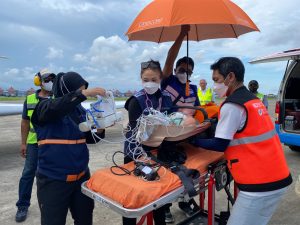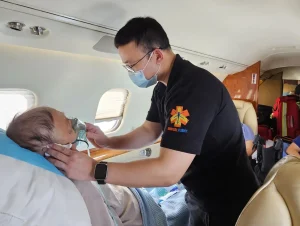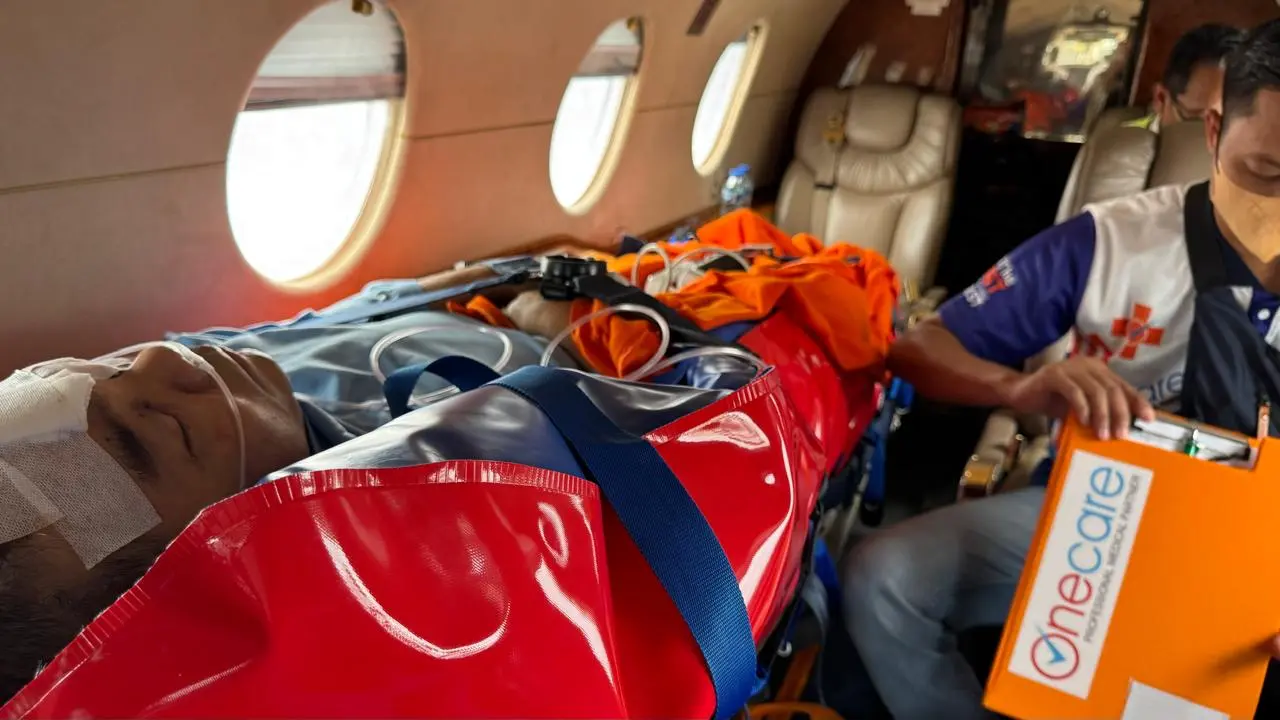
When a patient must be moved by air, every decision before, during, and after the flight affects the outcome. Patient transfer safety protocols Indonesia air ambulance teams follow are built around one goal: the patient’s condition should never be left to chance between the bedside and the receiving facility. This article walks through how those protocols work in practice and what insurers, travel insurers, and assistance companies should expect from a reliable provider.
Patient Transfer Safety Protocols Indonesia
A safe transfer is a chain of connected steps. If one link is weak, the rest of the chain carries the risk. The core of the process can be broken into four stages.
Pre-Flight Clinical Readiness
Before the aircraft is even assigned, the medical team reviews the patient’s diagnosis, current vital signs, medications, and recent test results. The question is not only “can this patient fly?” but “what could change at altitude, and are we ready for it?” Oxygen needs, pain control, airway stability, and fluid balance are all confirmed before departure.
Crew Roles and Handover Discipline
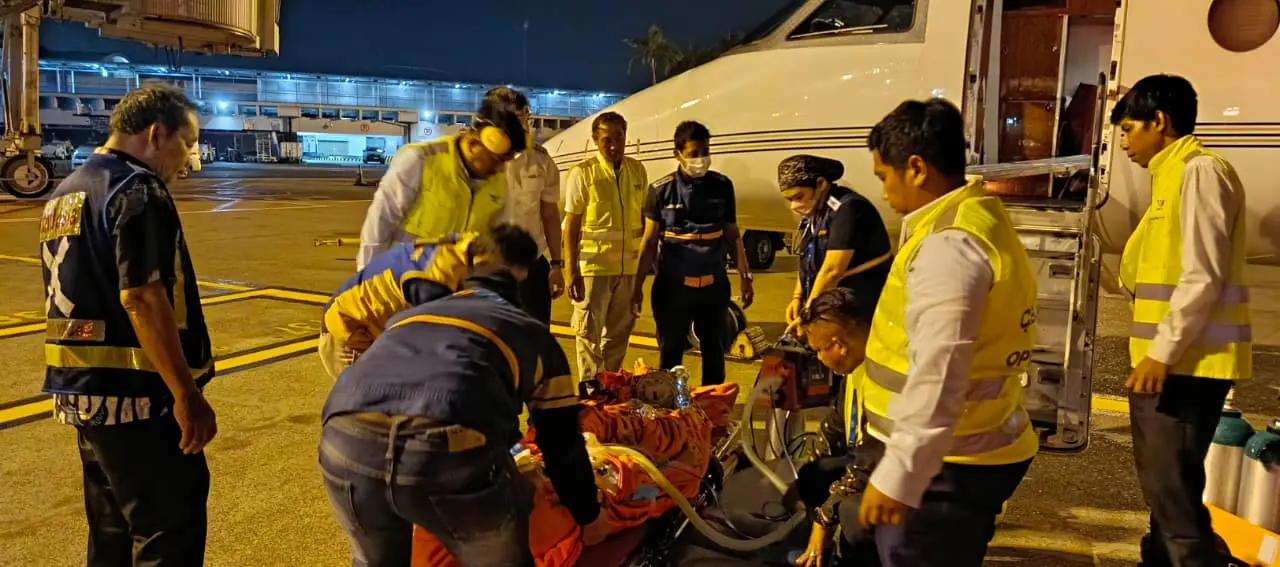
Each person on board has a defined role, from the lead medical professional to the pilot and ground coordinator. Clear role assignment avoids confusion when conditions change quickly. A structured briefing before takeoff makes sure everyone shares the same picture of the patient’s status and the plan if something goes wrong.
In-Flight Monitoring and Escalation
Patients are monitored continuously, not at intervals. Heart rate, oxygen saturation, blood pressure, and other relevant readings are tracked against pre-set thresholds, so the team can intervene early. To see how these practices fit into the wider care model, read about the air ambulance patient care standards that guide bedside decisions during transport.
Arrival Handoff to the Receiving Team
The transfer is not finished at landing. A verbal and written handoff gives the receiving doctors the full picture: what happened during the flight, which treatments were given, and what changed along the way. This step prevents gaps in care at the most vulnerable moment of the journey.
Managing Risk From Takeoff to Landing
Air transport introduces risks that ground ambulances rarely face, such as cabin pressure changes, limited space, and vibration. Good providers plan for these conditions in advance rather than reacting to them.
Equipment and Aircraft Checks
Medical devices are tested and their batteries and oxygen supply verified before every mission, with backup capacity planned for the full duration plus delays. The aircraft itself follows its own maintenance and inspection schedule, so the medical team can focus on the patient. For a closer look at how a mission moves from request to destination, see how air ambulance in Indonesia works.
Contingency Planning
Teams prepare for the situations they hope never happen: a sudden drop in oxygen levels, a diversion due to weather, or a delay at an airport. Alternate landing options and nearby hospitals are identified before departure, so decisions can be made in minutes instead of being improvised.
Ground Coordination
Ambulances, hospital staff, and airport services must be aligned on timing at both ends. Confirmed pickup and drop-off points reduce waiting time and keep the patient’s care continuous from door to door.
Why Transparency Matters to Insurers
Insurers, travel insurance providers, and assistance companies are often the ones arranging and funding the transfer. They need confidence that the provider will manage risk properly and report clearly. Understanding patient transfer safety protocols Indonesia providers apply helps these partners evaluate a service before an emergency happens. Useful questions to ask include:
- Who assesses the patient’s fitness to fly, and what information do they review?
- What monitoring is available in flight, and how are changes escalated?
- How are backup equipment and alternate destinations planned?
- What reporting is shared after the mission is completed?
- How is communication handled between the medical team, the family, and the assistance company?
Providers who answer these questions openly give partners the information they need to make informed decisions for their clients.
Evacuation Is More Than Moving a Patient
Medical evacuation is not simply the act of moving a patient from one place to another. It is the coordination of medical judgment, aviation logistics, and communication so that the patient receives the right care at every stage until reaching the destination facility. Strong patient transfer safety protocols Indonesia providers follow make that coordination consistent from one mission to the next, and that consistency is what clients and families ultimately rely on.
If you need support planning a transfer or want to discuss a case, reach One Care Bali through the following:
- Call us: +62 812-6050-5505 to speak with the team about an evacuation or transfer request.
- Visit our office: Jl. Sedap Malam No.110A, Kesiman, Kec. Denpasar Tim., Kota Denpasar, Bali 80237
A well-prepared transfer gives patients the best chance of arriving safely and gives their families peace of mind during a stressful time. When every step is planned in advance, the journey becomes one coordinated effort focused on the person in care.