Getting a seriously ill or injured patient to the right hospital in time is difficult anywhere, and even more so across thousands of islands. This guide breaks down the medical evacuation logistics Indonesia providers handle every day, from choosing the right transport to coordinating every party involved in the transfer.
Medical Evacuation Logistics Indonesia Basics
A medical evacuation is far more than a vehicle ride. Each case combines clinical judgment, transport decisions, and administrative coordination, and all three must move in step for the patient to arrive safely.
Choosing Ground or Air Transport
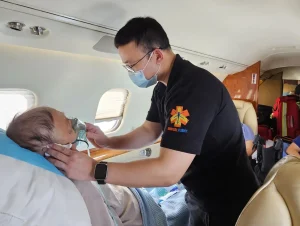
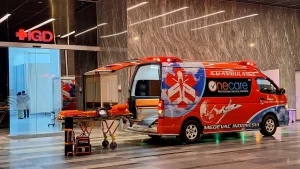
The mode of transport follows the patient’s needs, not convenience. A stable patient moving between nearby facilities is usually best served by a ground ambulance. When the distance is long, the terrain is difficult, or time is critical, an air ambulance, either a helicopter or a fixed-wing aircraft, may be the safer option. Medical condition, weather, airport or landing access, and the capabilities of the receiving hospital all weigh on the decision. You can see how these options are delivered in practice through medical evacuation services in Indonesia.
Coordinating the Patient Handover
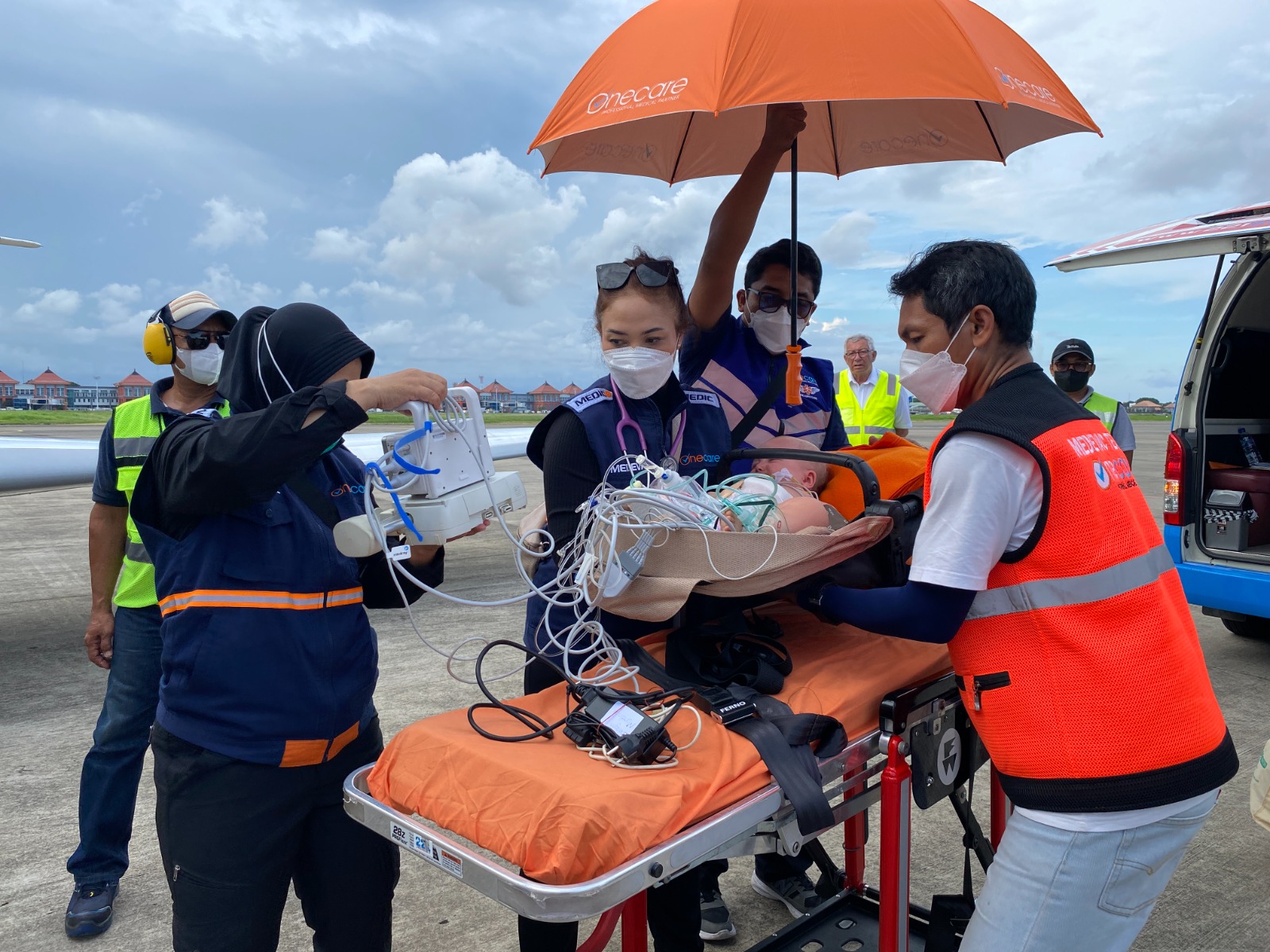
A transfer involves more than the sending and receiving doctors. Hospitals, family members, insurers, and sometimes government bodies all need accurate, timely information. When these parties are aligned early, the patient spends less time waiting and the handover at the destination is smoother.
Preparing Crew, Equipment, and Paperwork
Before departure, the team confirms who will accompany the patient, which monitoring and life-support equipment is needed, and whether medications and oxygen are sufficient for the whole journey. Medical records, consent forms, and any permits for air or cross-border movement also need to be ready so nothing stalls at the last minute.
Building a Solid Evacuation Plan
Emergencies leave little room for improvisation, so the best operations prepare long before a call comes in. A good plan turns a stressful event into a repeatable process.
Mapping Hospitals and Providers
Knowing which facilities can handle trauma, cardiac, neurological, or obstetric emergencies makes it easier to pick the right destination quickly. The same applies to transport partners: standing agreements with ambulance and aircraft operators save valuable time when a case is urgent.
Setting Clear Roles and Protocols
Everyone involved should know who makes the call on transport, who contacts the receiving hospital, and who handles documentation and payment guarantees. Written step-by-step guidance helps teams stay consistent under pressure, and it is worth reviewing the medical evacuation procedures in Indonesia when building or updating yours.
Running Drills Before It Counts
Simulated scenarios expose gaps that look fine on paper, such as an unreachable contact or a missing form. Regular practice keeps teams fast, calm, and familiar with their responsibilities.
Obstacles That Slow Evacuations Down
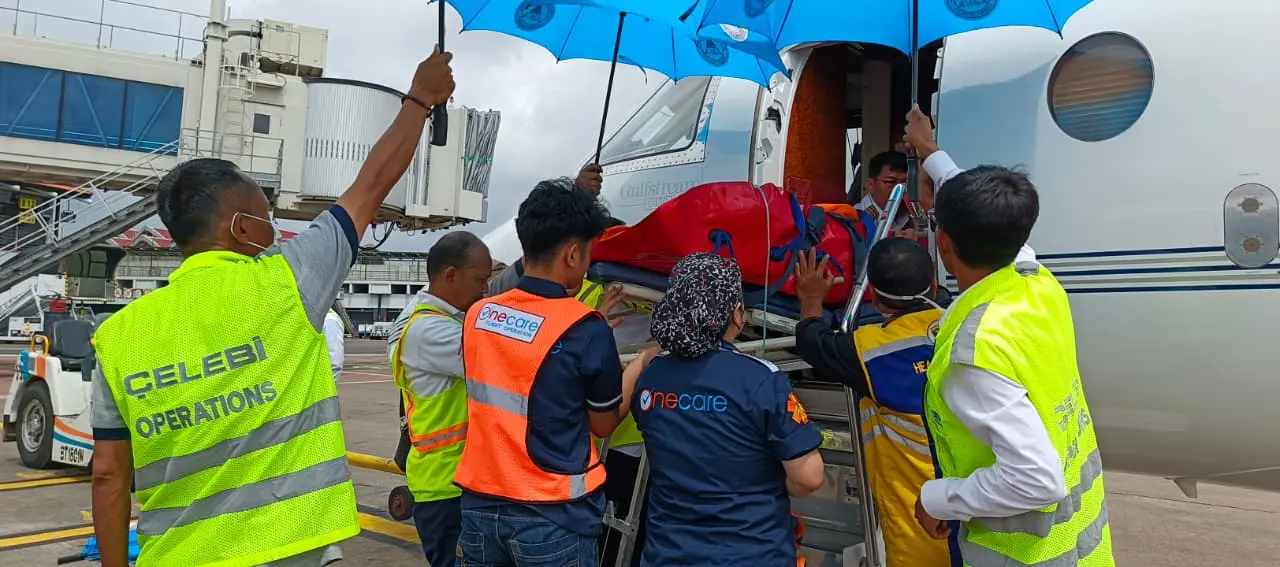
Even well-run medical evacuation logistics Indonesia operations face recurring obstacles. Anticipating them is the best way to reduce their impact.
- Island geography: Remote islands and limited airstrips or ports can lengthen transfer times and restrict the choice of vehicle.
- Permit and regulatory steps: Flight clearances and landing permissions take time, especially when a patient must cross regional or national boundaries.
- Unreliable communication: Weak signal in remote areas, or unclear updates between teams, can lead to missed details and delayed decisions.
- Weather and daylight limits: Storms, low visibility, and airfield operating hours can postpone or reroute a flight.
- Gaps in hospital readiness: A facility that is closest is not always equipped for the patient’s condition, which may require a longer journey to the right one.
Safe Transfers Start With Coordination
A medical evacuation is not simply about moving a patient from one place to another. It is about making sure every stage of the medical journey is coordinated so the patient receives the right care all the way until arriving at the destination facility. That is the real purpose of strong medical evacuation logistics Indonesia families, employers, and insurers can depend on.
If you need guidance or want to discuss an evacuation case, reach out to One Care Bali:
- Call us: Speak with our team directly at +62 812-6050-5505.
- Visit us: Come to One Care Bali at Jl. Sedap Malam No.110A, Kesiman, Kec. Denpasar Tim., Kota Denpasar, Bali 80237 (view on Google Maps).
Preparation, clear communication, and the right partners make the difference between a chaotic transfer and a controlled one. When each step is planned and each party knows its role, patients are far better placed to receive timely, appropriate care.