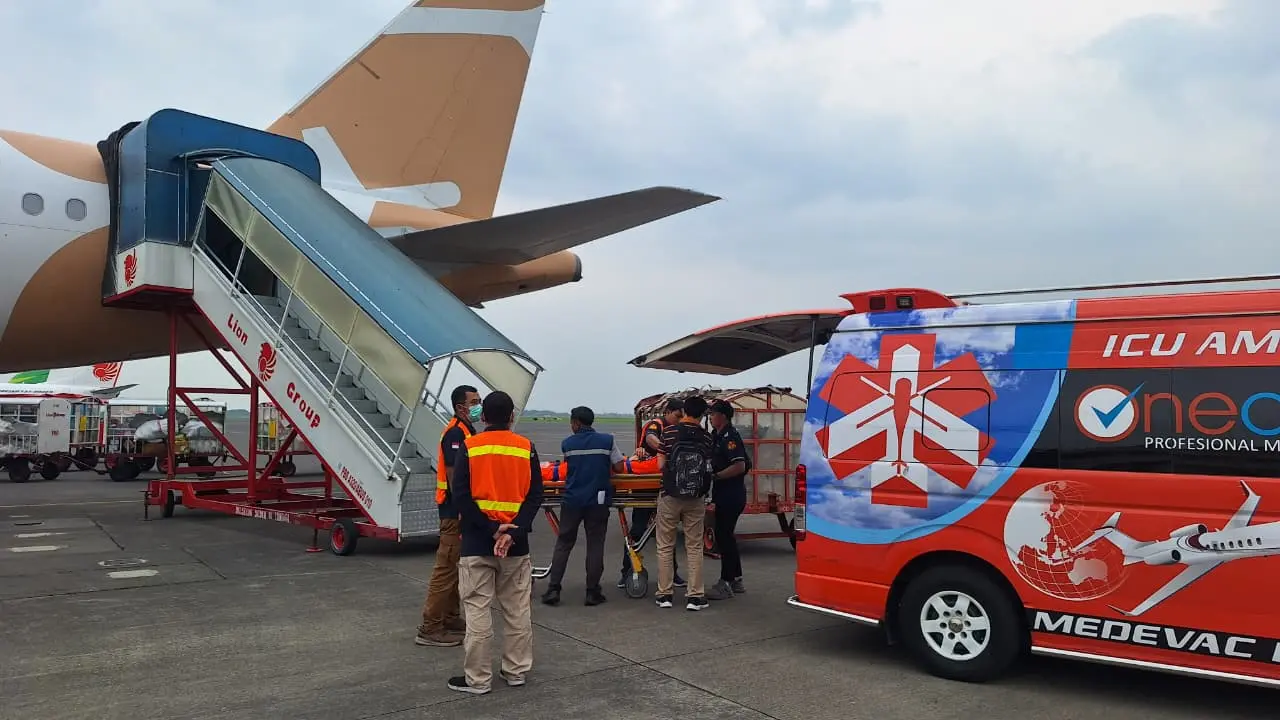
When an emergency happens far from advanced medical care, what happens in the first few hours often determines the outcome. Medical evacuation procedures Indonesia are built around exactly that window: moving a patient from where they are to where they can get proper treatment, as safely and quickly as the situation allows. This guide walks through what that process typically looks like step by step, the protocols that keep it consistent, and how patient safety is protected from the first phone call to the final handover at the receiving hospital.
Medical Evacuation Procedures Indonesia
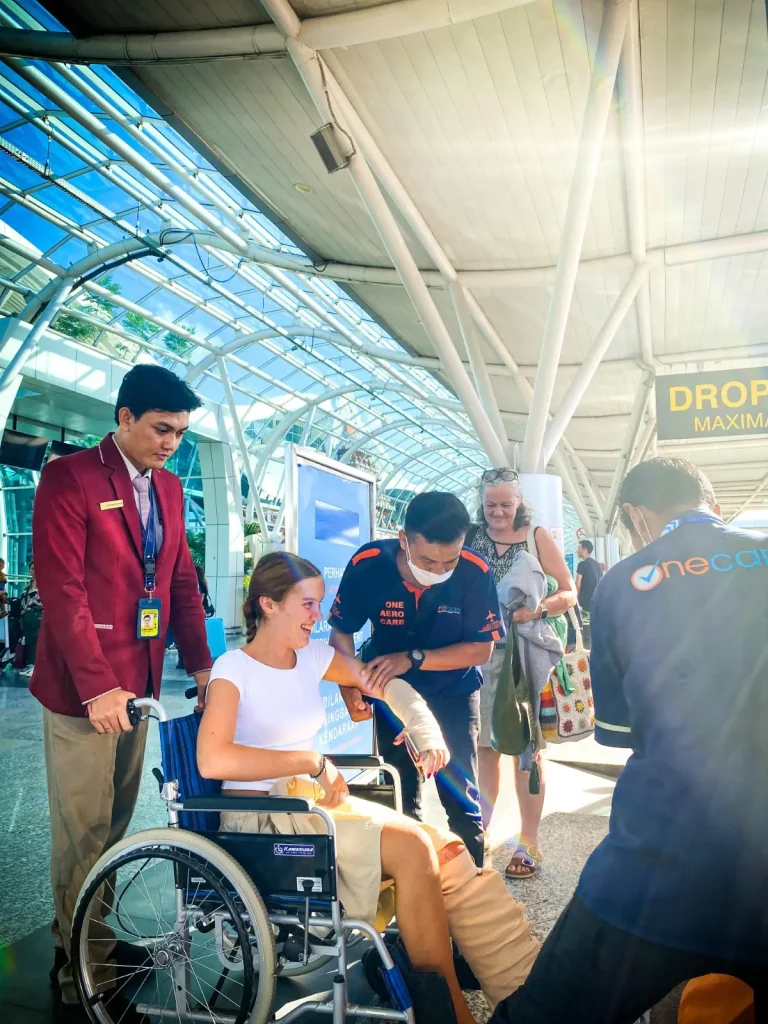
From First Call to Departure
Every case starts with an assessment. Local medical professionals evaluate whether a patient can be treated on-site or needs transfer to a facility with more advanced capabilities. Once that decision is made, several things typically happen in close sequence:
- Emergency services are contacted and begin coordinating with hospitals and transport providers
- A medical assessment is completed, with documentation prepared for the receiving facility
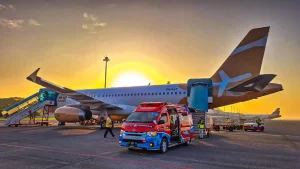
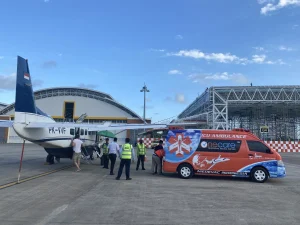
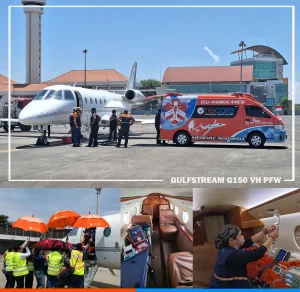
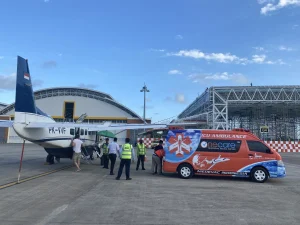
- Transport is confirmed, whether that means an aircraft, a ground ambulance, or in some cases a vessel
- The patient is stabilized and any required medical equipment is readied before departure
None of these steps happen in isolation. They run in parallel wherever possible, since every hour saved can matter for the patient’s outcome.
During and After Transport
Once the patient is moved to the transport vehicle, a medical team typically travels with them, monitoring vital signs and adjusting care as needed throughout the journey. This continuous oversight is what separates a basic transfer from a properly managed evacuation. On arrival, the patient is handed over to the receiving hospital with a full medical briefing, so the new care team isn’t starting from scratch. This handover step is easy to overlook, but gaps here can undo much of the careful coordination that came before it.
What Keeps the Process Consistent
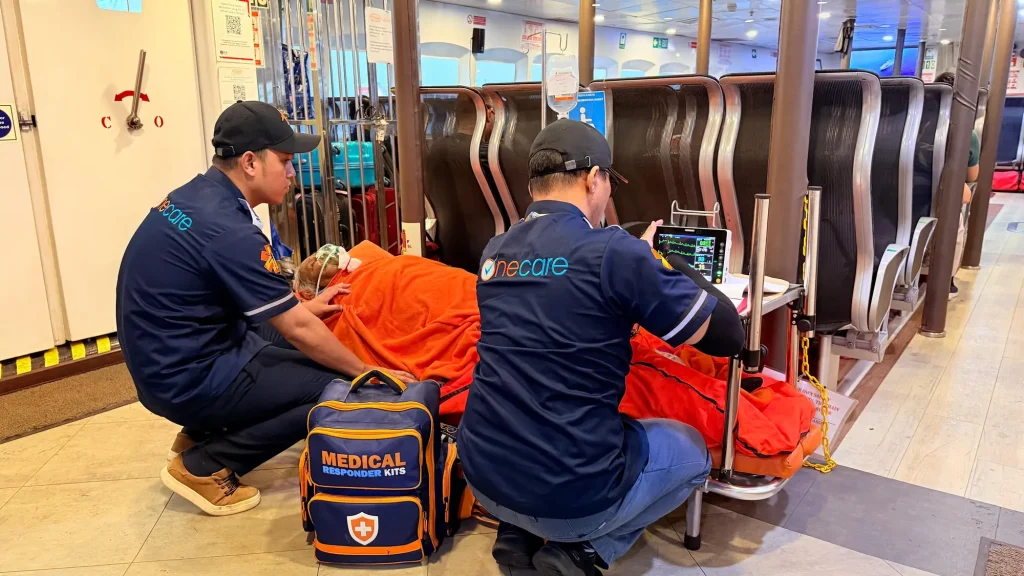
A good process depends on more than good intentions. A few things tend to hold it together:
- Clear documentation, including medical reports, insurance details, and evacuation authorization
- Consistent communication between the local medical team, transport crew, and receiving hospital
- Ongoing training so evacuation teams can handle situations that don’t come up often
These elements are what keep medical evacuation procedures Indonesia consistent, whether a case starts on a busy street in Jakarta or a remote dive site off a smaller island.
Keeping Patients Safe in Transit
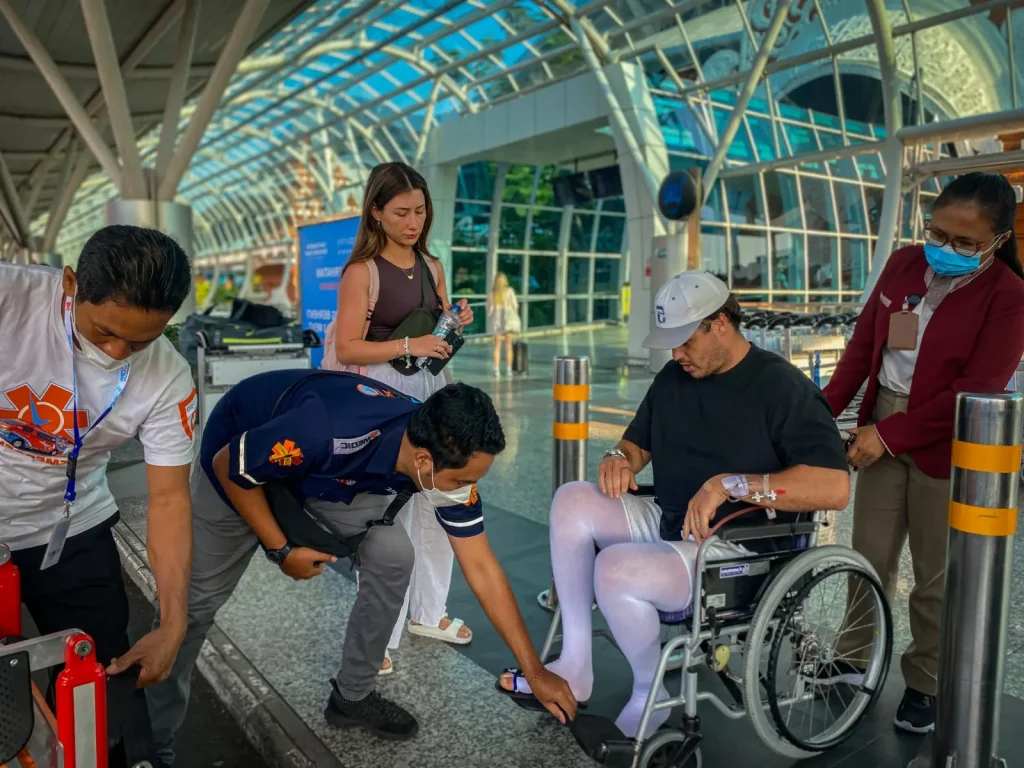
Safety during transport isn’t an afterthought bolted onto the process. It’s built into each stage:
- A risk assessment is carried out before departure to anticipate complications
- The patient is secured using equipment appropriate to their condition and the mode of transport
- Vital signs are monitored continuously throughout the journey, not just checked periodically
- Transport equipment itself is regularly maintained and checked for reliability
Together, these measures reduce the chances of a routine transfer turning into a more complicated situation.
Why Location Changes the Details
The core process stays largely the same everywhere, but the practical details shift depending on where a case begins. In Jakarta, cases often involve corporate clients and expatriates whose coverage and reporting lines run through an employer or insurer. Medical evacuation coordination for expats in Jakarta looks at how that plays out in practice.
In Bali, geography adds another layer. Reaching smaller islands or dive sites sometimes calls for a different combination of transport. The range of evacuation options available in Bali covers how that’s typically handled.
What to Do Before You Need This
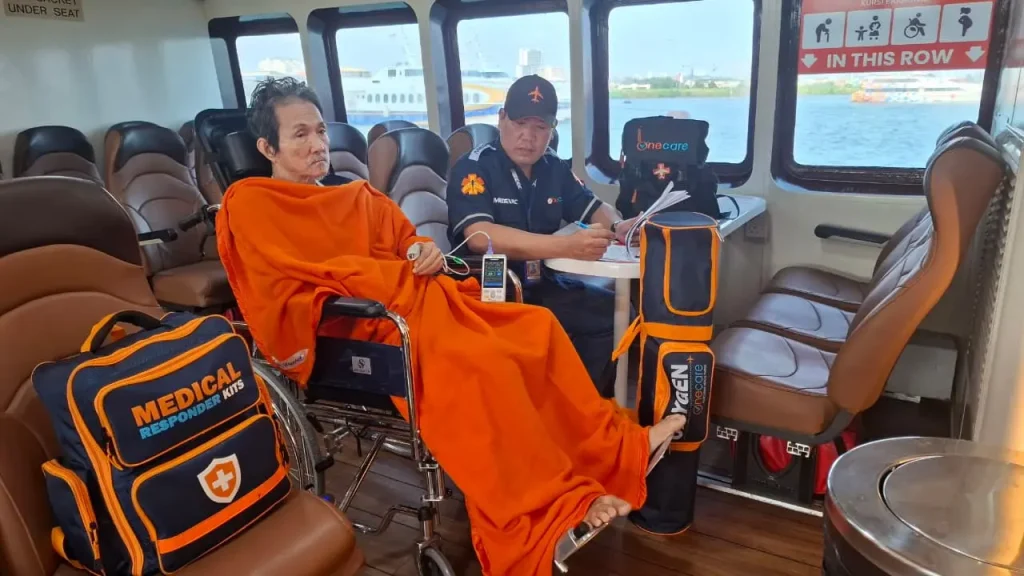
Reading through what medical evacuation procedures Indonesia uses is a useful starting point, but knowing who to call before an emergency happens is what actually makes a difference when one does.
Onecare Partner coordinates medical evacuation for both domestic and international cases, with particular experience in emergencies arising from remote or offshore locations. Every case is managed through a 24/7 emergency call center, drawing on land ambulances, sea water transfer, and commercial medical escort depending on what the situation calls for.
- Reach out to our 24 hours call center, to talk through your situation
- See the full range of our Indonesia medical evacuation services
A well-run evacuation rarely looks dramatic from the outside. It looks like a series of calls made on time, a team that knows its role, and a patient who reaches the right hospital without unnecessary delay. That’s the standard worth building toward, long before it’s ever needed.