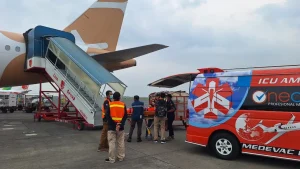
When someone is seriously hurt or ill on the island, emergency air transport Bali services can move them to a better-equipped hospital far faster than a road ambulance or a commercial flight. For visitors and residents alike, knowing how this option works before a crisis hits makes every minute count when decisions have to be made quickly.
Bali has excellent clinics in its main tourist areas, but specialist care for major trauma, cardiac events, or high-risk pregnancies is concentrated in a handful of facilities. Many cases end up needing a transfer to Java, Singapore, or Australia, which is exactly where a dedicated medical flight becomes essential. This guide covers when to call, who to trust, and how to prepare.
Emergency Air Transport Bali: Key Facts
A medical flight is not a routine ride; it is an intensive-care environment in the air. Understanding the situations that trigger a transfer, and the limits of local resources, helps families ask for help early rather than late.
Why Island Geography Matters
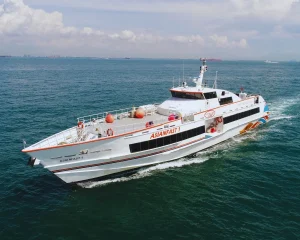
Bali sits far from the largest referral hospitals, and road or ferry transfers can lose hours that a critical patient does not have. Traffic around Denpasar and the airport corridor adds further delays, while sea crossings are unsuitable for unstable cases. Flying removes most of these obstacles and shortens the time to definitive treatment.
Providers differ in range, aircraft type, and the medical crew they deploy. Reading an Indonesia air ambulance services guide is a good way to see how a typical mission is organised, from the first call to the hospital handover.
Emergencies That Call for an Airlift
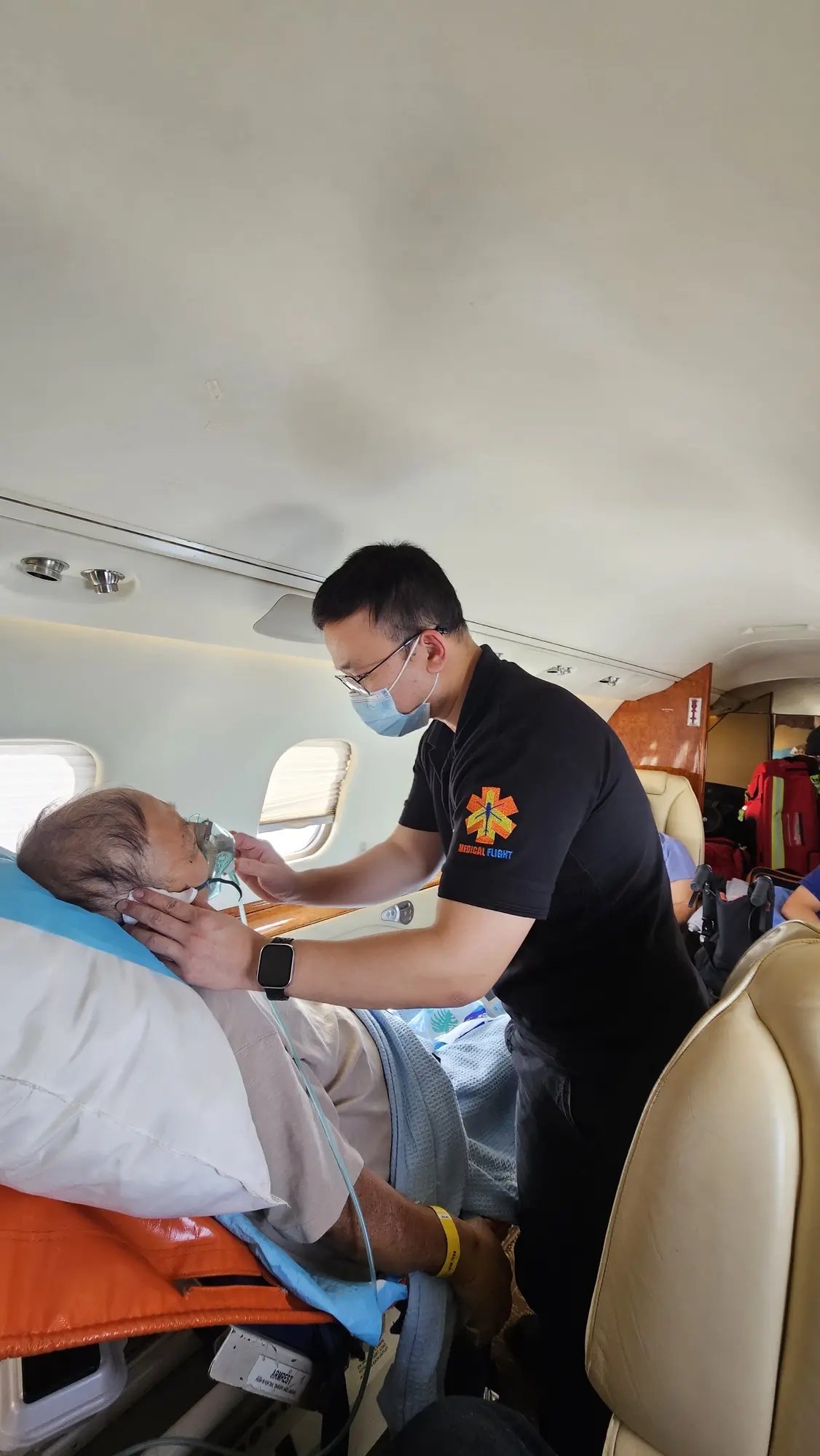
Doctors usually recommend flying a patient when the condition is life-threatening or when the local hospital cannot provide the next level of care. Typical examples include:
- Major trauma from road, scooter, or water accidents
- Heart attack, stroke, or other time-critical conditions
- Severe breathing problems or serious allergic reactions
- High-risk pregnancy or premature labour
- Serious illness that needs an ICU or specialist unit
The final decision rests with the treating physician and the flight’s medical director, who weigh the patient’s stability, flight conditions, and the capabilities of the receiving hospital.
How to Pick a Medical Flight Provider
When panic sets in, it is tempting to accept the first quote that arrives. A few quick checks, however, protect both the patient and the family’s finances, and most of them can be completed in a single phone call.
Licensing and Reputation
Ask for proof of operating licences, aviation permits, and the medical credentials behind the service. A reputable operator will share these without hesitation and can explain its track record on similar missions. Independent reviews and referrals from hospitals offer useful confirmation.
Onboard Team and Aircraft
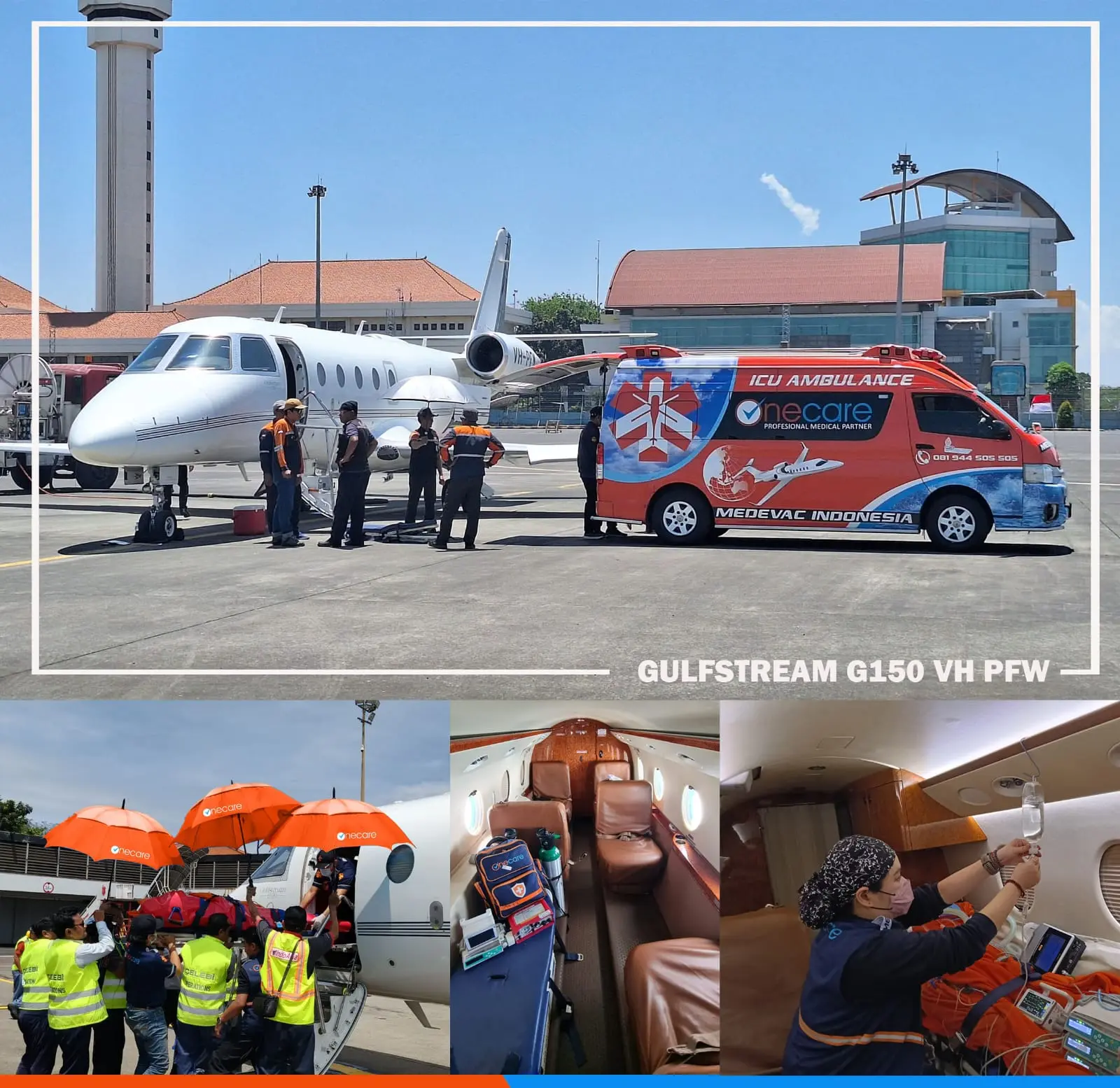
The crew should include a doctor and a flight nurse experienced in critical care, not only general practice. The aircraft needs ventilators, cardiac monitors, infusion pumps, and enough oxygen for the patient’s condition. Confirm that the plane can land at the destination airport and that ground ambulances are arranged at both ends.
Pricing and Transparency
Request a written quote that lists the flight, medical crew, ground transfers, and any waiting charges. Hidden extras are the most common source of disputes after a mission, and clear pricing also lets you check quickly with your insurer. For more comparison points on domestic missions, see our page on emergency air transport in Indonesia.
Insurance and Emergency Air Transport Bali
Medical flights can cost many thousands of dollars, so the way a policy handles evacuation matters. Review your coverage before you travel rather than during a crisis, and keep the insurer’s emergency number somewhere easy to reach.
- Check that the policy names air evacuation, not only ambulance or hospital costs.
- Confirm whether the insurer pays the provider directly or reimburses you later.
- Look for caps, exclusions for pre-existing conditions, and approval requirements.
- Save the 24-hour assistance line and your policy number on your phone.
Sharing these details with a family member or travel companion means someone can start the process if you are unable to do it yourself.
Coordinated Care from Start to Finish
Good emergency air transport Bali support is more than moving a patient from one bed to another. It means every step of the medical journey is coordinated, from the first assessment and flight clearance to ground ambulances and the final handover, so the patient receives the right treatment all the way until arriving at the destination facility.
If you need help, or simply want to talk through your options before travelling, the One Care team is ready to respond at any hour:
- Message us on WhatsApp: https://wa.me/6281260505505
- Visit One Care Bali at Jl. Sedap Malam No.110A, Kesiman, Kec. Denpasar Tim., Kota Denpasar, Bali 80237
- Write to our emergency desk at emergency@onecarepartner.com
A little preparation now, whether that means saving a hotline, checking your policy, or telling your companions what to do, can turn a frightening situation into a manageable one. Stay safe and enjoy your time on the island with confidence.