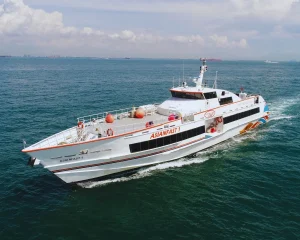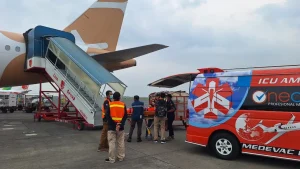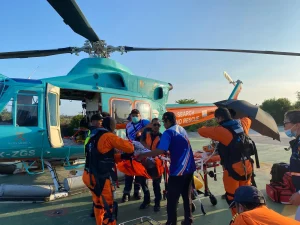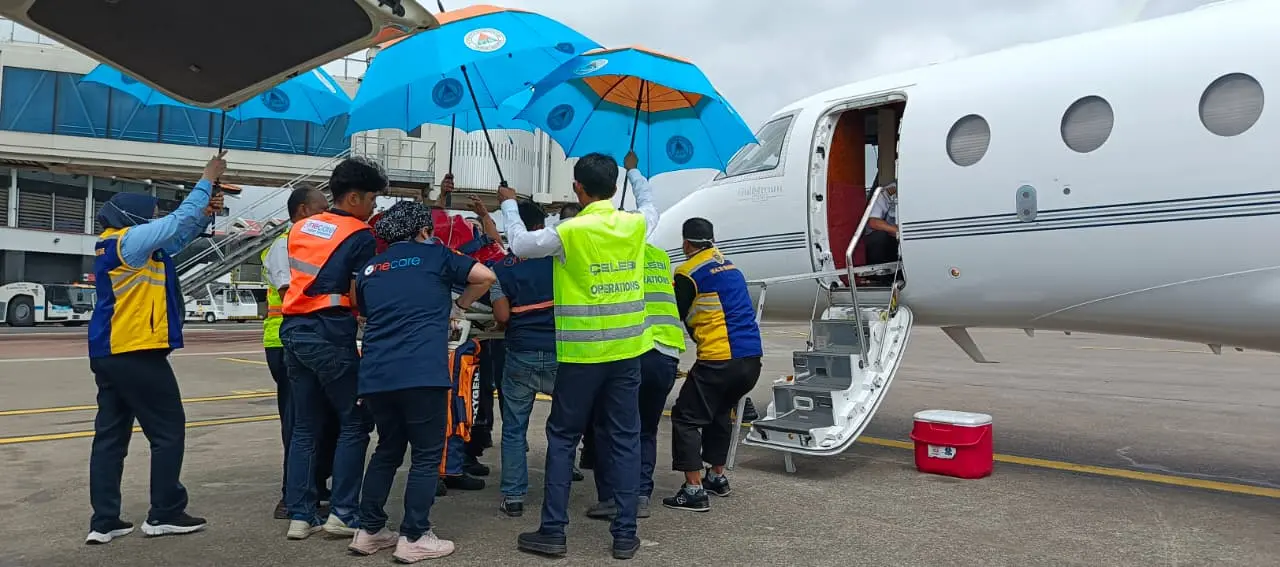
The medical evacuation Bali process starts the moment a health problem becomes too serious for a local clinic to handle. For travelers, knowing how that journey unfolds makes it easier to act quickly, stay calm, and get the right care without losing precious time in unfamiliar surroundings.
Medical Evacuation Bali Process Explained
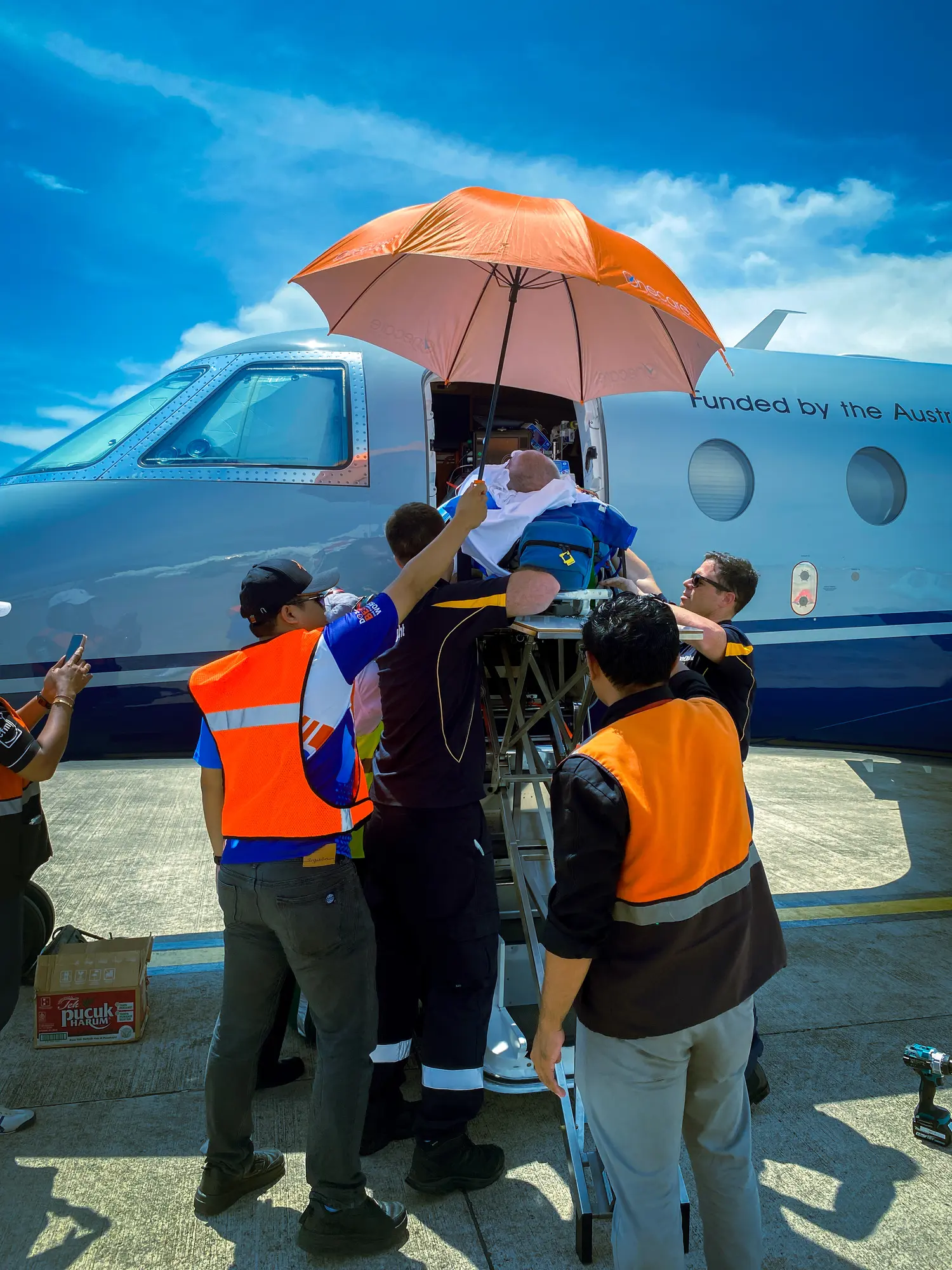
A medical evacuation is a structured sequence of decisions rather than a single phone call. Each stage, from the first assessment to the hospital handover, depends on accurate information and clear communication between everyone involved in the patient’s care.
Recognizing When Evacuation Is Needed
Evacuation is considered when the nearest facility cannot provide the treatment a patient requires, such as advanced intensive care, specialized surgery, or diagnostic equipment. A treating doctor usually makes this judgment after examining the patient and reviewing their current condition.
Who Coordinates the Transfer
Once the need is confirmed, a coordination team arranges the transport, the medical crew, and the receiving hospital. Travelers who want a broader view of available support can read about medical assistance for travelers in Indonesia, which covers the help accessible across the country.
Moving the Patient to the Right Hospital
The final stage is the transfer itself, carried out by ground ambulance, air ambulance, or a combination of both. A medical team monitors the patient throughout the trip, then passes records and updates to the receiving doctors so treatment continues without gaps.
Preparing Before You Travel
Preparation shortens response times when something goes wrong. A few simple checks before departure can spare you and your companions hours of confusion later, especially when an emergency happens far from home.
Know Your Nearest Facilities
Note which hospitals and clinics are closest to your accommodation, and what level of care each one can provide. Smaller clinics handle minor injuries well, but serious cases often need a larger hospital, which is useful to know before an emergency begins.
Keep Contacts and Documents Ready
Store emergency numbers, insurer details, a passport copy, and a short list of your medications on both your phone and on paper. Business travelers who move between destinations often may find medevac planning for corporate travelers helpful for building a more complete checklist.
Medical Evacuation Bali Process and Insurance
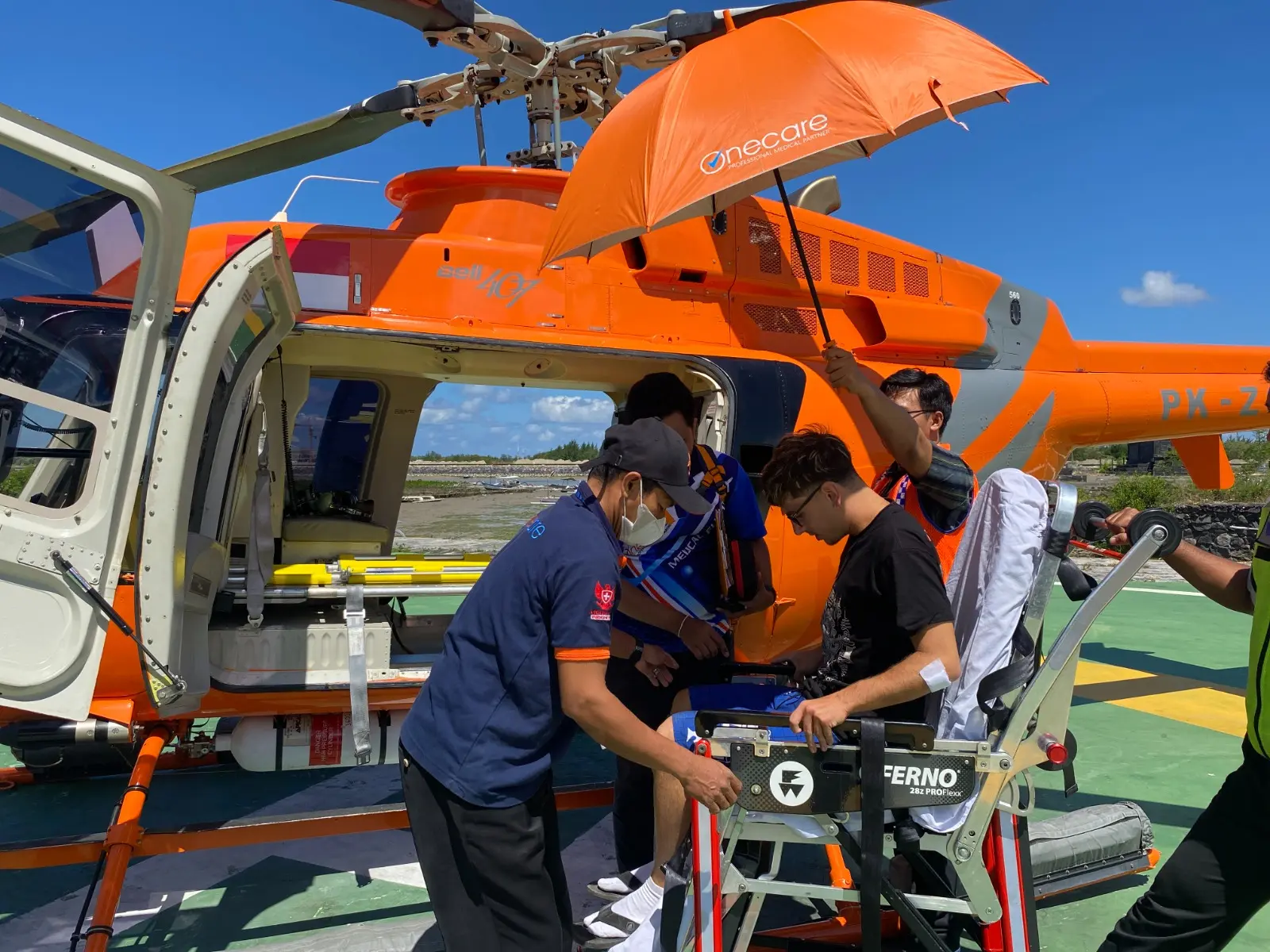
Insurance often decides how smoothly an evacuation proceeds, because the cost of air transport and specialist crews can be substantial. Reviewing your policy before you fly helps you avoid unpleasant surprises when a decision has to be made quickly.
Look for these points in your coverage:
- Whether air ambulance transport is included, and any cost limits that apply
- Coverage for repatriation back to your home country
- A 24/7 assistance line that you can reach from Bali
- Whether the insurer must approve the evacuation before it begins
Staying Calm in a Health Emergency
Panic makes it harder to share the details that responders need. Following a clear order of actions helps you stay focused and gives the medical team what they need to act fast.
- Check the patient: Observe whether the person is conscious, breathing, and able to respond.
- Call for help: Contact local emergency services or your accommodation’s front desk, who can direct you to the nearest hospital.
- Notify your insurer: Share the patient’s condition and location so assistance can begin early.
- Keep notes: Write down times, symptoms, and medications to hand over to the medical team.
Simple Safety Habits in Bali
Many health scares can be avoided with everyday precautions. Bali’s warm climate and busy roads create risks that are easy to manage once you know what to watch for.
- Drink enough water: Heat and humidity can cause dehydration faster than expected.
- Choose food carefully: Eat at clean, well-reviewed places to lower the risk of stomach illness.
- Pack a first aid kit: Bring basic supplies and any prescription medicines you rely on.
- Protect yourself outdoors: Use sunscreen, and wear a helmet if you ride a scooter.
Coordinated Care From Start to Finish
The medical evacuation Bali process is more than moving a patient from one place to another. It is about making sure every step of the medical journey is coordinated, so the patient receives the right treatment all the way until they arrive at the destination facility.
Reach the One Care team through any of these channels:
- Message us on WhatsApp: https://wa.me/6281260505505
- Visit our office: Jl. Sedap Malam No.110A, Kesiman, Kec. Denpasar Tim., Kota Denpasar, Bali 80237
- Send an email: emergency@onecarepartner.com
Preparing early, understanding each stage, and knowing who to call can make a stressful situation far more manageable. With a solid plan in place, you can explore the island with confidence, knowing that help is organized and within reach whenever you need it.