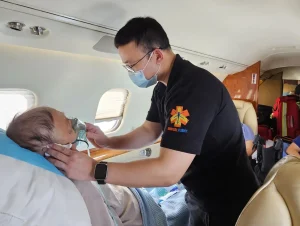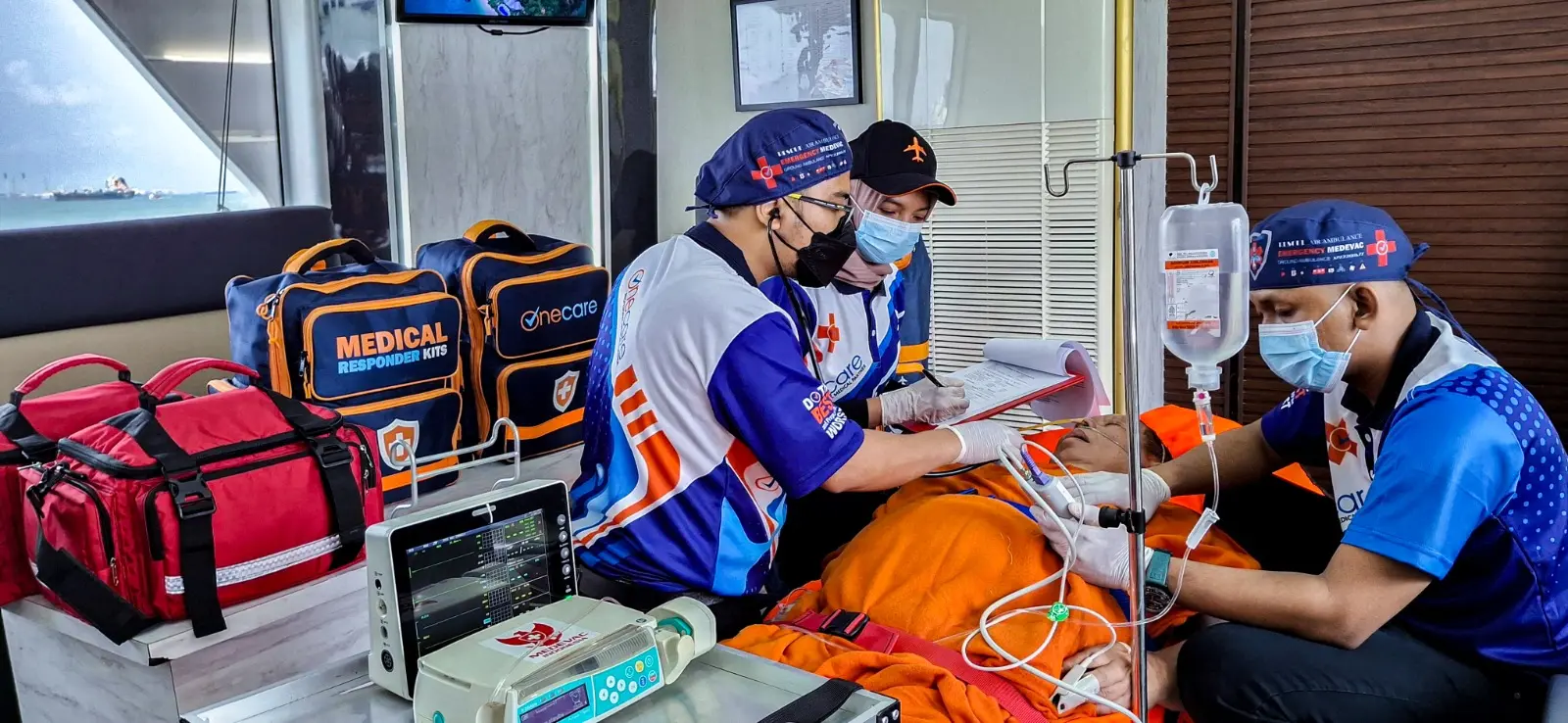
Traveling to Indonesia is exciting, but health emergencies can happen anywhere. It could be a stomach bug in Bali or a serious accident on a remote island. Knowing where to turn for Medical Assistance for Travelers in Indonesia can make the difference between a stressful ordeal and a smoothly handled situation. This guide walks through what to expect and how emergencies are typically managed. It also covers what steps to take before you leave home, so you are not figuring things out for the first time in a difficult moment.
Understanding Medical Assistance for Travelers in Indonesia
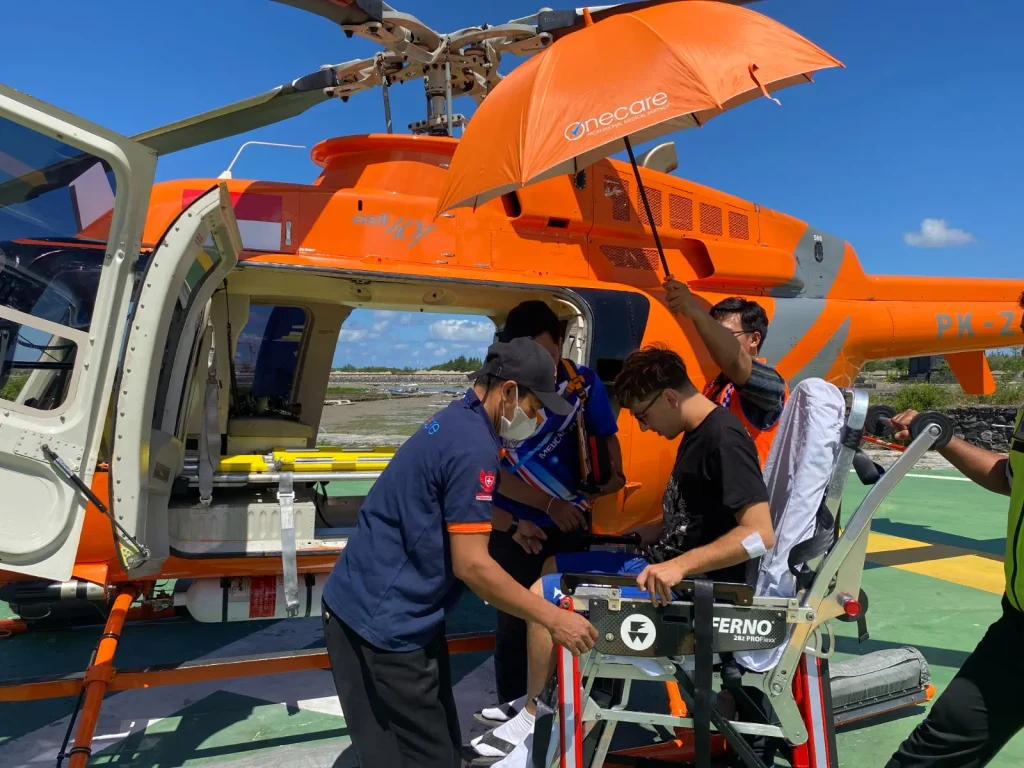
Medical Assistance for Travelers in Indonesia is often assumed to mean nothing more than finding the nearest hospital. In practice, it covers a much wider range of support, including:
- Access to local clinics for common illnesses and minor injuries
- 24/7 medical support through dedicated hotlines
- Coordination with hospitals when a condition needs specialist care
- Medical evacuation between islands or regions, for cases where local infrastructure isn’t enough
Most travelers only think about this kind of support once something goes wrong. A better approach is to understand what is available before you need it. So then you already know who to call, what your policy covers, and how long help might take to arrive.
Emergency Medical Assistance Basics
When something goes wrong during a trip, the first hour often matters most. Emergency medical assistance typically follows a clear sequence:
- A phone call to a local clinic, travel insurance hotline, or assistance provider listed on your policy
- A coordinator assessing your condition and location
- Direction to the right facility based on that assessment
- Ongoing check-ins from the coordinator until the situation is resolved
Before an emergency occurs, understanding how air ambulance Indonesia work helps travelers and organizations make faster, better-informed decisions under pressure. This kind of preparation removes a layer of confusion at exactly the moment you can least afford it. Even a short conversation with your insurer before the trip can clarify what steps to expect.
Travel Clinics and Preparation
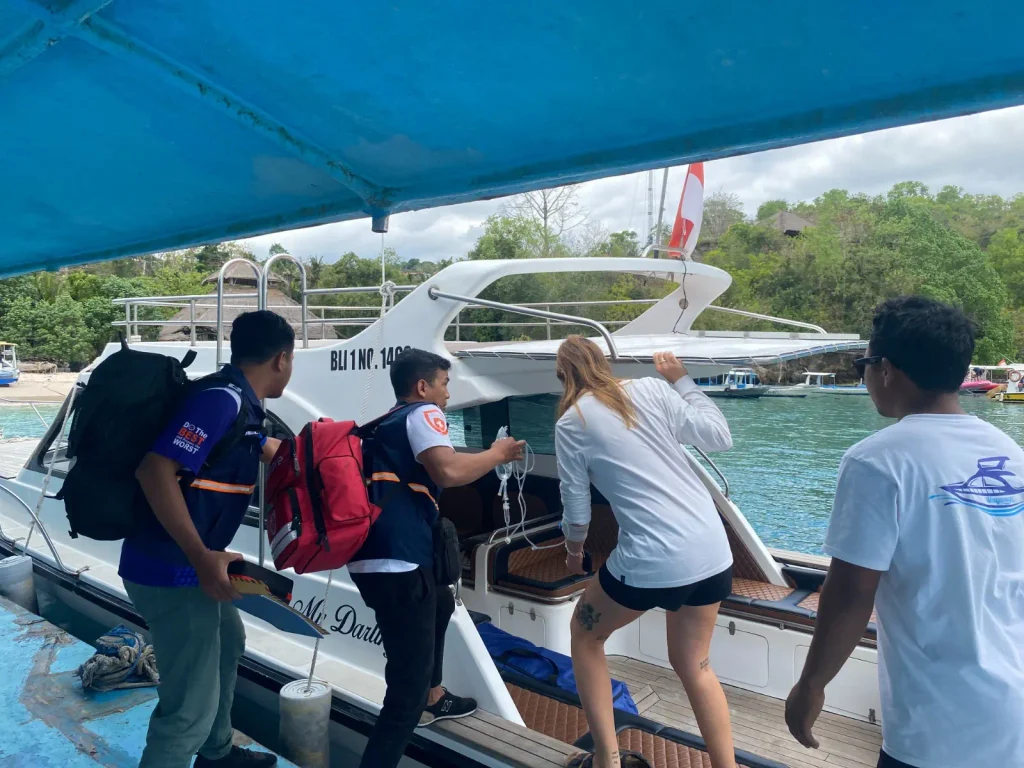
Good preparation starts well before you board the plane. A visit to a travel clinic at home can flag vaccinations or preventive medication worth having on hand, depending on where in Indonesia you’re headed and how remote your itinerary is. It’s also worth packing a basic first-aid kit, bringing enough of any prescription medication for the full trip, and carrying copies of prescriptions in case a local pharmacy or clinic needs to verify them.
Once you land, it helps to know where the nearest reliable clinic is to wherever you’re staying, rather than searching for one after symptoms already appear. Many minor issues, stomach upsets, cuts, mild fevers, can be handled at a local clinic without escalating further. Saving a few key numbers before you go, a local clinic, your embassy, and your assistance provider’s hotline, means you’re not scrambling to find them during an actual emergency.
Insurance and Medical Evacuation Options
Travel health insurance is one of the most important things to sort out before departure. A good policy should clearly answer a few key questions:
- What happens if you need treatment abroad?
- Whether costs tied to medical evacuation are covered?
- What conditions trigger a transfer to a better equipped facility?
- Whether coverage extends to remote islands outside the main tourist areas?
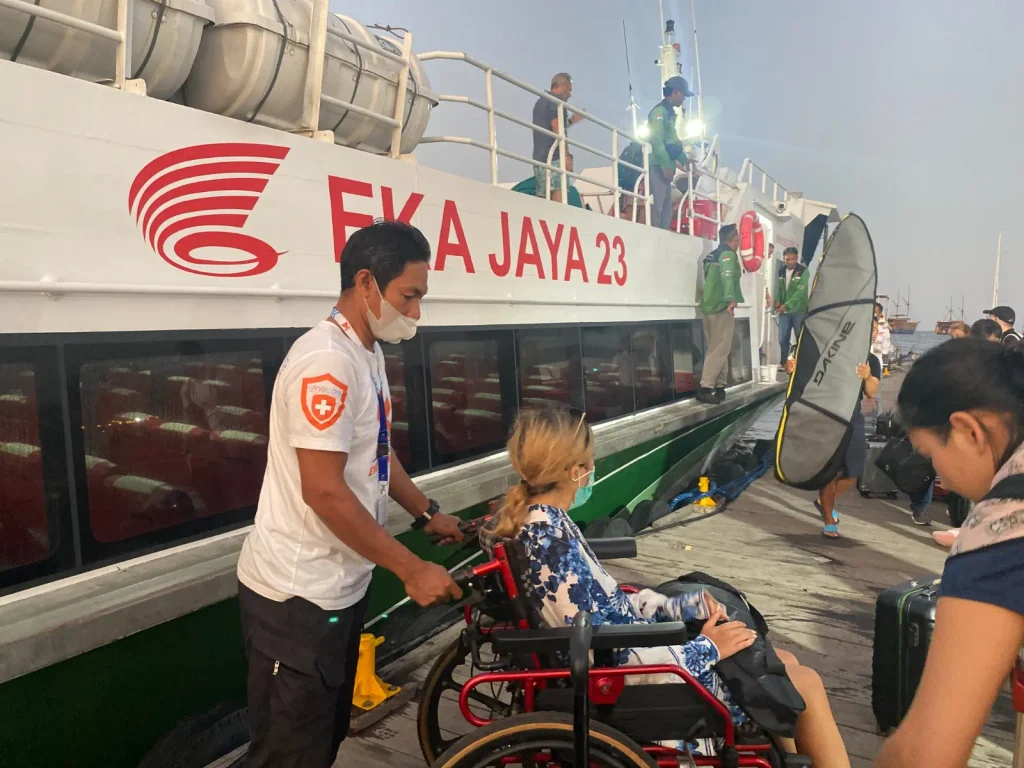
Not every case needs evacuation, but knowing the threshold helps you understand your coverage rather than guessing during a stressful moment. When health emergencies strike abroad, partnering with professional Indonesia medical evacuation services ensures coordinated, expert-led responses across land, air, and sea. This matters most in remote areas, where reaching a proper hospital can take longer than expected and sometimes involves more than one mode of transport.
Reading your travel health insurance policy closely before you fly only takes a few minutes, and it can save real time if a medical evacuation ever becomes necessary.
Choosing a Reliable Medical Assistance for Travelers in Indonesia
Not all providers offer the same level of support, so it helps to know what separates a reliable partner from a basic one. Look for 24 hour availability, coverage across multiple cities, and experience coordinating with hospitals and insurers. Weigh these before you decide who to trust.
Onecare Partner has supported travelers, expatriates, and organizations across Indonesia for more than 20 years, with coordination available around the clock in 12 cities. This kind of experience often shows in how smoothly a case is handled once it begins, from the first phone call through to hospital handover.
Choosing the right Medical Assistance for Travelers in Indonesia does not need to wait until you are already in trouble. Ready to build a reliable emergency response framework for your travelers or employees? Get in touch with our team and start the conversation now.