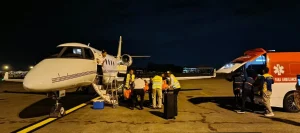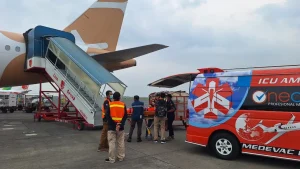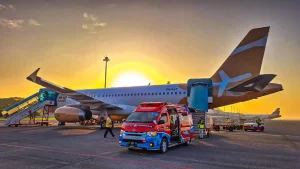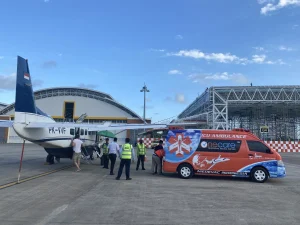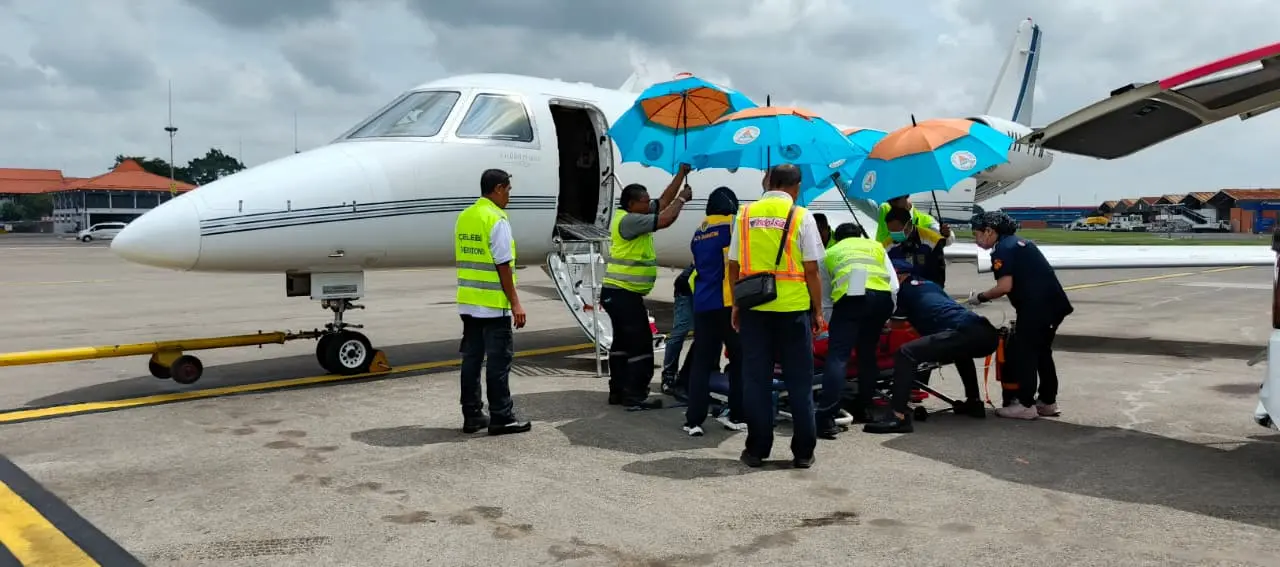
When a patient’s condition is life-threatening and the nearest suitable hospital sits hundreds of kilometers or several islands away, critical care air transport Indonesia services can close that gap. These flights carry the equipment and the people needed to keep a high-risk patient stable while the aircraft does the moving. This article explains who needs this level of transport, how care continues in the air, and how families, insurers, and assistance companies can prepare before an emergency begins.
Critical Care Air Transport Indonesia Explained
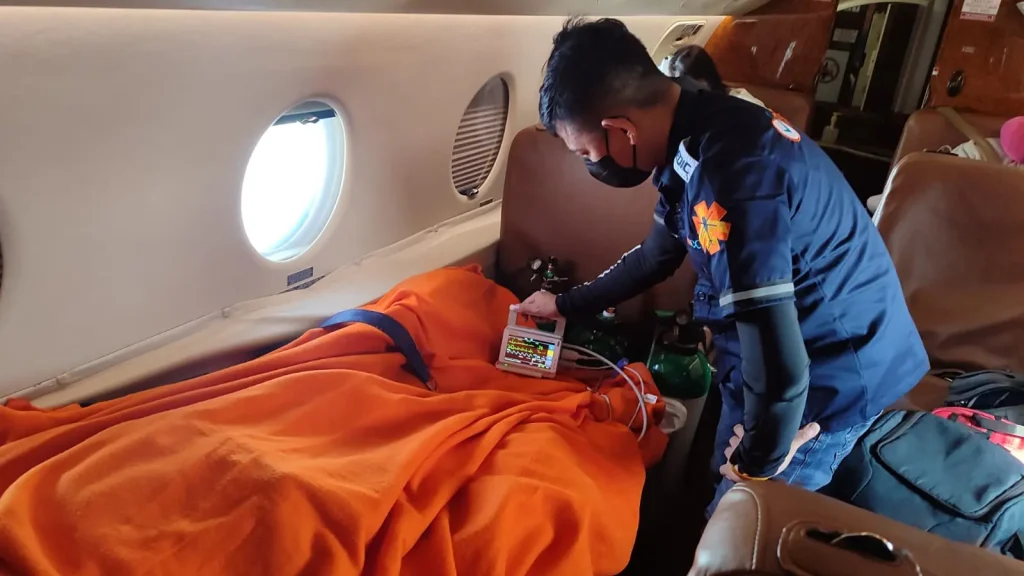
Critical care transport is not a faster ambulance ride. It is intensive medical care that happens to travel by air.
Who Needs Critical Care Transport
This service is designed for patients whose conditions could worsen without constant monitoring. Typical situations include:
- Life-threatening illness or injury that needs a specialist facility
- Patients who need continuous monitoring or advanced life support during the journey
- Rural or remote locations where local hospitals cannot treat serious conditions
- Cases where ground transport would take too long or cannot reach the patient at all
In each of these cases, time and stability matter equally.
Care Delivered in the Air
A medical team trained for complex cases travels with the patient. They watch vital signs, adjust treatment as the situation changes, and keep the patient stable until the handover at the receiving hospital. Monitoring and life-support equipment forms part of the setup, though the exact configuration depends on the patient’s condition and the operator.
Planning Each Flight
No two flights look the same. The team plans around weather, the flight route, and the patient’s medical needs. They also coordinate with the receiving hospital ahead of time, so staff there are ready the moment the patient arrives.
Why Geography Raises the Stakes
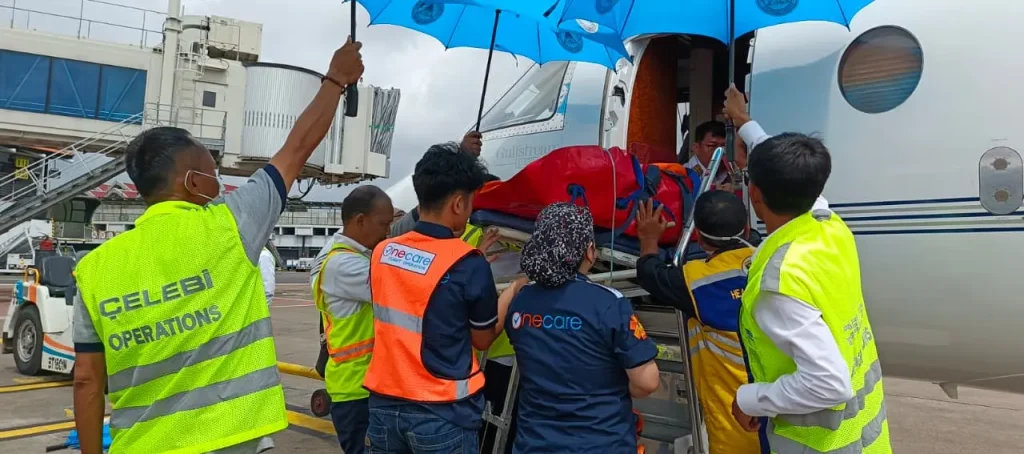
Indonesia spreads across thousands of islands, and many communities sit far from a hospital that can treat serious conditions. A road journey that would take an hour elsewhere can take a full day here, or may not exist at all. Air transport shortens that distance and brings advanced medical support to patients who would otherwise wait for hours.
Safety Measures Behind Every Flight
Because critical care air transport Indonesia involves some of the most fragile patients, safety checks run through every stage of the operation. Reputable providers typically focus on:
- Rigorous crew training for both flight and medical staff
- Regular aircraft maintenance and inspection
- Compliance with aviation regulations
- Careful flight planning that accounts for weather and routes
- Direct coordination with the hospital that will receive the patient
These habits reduce risk before the aircraft ever leaves the ground.
Who Arranges and Pays for the Transfer

Specialized medical flights carry a significant cost, which worries many families. Insurers often pay for them, though the terms differ widely between policies. Assistance companies also play a central role. They organize logistics, keep families informed, and make sure each arrangement is in place before departure. To see how the insurance side works in detail, read about how air ambulance coverage works in Indonesia.
Questions to Ask Before You Need a Provider
Preparing in advance makes decisions easier under pressure. Useful questions for any provider include:
- What level of medical team travels with the patient?
- How does the provider coordinate with the receiving hospital?
- Which locations can the service reach, and how does it handle remote areas?
- Who handles authorization and billing with the insurer?
For a wider look at comparing options and understanding what influences cost, see choosing between air ambulance providers in Indonesia.
Ready Before the Emergency Happens
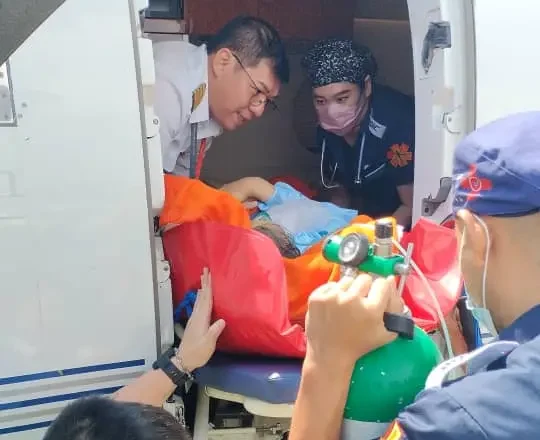
Knowing how critical care air transport Indonesia works is helpful, but having a capable partner lined up beforehand is what turns knowledge into action.
Onecare Partner keeps medical teams and evacuation equipment in position across 12 cities, which lets it run several cases at the same time. That same footprint supports disaster response and mass casualty evacuations when a situation calls for it.
- Speak with the Onecare Partner coordination team about your requirements
- Explore the details of our air ambulance service in Indonesia
- Prefer to talk in person? Find Onecare Partner on Google Maps at Jl. Otista 3 No.41, RT.2/RW.1, Cipinang Cempedak, Jatinegara, Jakarta Timur, Jakarta
An emergency leaves little room for research. A few questions answered today, and a number saved in your phone, can save precious hours when they matter most.