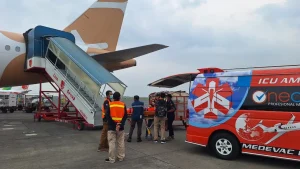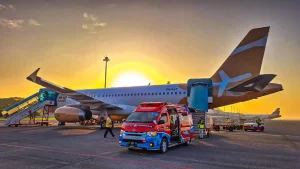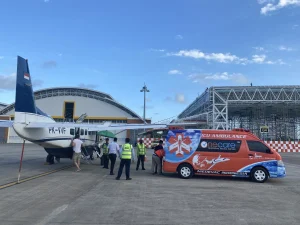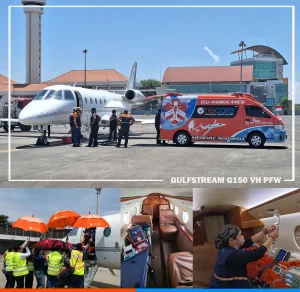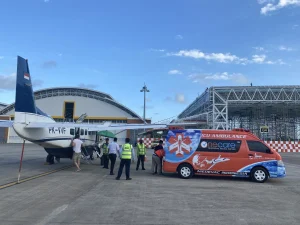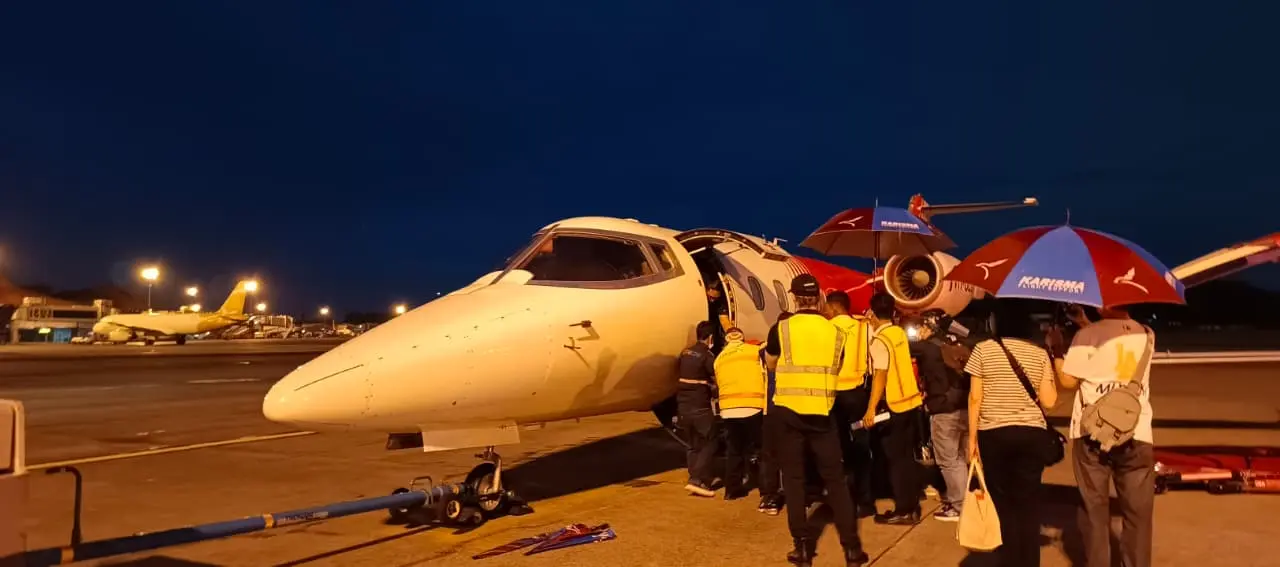
When you’re responsible for a patient’s safety during a medical evacuation, air ambulance safety standards Bali aren’t just paperwork. They shape how fast a case moves, how well a patient is monitored in the air, and whether the right people are on board when something goes wrong. This matters more as Bali sees growing numbers of tourists, expatriates, and remote-site workers who may need transport at short notice. If you’re still weighing which kind of service fits your situation, an overview of medevac service types across the island is a useful place to start before diving into the standards themselves.
Air Ambulance Safety Standards Bali
What the Standards Cover
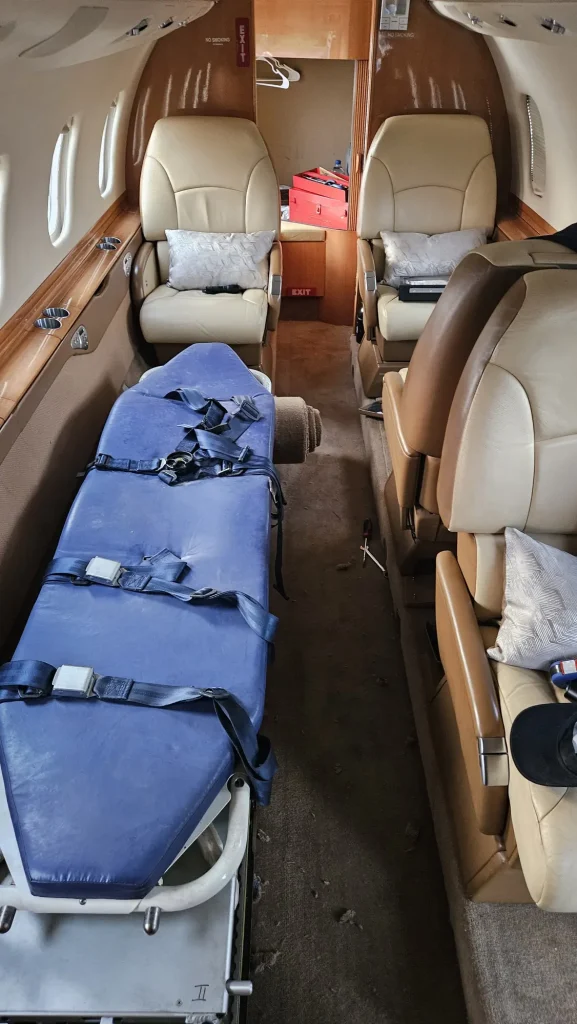
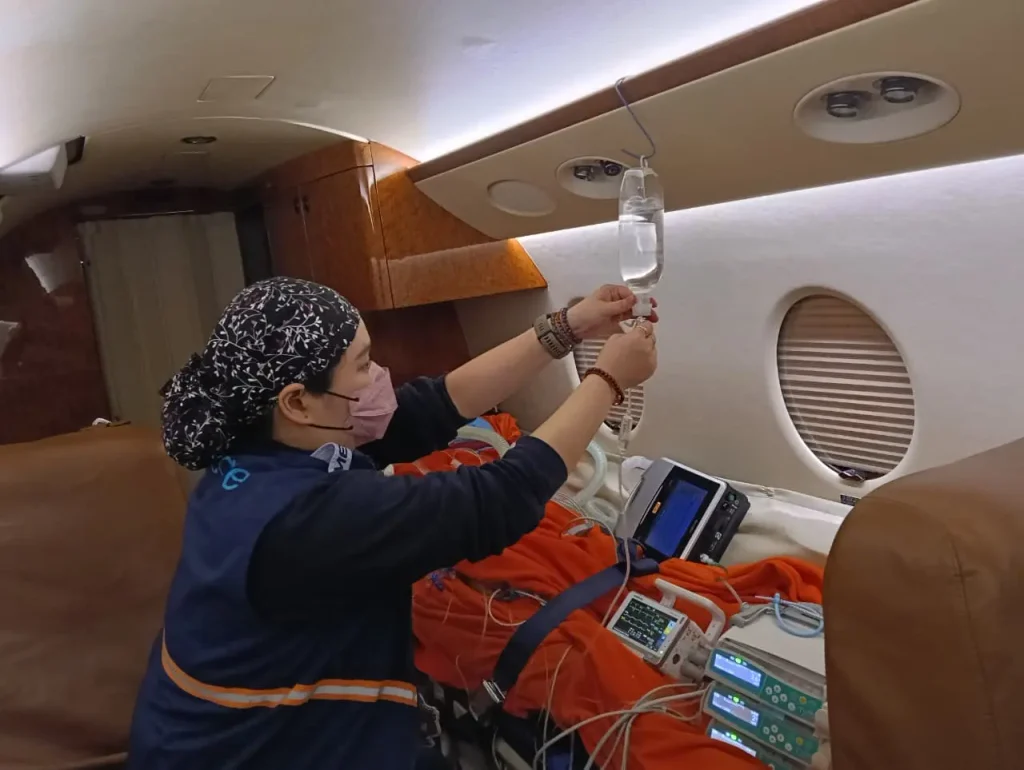
Safety standards for air ambulance operations typically fall into three broad categories: aircraft readiness, crew qualifications, and response protocols. In practice, this usually means:
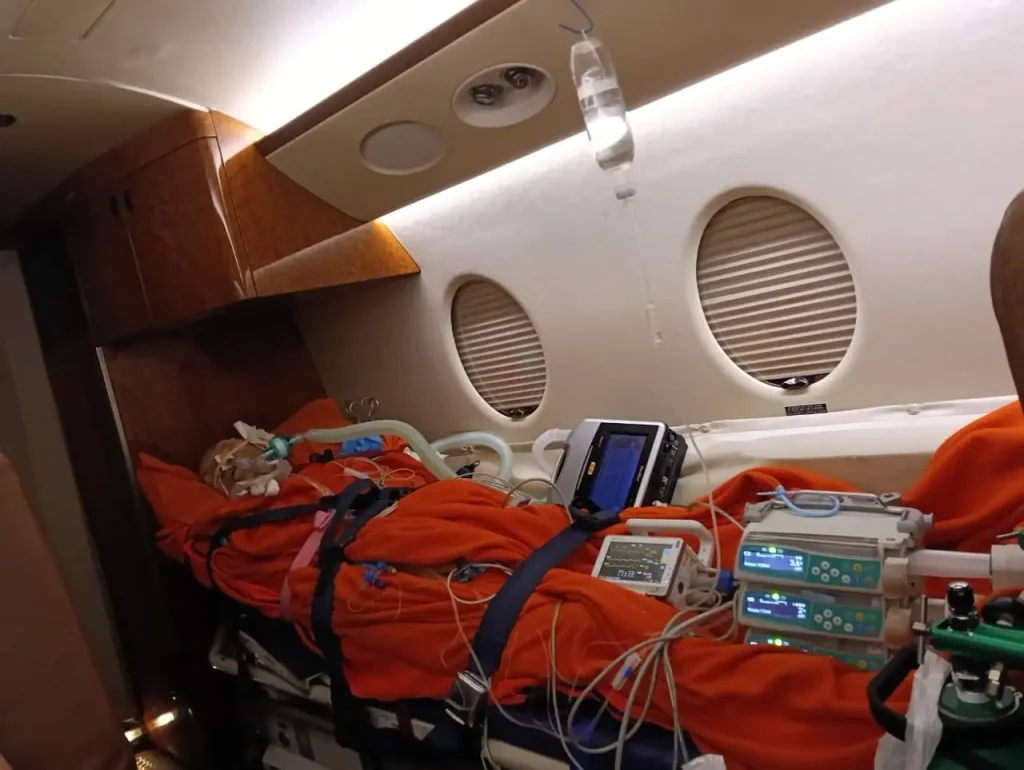
- Medical equipment suited to in-flight patient monitoring and stabilization
- Flight crew trained in both aviation safety and emergency medical procedures
- Clear protocols for handling changes in a patient’s condition mid-transport
- Documented maintenance schedules for aircraft used in evacuation work
How Compliance Is Checked
Meeting a standard on paper is different from maintaining it consistently. Reputable operators undergo periodic inspections and audits covering maintenance records, operational procedures, and crew qualifications. This is less about a single certificate and more about an ongoing habit of review, since conditions, equipment, and staff all change over time.
Who Oversees Air Ambulance Safety
In Indonesia, civil aviation activity, including air ambulance operations, falls under the oversight of the Directorate General of Civil Aviation (DGCA), which sets requirements around aircraft certification, pilot qualifications, and operational protocols. Oversight like this is also weighed against international best practices, since medical evacuation often crosses into territory where local and international expectations need to align. These layers of oversight are what give air ambulance safety standards Bali their practical weight, rather than leaving safety to an individual operator’s discretion alone.
Training Behind Every Evacuation
Core Training Areas
Crew competency is as central to safety as the aircraft itself. Training programs for both pilots and medical personnel generally cover:
- Emergency medical response specific to in-flight conditions
- Flight physiology and how altitude affects patient stability
- Patient handling and care during transport, not just at departure or arrival
Staying Current Through Drills
Initial certification is only a starting point. Ongoing training, including regular drills and simulated scenarios, keeps crews ready for situations that don’t come up often but matter enormously when they do.
Challenges in the Field
Even well-designed standards run into real-world friction. Weather can shift quickly across the archipelago, some locations are genuinely hard to reach, and healthcare infrastructure varies significantly between major hubs and more remote areas. Operators typically manage these challenges through a combination of preparation and local knowledge:
- Monitoring weather conditions closely before and during flights
- Assessing landing zones in advance for harder-to-reach locations
- Working directly with local hospitals to streamline patient handoffs
When a case involves more complexity than a straightforward transfer, it helps to understand the range of evacuation options available when conditions get complicated, since the right combination of ground, air, and sea transport isn’t always obvious from the outset.
Where Safety Standards Are Heading
Technology continues to shape this space. Some operators are exploring tools like improved telemedicine links during transport, allowing medical teams on the ground to stay connected with in-flight crews in real time. Wider awareness among travelers and residents about what these standards actually involve also plays a role, since informed patients and families tend to make faster, calmer decisions during an actual emergency.
Who to Call When It Matters
Reading about air ambulance safety standards Bali is useful groundwork, but having a partner already in place matters more once a real case begins.
Onecare Partner stands ready to support patients with international air ambulance transport to Singapore, Malaysia, and Australia, with medical teams and evacuation equipment on standby across 12 strategic cities in Indonesia, including Bali and Jakarta.
- Contact Onecare Partner to talk through your evacuation and safety requirements
- Explore our air ambulance Indonesia capabilities for more detail on fleet, crew, and coverage
Safety in this field isn’t a single checkbox. It’s a pattern of preparation, training, and oversight that holds up when it’s tested, which is ultimately what gives patients and their families confidence in a difficult moment.