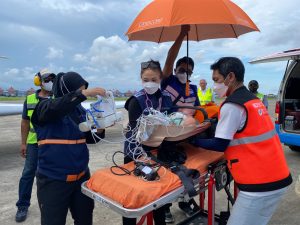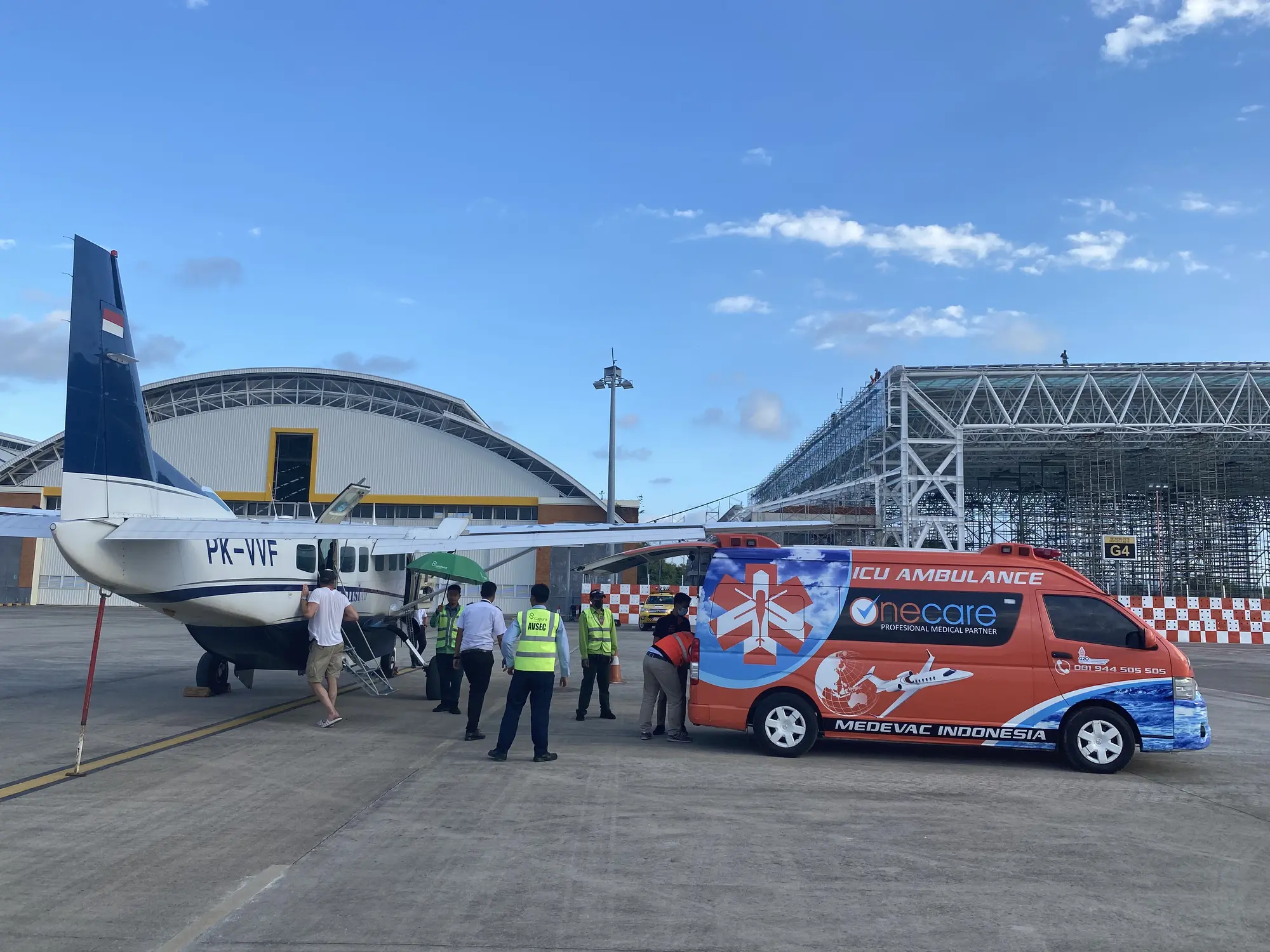
When planning your trip to Bali, understanding the medical evacuation options in Bali is just as important as booking your flights or hotel. The island welcomes millions of visitors every year, but its healthcare landscape varies widely. World-class private hospitals sit in Kuta, Nusa Dua, and Denpasar, while more remote areas like Nusa Penida, Amed, or the highlands around Kintamani can be hours away from advanced medical care by road. Knowing what evacuation and transport services exist, and how they work, gives you a clear plan before an emergency ever happens.
This article will break down the main types of medical evacuation services available in Bali, then walks through how to choose the right one for your situation.
Why Round-the-Clock Readiness Matters
Medical emergencies don’t wait for business hours, and neither should help. A motorbike accident near Amed at 2 a.m. or a diving incident off Nusa Penida at dawn requires the same urgency as a daytime emergency in Seminyak. This is exactly why round-the-clock readiness matters so much. You can read more about the importance of round-the-clock medical evacuation service and how it can be the deciding factor in a critical situation. Especially in areas where the nearest advanced hospital may be a boat ride or a long drive away.
Types of Medical Evacuation Options in Bali
1. Air Ambulance Services
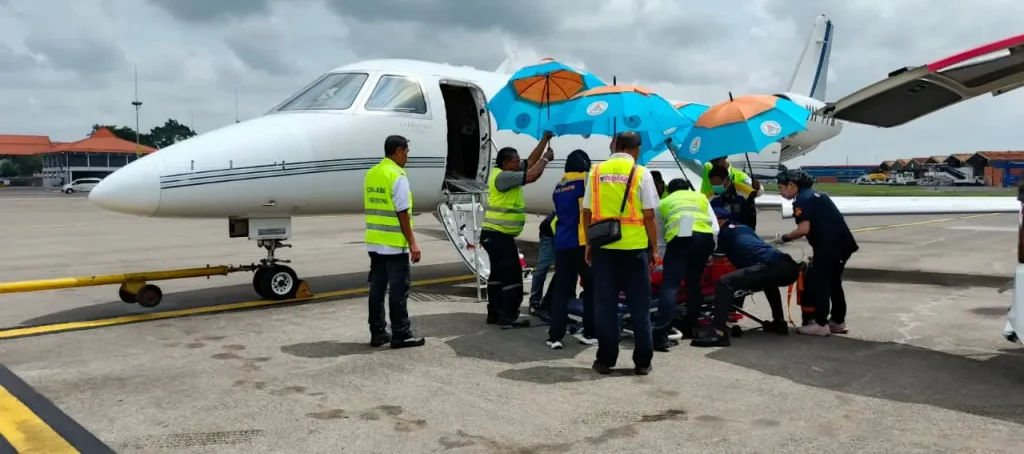
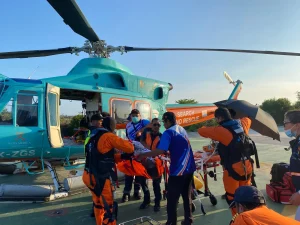
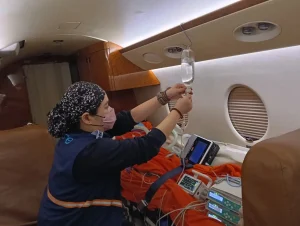
Air ambulance services provide the fastest route to advanced care, which matters most in Bali’s harder-to-reach areas. Nusa Penida, Nusa Lembongan, and the mountainous interior near Kintamani or Munduk, where road access can take hours. These aircraft are staffed with trained medical personnel and equipped to stabilize patients in transit, flying into Ngurah Rai International Airport or directly to partner hospitals for admission.
Key benefits include:
- Swift response times for life-threatening situations
- Advanced medical equipment and trained staff during transport
- The ability to reach remote or hard-to-access locations quickly
2. Ground Ambulance Services
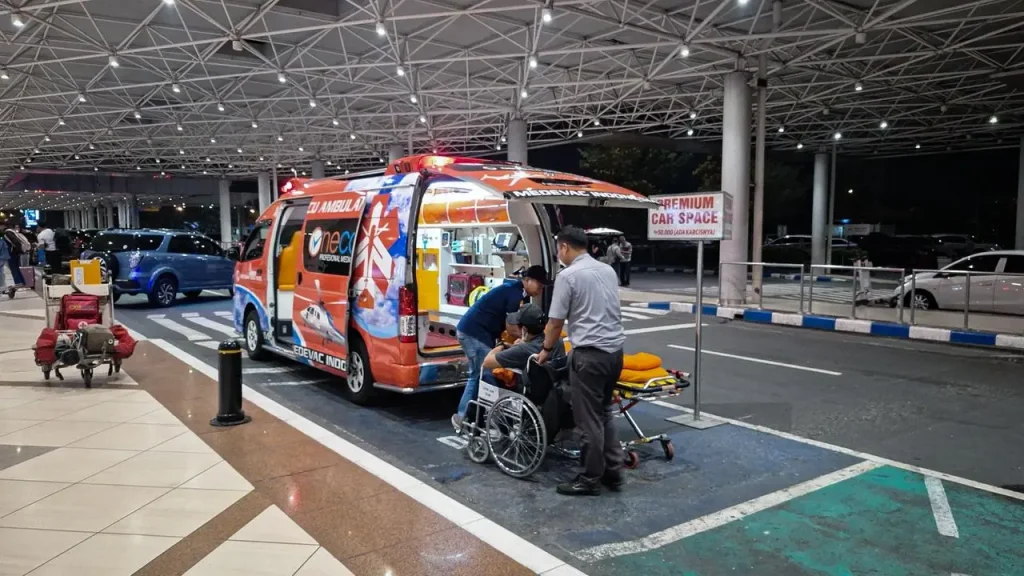
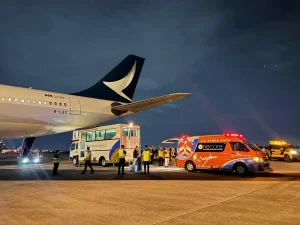
Ground ambulances handle most day-to-day medical transport in Bali, particularly transfers between clinics and major hospitals such as BIMC Hospital (Kuta and Nusa Dua), Siloam Hospitals Bali (Denpasar), and RSUP Sanglah, the island’s main government referral hospital for serious trauma cases. For non-critical patients, ground transport is often the more practical and cost-effective choice.
Ground ambulance services typically offer:
- Basic and advanced life support capabilities
- Access to hospitals across the island, from Denpasar to Ubud
- Safe, comfortable transport for stable, non-critical patients
3. Medevac Services
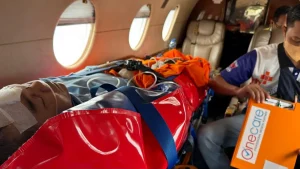
Medevac services combine ground and air transport into a single coordinated response, which is especially useful in tourist-heavy areas spread across the island. Rather than choosing one mode of transport, a medevac provider assesses the patient’s condition and location, then dispatches whichever combination gets them to appropriate care fastest.
4. Sea Evacuation (Maritime Medical Evacuation) Services
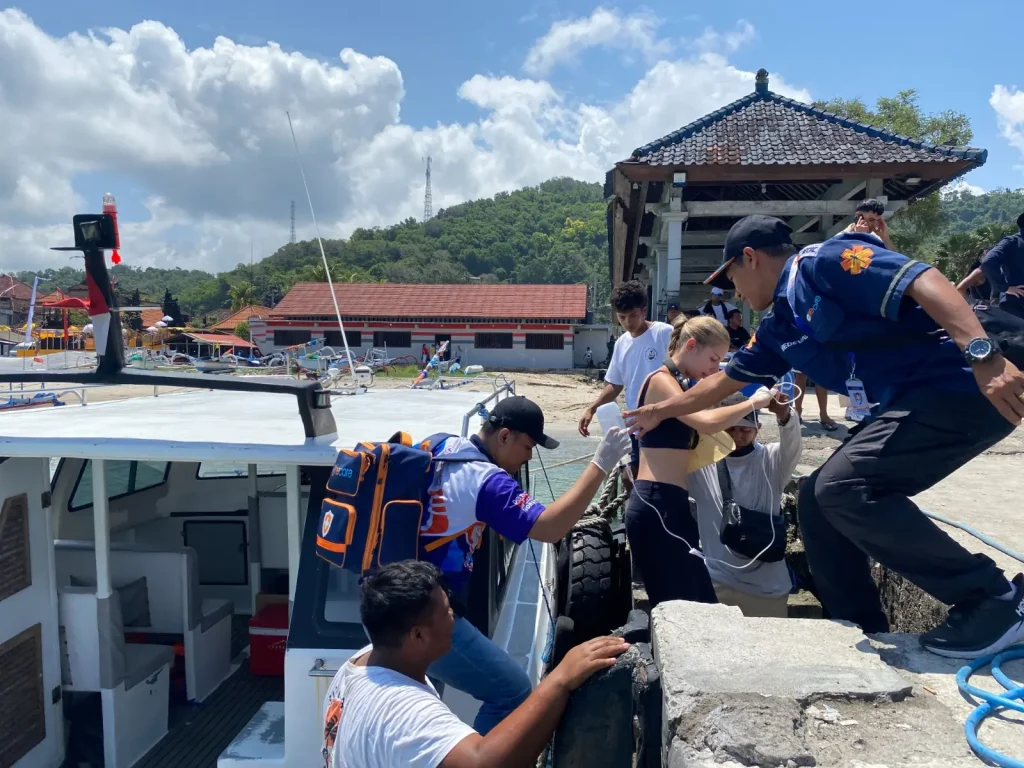
For emergencies that happen offshore or on Bali’s outer islands, sea evacuation becomes the critical link in the chain. Remote islands such as Nusa Penida, Nusa Lembongan, and Nusa Ceningan sit across open water from the mainland, meaning a medical emergency there often cannot wait for a boat schedule or rely on standard ferry transport.
Maritime medical evacuation Indonesia coordinate the process from the moment a case is reported: identifying a rendezvous point, arranging transfer from the vessel or island to the nearest harbor, and continuing onward transport to an appropriate medical facility on the mainland.
Key features include:
- Coordinated transfer from vessel or island to the nearest harbor
- Close coordination with BASARNAS, Port Health Office (KKP), and certified medical teams
- Onward transport arrangement to appropriate hospitals on the mainland
5. Medical Assistance Services
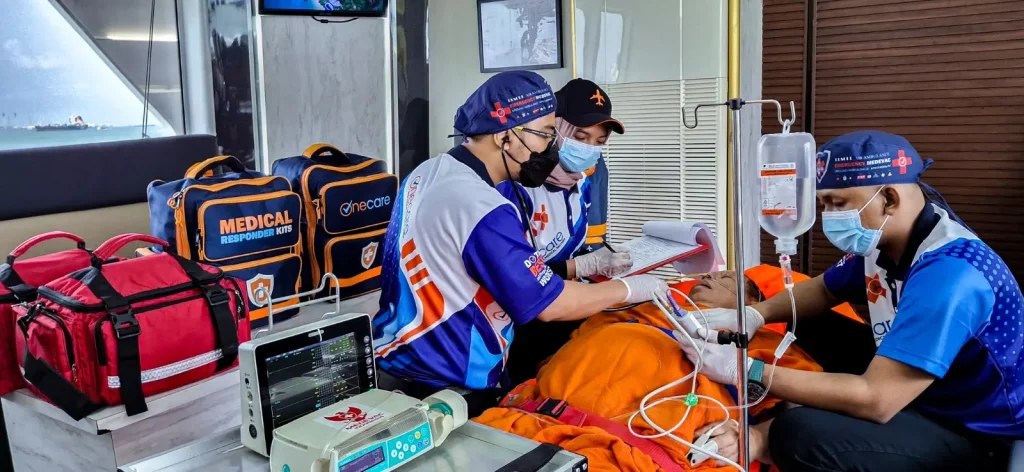
Medical assistance services sit alongside evacuation itself, helping travelers navigate the practical side of a medical emergency: finding the nearest appropriate facility, arranging transport, and liaising with travel insurance providers. Providers offering comprehensive medical evacuation services in Indonesia, such as Onecare Partner, can coordinate everything from initial assessment to final hospital transfer, which is particularly valuable for travelers unfamiliar with the local healthcare system. You can find One Care Partner Bali location for direct visits or coordination.
Benefits include:
- Guidance navigating Bali’s mix of private and public healthcare facilities
- Coordination of evacuations or inter-hospital transfers
- Support with travel insurance claims related to medical emergencies
How to Choose the Right Medical Transport Service
Selecting the right service depends less on which sounds most advanced and more on matching the response to your actual situation.
Assessing Your Needs
Before deciding, consider:
- The severity of the medical condition
- Your location on the island (a driveable area versus a remote island like Nusa Penida)
- Your insurance coverage and financial situation
Researching Providers
Not all providers offer the same standard of care. When researching options, check for:
- Licensing and accreditation, including registration recognized by Indonesia’s Ministry of Health (Kemenkes)
- Reviews or track record from previous clients, particularly other travelers
- Confirmed access to advanced equipment and trained medical personnel, not just a vehicle or aircraft
Conclusion
Understanding the different medical evacuation options in Bali. From air and ground ambulances to medevac, emergency evacuation, and medical assistance services, gives you a clearer picture of what’s available before you actually need it. Always pair this knowledge with travel insurance that explicitly covers medical evacuation, since costs for air ambulance transport in particular can run into the thousands of dollars without coverage.
To learn more about end-to-end coverage, explore Onecare Partner’s medical evacuation services in Indonesia, designed to support travelers across Bali and beyond.