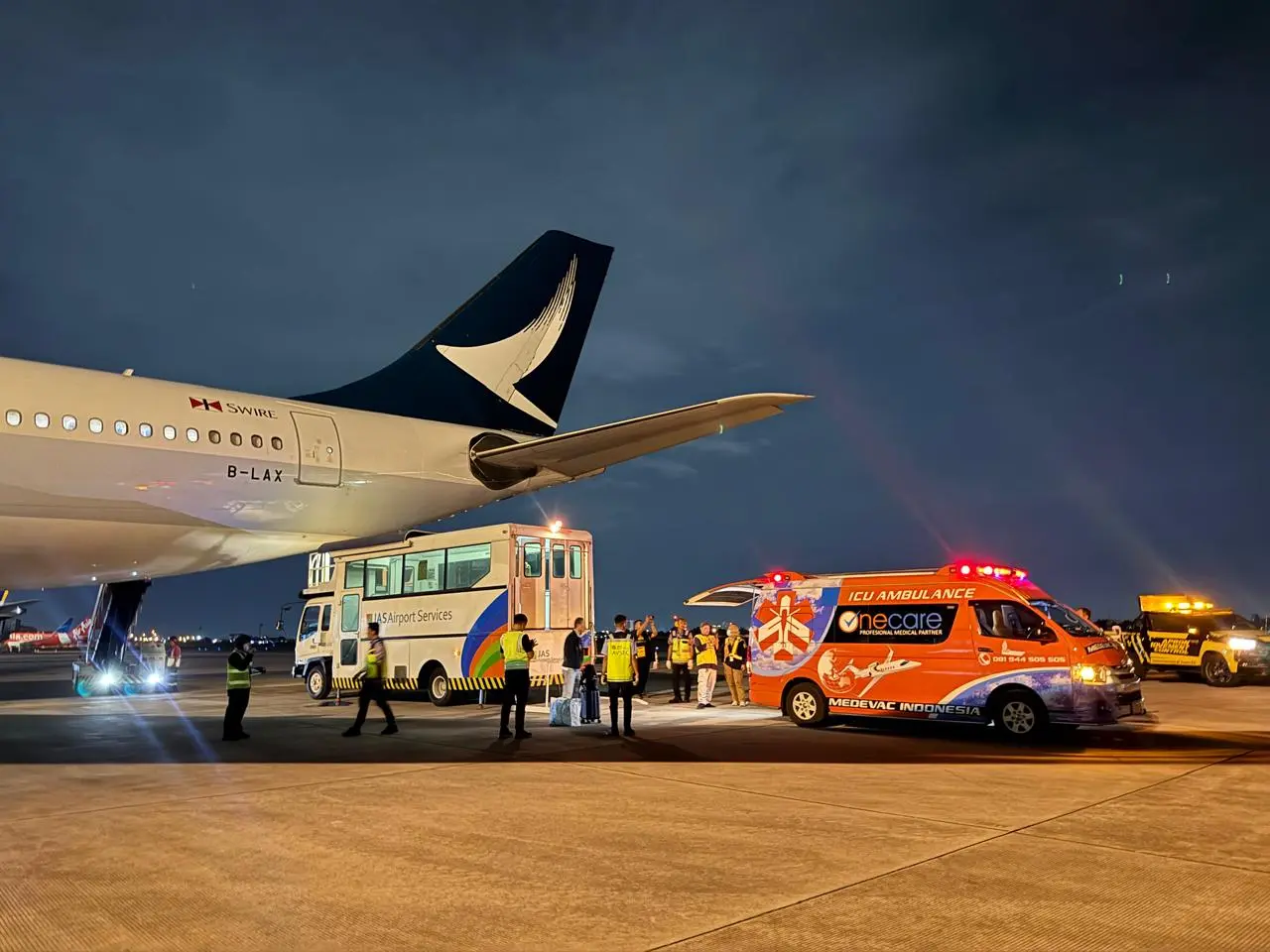
When a medical emergency strikes far from a major hospital, the quality of medical evacuation logistics in Indonesia can shape the entire outcome. Spread across thousands of islands with very different levels of access, the country demands careful preparation long before a patient is moved. This guide walks through how an evacuation is organized, who is involved, and what travelers and assistance providers should understand to make better decisions under pressure.
Medical Evacuation Logistics Indonesia
Every evacuation starts with a simple question: what does this patient need, and what is available nearby? Answering it well sets the pace for everything that follows. If you want a broader view of how these decisions are made across regions, our overview of emergency medical evacuation strategies in Indonesia adds useful context.
Assessing the Patient’s Medical Needs
The patient’s condition determines both the urgency and the mode of transport. A stable patient needing specialist follow-up can travel very differently from someone requiring continuous critical care. Medical teams review vital signs, medical history, and treatment already given before choosing a route.
Linking Up With Emergency Services
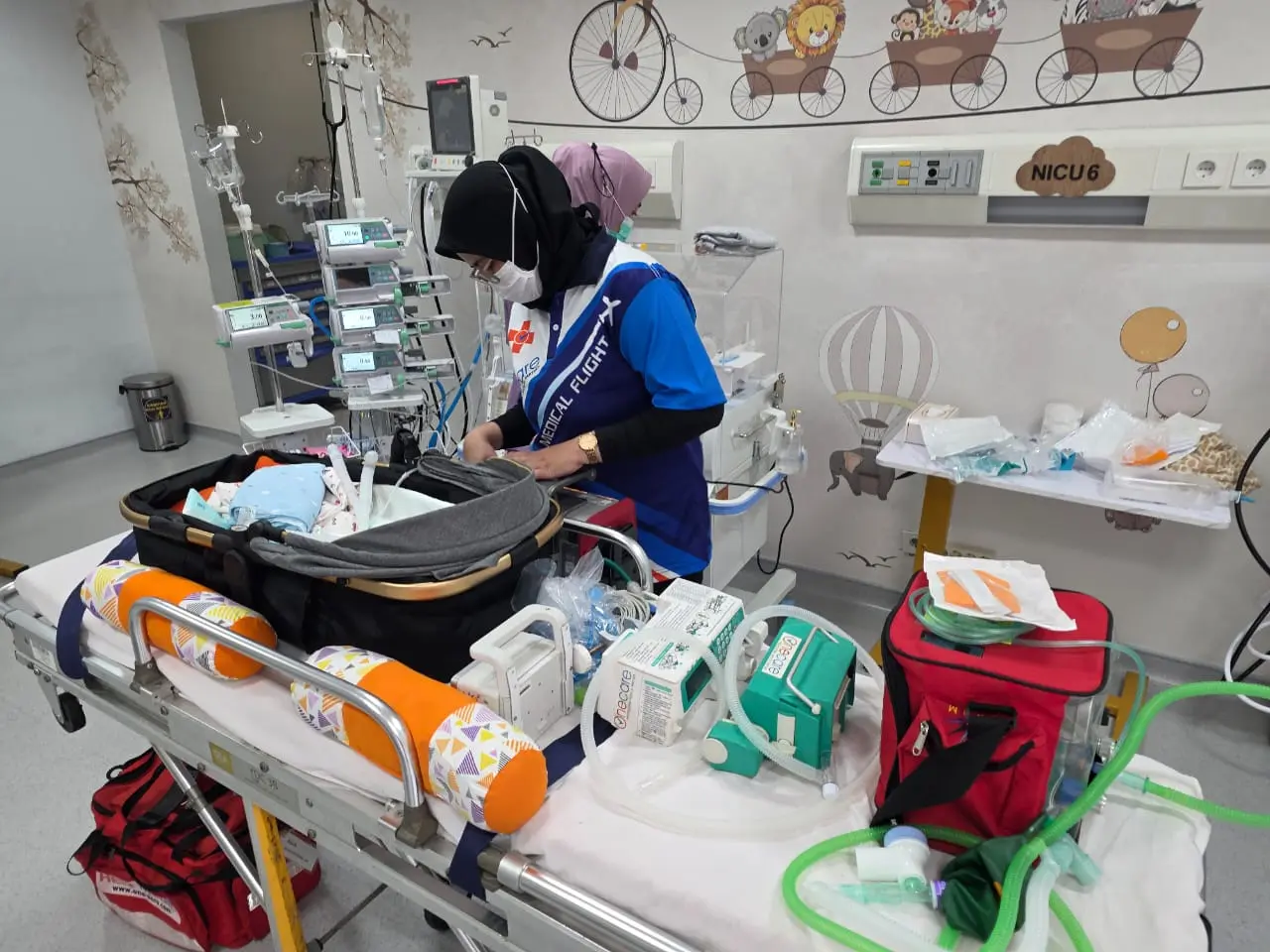
Local hospitals, ambulance crews, and emergency responders hold the ground-level picture. Contacting them early helps confirm bed availability, handover details, and the fastest way to reach the departure point.
Matching Resources to the Case
Once the need is clear, the right combination of tools falls into place:
- Medical equipment suited to the patient’s condition
- Qualified doctors and nurses for the journey
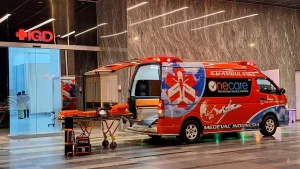
- Ground or air transport that fits the distance and terrain
- Backup options in case weather or access changes
Air Ambulance Operations Explained
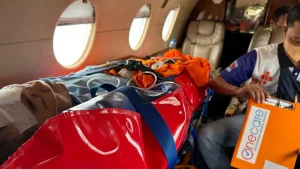
For remote islands or long distances, flying is often the fastest route to specialist care. An air ambulance works like a small mobile intensive care unit, which means the aircraft, crew, and equipment must all be ready at the same moment.
Aircraft Readiness on Standby
A suitable aircraft has to be available and cleared to fly when the call comes in. Providers plan for runway limits, fuel stops, and flight permissions so that no time is lost on the ground.
Flight Crew Training and Skills
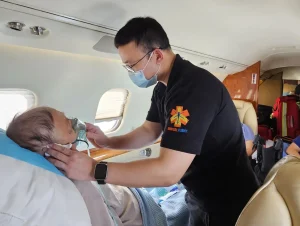
Treating a patient at altitude is different from bedside care. Crews train to manage pressure changes, limited space, and sudden changes in a patient’s condition during the flight.
Communication Links in the Air
Reliable contact between the aircraft, the receiving hospital, and the ground team keeps everyone informed of arrival times and the patient’s status, so the destination can prepare in advance.
Coordinating Every Party Involved
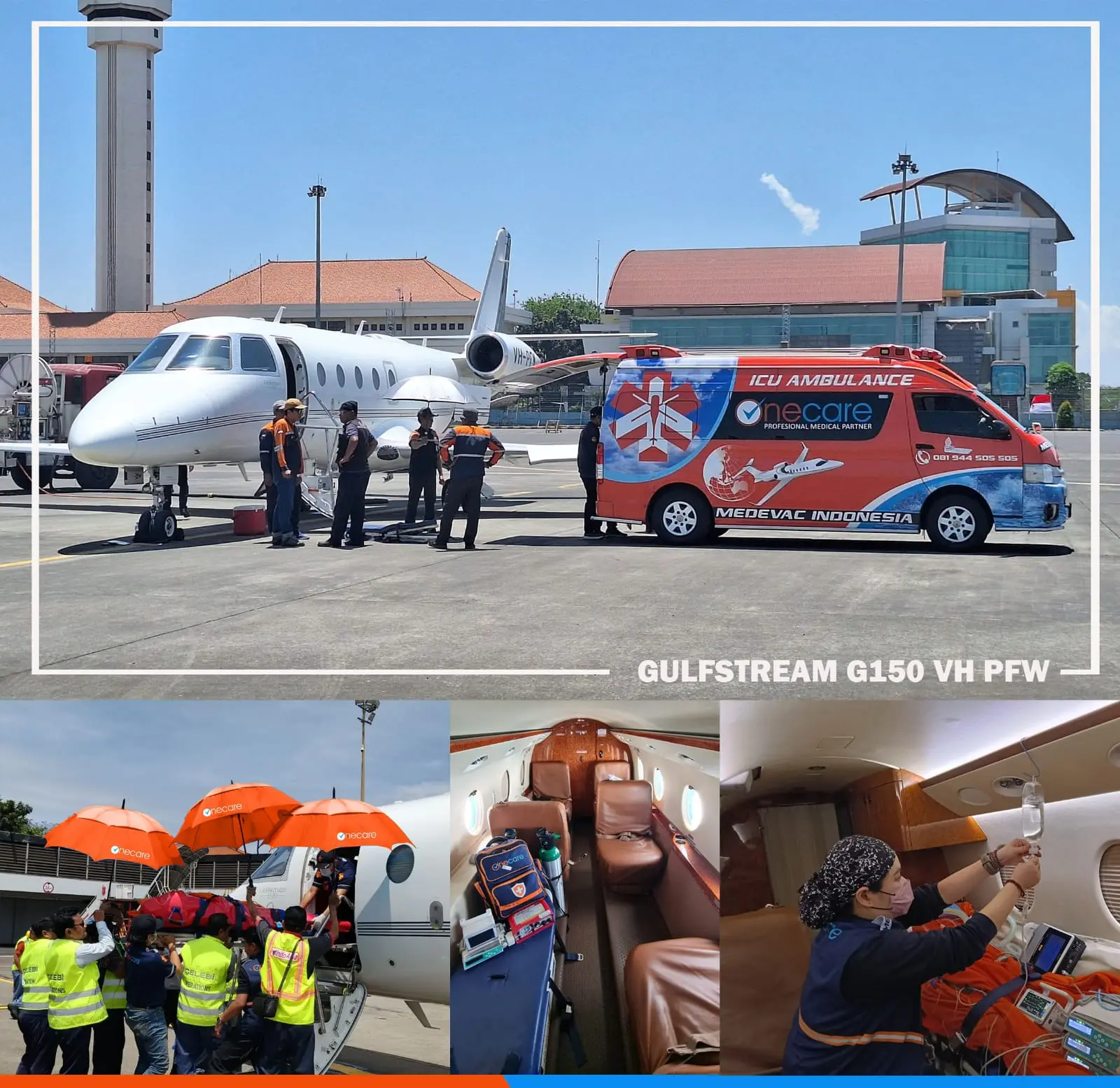
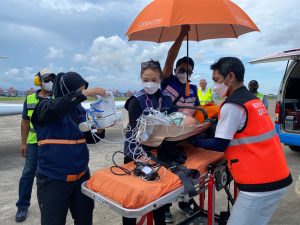
An evacuation is rarely handled by one organization. Hospitals, ambulance providers, flight operators, and insurers all play a part, and gaps between them cost valuable time.
- One communication channel: agree on who updates whom, and how often.
- Clear responsibilities: each team knows exactly what it owns at each stage.
- Regular practice: rehearsals and case reviews expose weak points before a real emergency does.
Travel Medical Assistance as a Safety Net
Visitors to Indonesia often face an unfamiliar health system and a language barrier at the worst possible moment. Good travel medical assistance bridges that gap with round-the-clock support, local knowledge, and help navigating insurance. Understanding medical evacuation logistics in Indonesia before you travel makes it easier to check that your coverage actually includes transport and repatriation. If your trip includes the island of the Gods, reviewing medical evacuation options in Bali is a practical next step.
Beyond Moving a Patient Safely
Medical evacuation is not just about relocating someone from point A to point B. It is about making sure every stage of the medical journey is coordinated so the patient receives the right treatment from the first assessment until they arrive at the destination facility. That is the real purpose of medical evacuation logistics in Indonesia: turning a stressful situation into a managed, traceable process.
If you need guidance or want to understand your options, reach One Care Bali directly:
- Call us anytime at +62 812-6050-5505 to speak with the team.
- Visit our office at Jl. Sedap Malam No.110A, Kesiman, Kec. Denpasar Tim., Kota Denpasar, Bali 80237.
Preparing early, asking the right questions, and choosing partners who coordinate well are the best ways to stay ready for the unexpected.