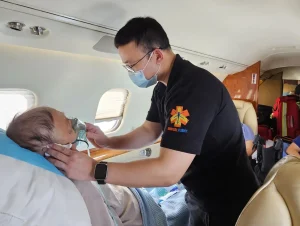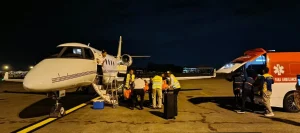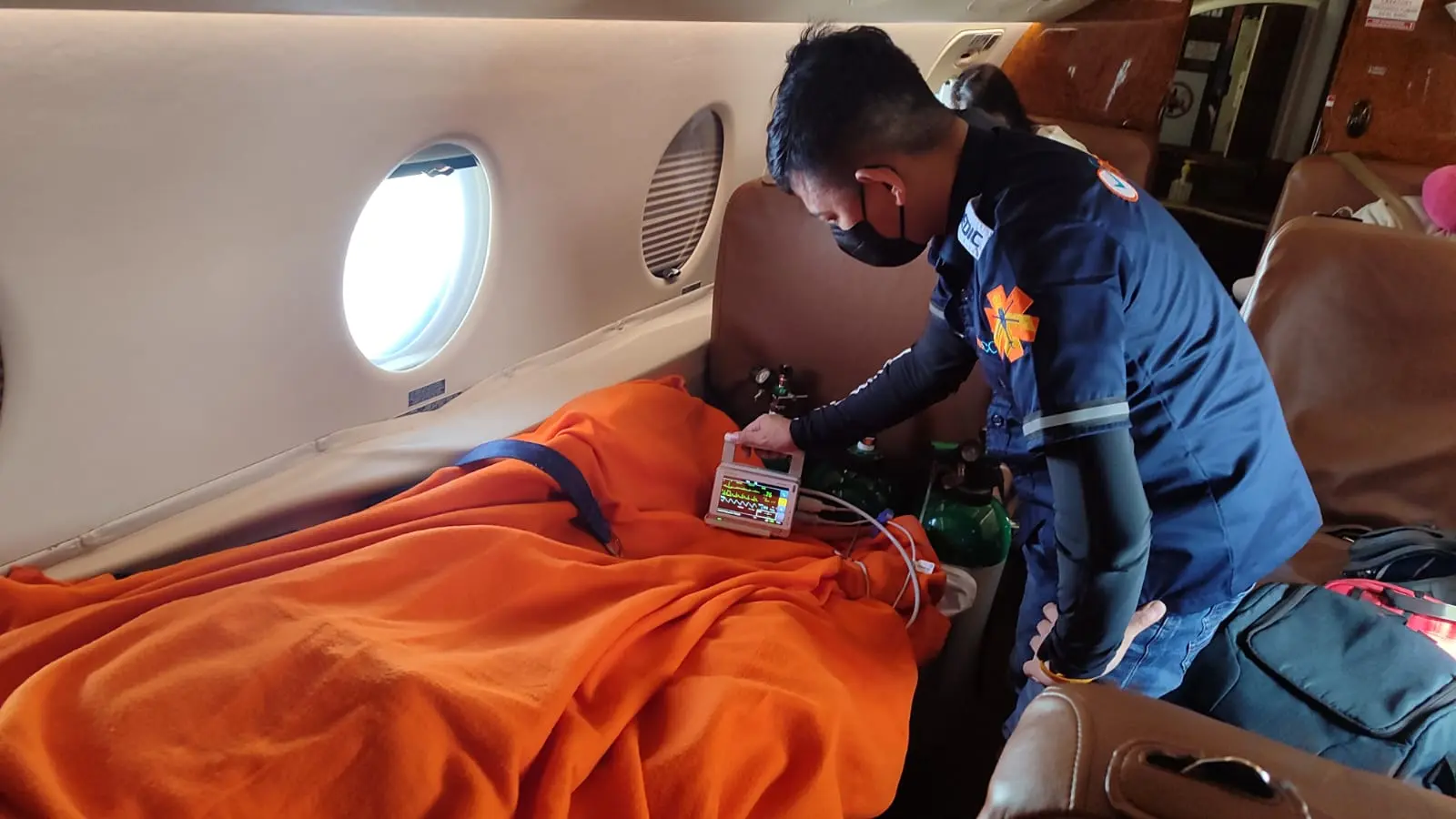
In Indonesia, a nation comprising thousands of islands and diverse terrains, emergency medical evacuation strategies are crucial for addressing medical emergencies effectively. As travel and tourism continue to rise, understanding the intricacies of medical evacuation response becomes vital for insurance companies, travel insurance providers, and assistance companies. This article discusses effective strategies for managing medical emergencies and ensuring timely evacuations in Indonesia.
Understanding Medical Evacuation Response
The first step in developing successful medical evacuation strategies is to understand the medical evacuation response framework. This involves a coordinated approach that requires collaboration among various stakeholders, including healthcare facilities, transportation services, and emergency medical teams.
Effective medical evacuation response is characterized by:
- Rapid assessment and triage: Quickly identifying patients’ needs and determining the level of care required.
- Efficient communication: Establishing clear communication channels among all parties involved, including emergency services, hospitals, and insurance companies.
- Resource allocation: Ensuring that resources such as ambulances, helicopters, and medical personnel are readily available and can be deployed rapidly.
By emphasizing these aspects, organizations can significantly improve their response times and overall effectiveness in handling medical emergencies.
Logistics of Evacuation: Key Considerations
Evacuation logistics are crucial in the execution of emergency medical evacuations. In Indonesia, geographical challenges can complicate these logistics, making it essential to have well-prepared strategies in place.
Some key considerations include:
- Geographic analysis: Assessing the terrain and accessibility of various locations to determine the best evacuation routes.
- Transport options: Identifying available transport options such as land ambulances, air ambulances, or boats, depending on the location and urgency.
- Healthcare facility readiness: Ensuring that receiving healthcare facilities are prepared for incoming patients and have the necessary resources to provide care.
These considerations are vital for ensuring that patients receive timely and appropriate care during medical evacuations.
Emergency Care Coordination
Effective emergency care coordination is integral to the success of medical evacuation strategies. This involves establishing protocols for seamless collaboration between various entities involved in emergency care.
Key components of emergency care coordination include:
- Training and education: Regular training sessions for medical personnel and emergency responders on best practices for evacuation and patient care.
- Establishing partnerships: Building strong relationships with local hospitals, air ambulances, and ground transportation providers to facilitate quick response times.
- Utilizing technology: Leveraging technology for real-time updates and communication, allowing for better decision-making during emergencies.
By focusing on these components, organizations can enhance their emergency response strategies and improve overall patient outcomes.
Health Crisis Management in Travel
In the context of travel, health crisis management becomes imperative, especially in a diverse country like Indonesia. Insurance companies and travel insurance providers must be equipped to handle medical emergencies efficiently.
Strategies for effective health crisis management in travel include:
- Risk assessment: Conducting thorough risk assessments before travel to identify potential health risks and develop appropriate evacuation plans.
- Emergency planning resources: Providing travelers with resources and information on emergency services available at their destination.
- Regular updates: Keeping travelers informed about health advisories and local healthcare resources throughout their journey.
By implementing these strategies, insurance companies can better support travelers and ensure their safety during unexpected health crises.
Medical Evacuation Training
Training plays a crucial role in ensuring that emergency responders are prepared for medical evacuations. A well-trained team can respond swiftly and effectively to emergencies, ultimately saving lives.
Training programs should include:
- Scenario-based drills: Conducting realistic drills that simulate various emergency situations to prepare responders for real-life scenarios.
- First aid and CPR training: Ensuring that all team members are proficient in basic life support skills.
- Communication skills: Training on effective communication during high-pressure situations to facilitate better teamwork and coordination.
With comprehensive training programs, organizations can enhance their medical evacuation response capabilities.
Conclusion
In summary, developing effective emergency medical evacuation strategies in Indonesia is paramount for ensuring the safety and well-being of travelers and residents alike. By focusing on medical evacuation response, evacuation logistics, emergency care coordination, and health crisis management, insurance companies and assistance providers can improve their operational effectiveness. The implementation of these strategies will not only enhance patient outcomes but also foster trust and reliability among clients seeking travel insurance and assistance. As Indonesia continues to grow as a travel destination, adopting these best practices will be essential in navigating the complexities of medical emergencies.