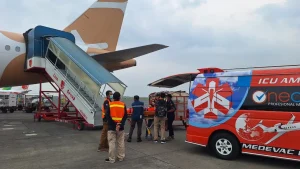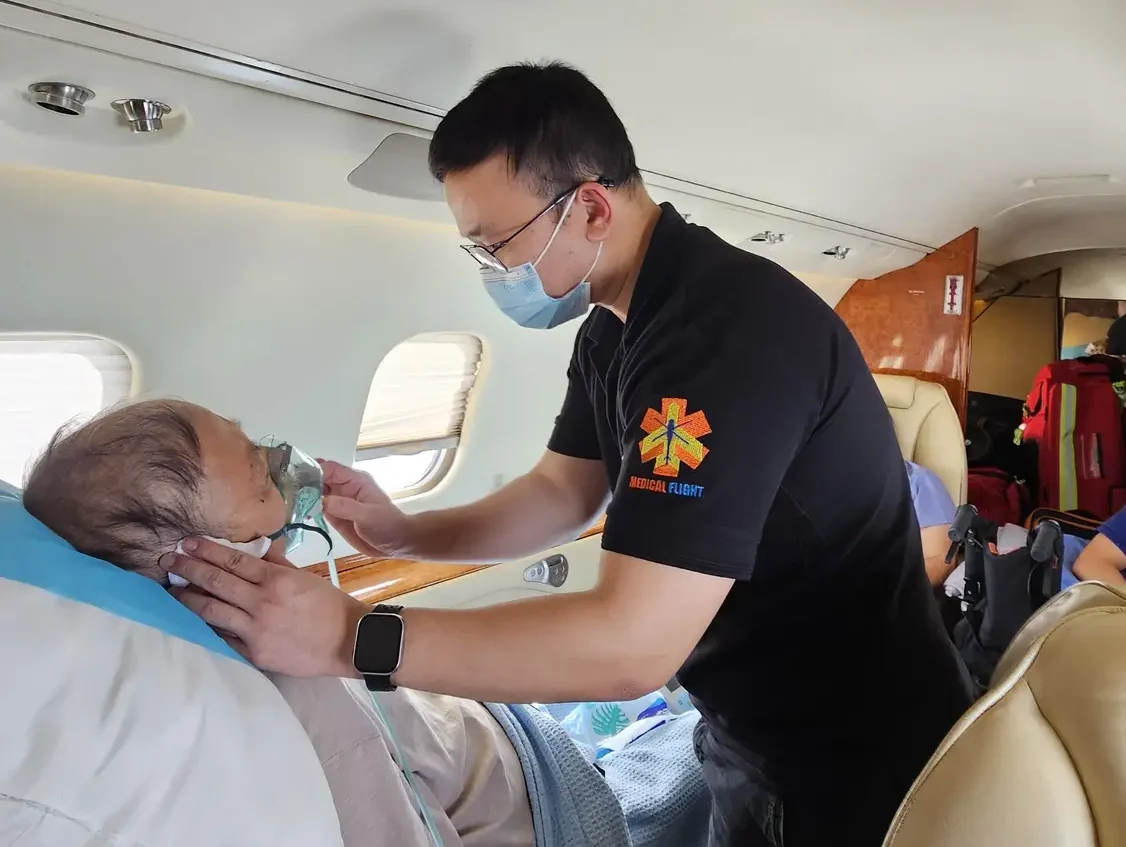
In the realm of emergency medical services, particularly in the air ambulance sector, air ambulance patient care standards play a pivotal role in ensuring the safety and well-being of patients during transport. As medevac services continue to grow in importance, understanding these standards becomes essential for insurance companies and travelers alike. This article delves into the necessary care standards that govern air ambulance operations, providing insights into the quality of care delivered during medical evacuations.
Overview of the Care Standards Required for Air Ambulance Operations
Indonesia air ambulance services are designed to provide critical medical care to patients who require rapid transportation to healthcare facilities. The standards for air ambulance Indonesia dictate the protocols that must be followed to ensure patient safety and quality of care. These standards encompass various aspects, including the qualifications of medical staff, the equipment used in air ambulances, and the protocols for patient care in medevac situations.
One of the foundational elements of air ambulance operations is the training of medical staff. It is imperative that personnel are not only certified in emergency medical services but also trained specifically in air transport protocols. This specialized training helps ensure that they are prepared to handle the unique challenges presented during air evacuations, including limited space and the need for rapid decision-making.
Medical Staff Training and Qualifications
The quality of care provided during air transport largely depends on the expertise of the medical personnel onboard. Staff typically includes flight paramedics, nurses, and physicians who are trained in advanced life support and critical care. They must be adept at performing medical interventions while the aircraft is in flight, often under challenging conditions. Ensuring that all medical staff meet established safety standards is crucial for maintaining high levels of patient care in medevac situations.
Equipment and Technology Standards
In addition to personnel qualifications, the equipment utilized in air ambulances must adhere to rigorous standards. This includes life-support systems, monitoring devices, and emergency medical supplies. Regular maintenance and inspections are essential to ensure that all equipment is functioning correctly and is ready for use in emergencies. Compliance with these equipment standards contributes significantly to the overall quality of care in air transport.
Quality of Care During Medical Evacuations
The quality of care of medical evacuations service Indonesia is assessed through various metrics, including patient outcomes and safety records. Air ambulance services must implement best practices that prioritize patient safety in medevac situations. This includes adhering to established patient care protocols, conducting thorough pre-flight assessments, and ensuring continuous monitoring during transport.
Patient care protocols are designed to standardize the approach to various medical conditions and emergencies. This ensures that all medical personnel are on the same page regarding the treatment and care that should be provided during transport. By following these protocols, air ambulance services can enhance the quality of care and improve patient outcomes.
Patient Safety Protocols
Ensuring patient safety during air transport is paramount. This involves conducting risk assessments before each flight, ensuring that patients are stable enough for transport, and having contingency plans in place for potential complications during flight. By prioritizing safety, air ambulance services can minimize risks and provide a higher standard of care.
Continuous Monitoring and Assessment
Once in the air, continuous monitoring of the patient’s condition is critical. Medical staff must be equipped to provide immediate interventions as necessary, based on the patient’s evolving health status. This ongoing assessment is vital for responding effectively to any changes that may occur during transport.
Best Practices in Air Ambulance Services
Incorporating best practices into air ambulance services not only enhances patient care but also boosts the overall effectiveness of medical evacuations. These practices include regular training for medical staff, routine equipment checks, and adherence to established safety standards. Additionally, fostering a culture of continuous improvement within the organization can help identify areas for enhancement in patient care protocols.
Some of the best practices that should be emphasized in air ambulance services include:
- Regular training sessions for medical staff to keep them updated on the latest protocols and technologies.
- Implementing a system for feedback and reporting that encourages staff to share experiences and suggestions for improvement.
- Conducting simulated emergency scenarios to prepare staff for real-life situations they may encounter during transport.
Collaboration with Insurance Companies
Insurance companies play a crucial role in the landscape of air ambulance services. By understanding the standards for air ambulance services, they can better inform their clients about the importance of patient safety during medevac situations. This collaboration ensures that travelers are aware of their coverage options and the critical nature of air ambulance services in emergencies.
Informing Travelers About Coverage
Travelers must be educated about the significance of having adequate travel insurance that includes coverage for air ambulance services. This knowledge not only helps them understand their options in case of emergencies but also underscores the importance of patient safety during medical evacuations. Insurance companies can assist in this by providing clear information about what their policies cover, especially regarding air ambulance patient care standards.
Conclusion
In summary, understanding the air ambulance patient care standards is essential for both insurance companies and travelers. These standards ensure that patients receive high-quality medical care during evacuations, prioritizing their safety and well-being. By adhering to established protocols, training medical staff, and continuously assessing the quality of care provided, air ambulance services can deliver effective and safe transportation for those in need. It is crucial for all stakeholders, including insurance providers and travelers, to stay informed about these standards to ensure the best possible outcomes during medical emergencies.