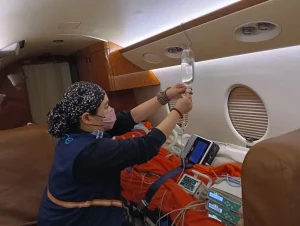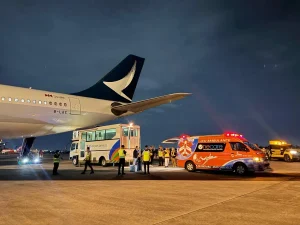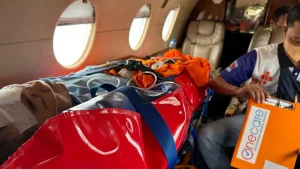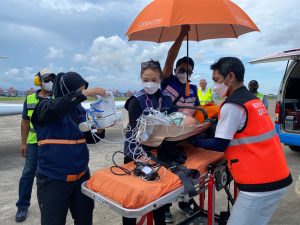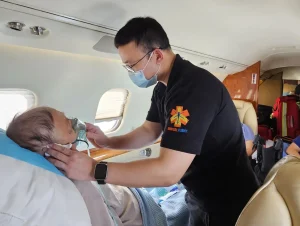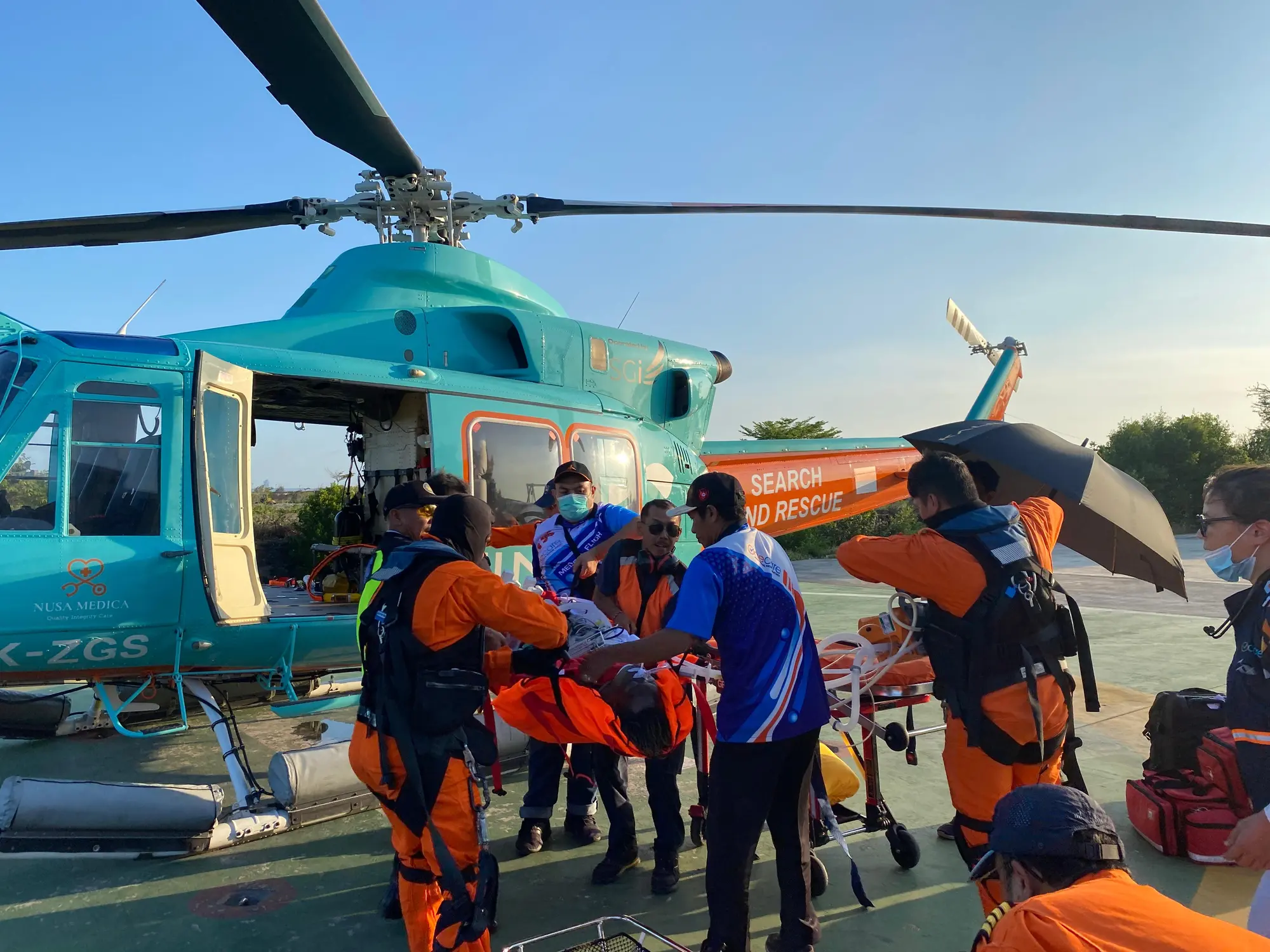
When a team member falls seriously ill or gets hurt far from home, every hour counts. Companies sending staff across the archipelago need more than good intentions, and that is where corporate medical evacuation Indonesia planning becomes a practical part of duty of care. A clear plan decides who makes the call, who moves the patient, and where that patient is treated.
Why Indonesia Complicates Emergency Care
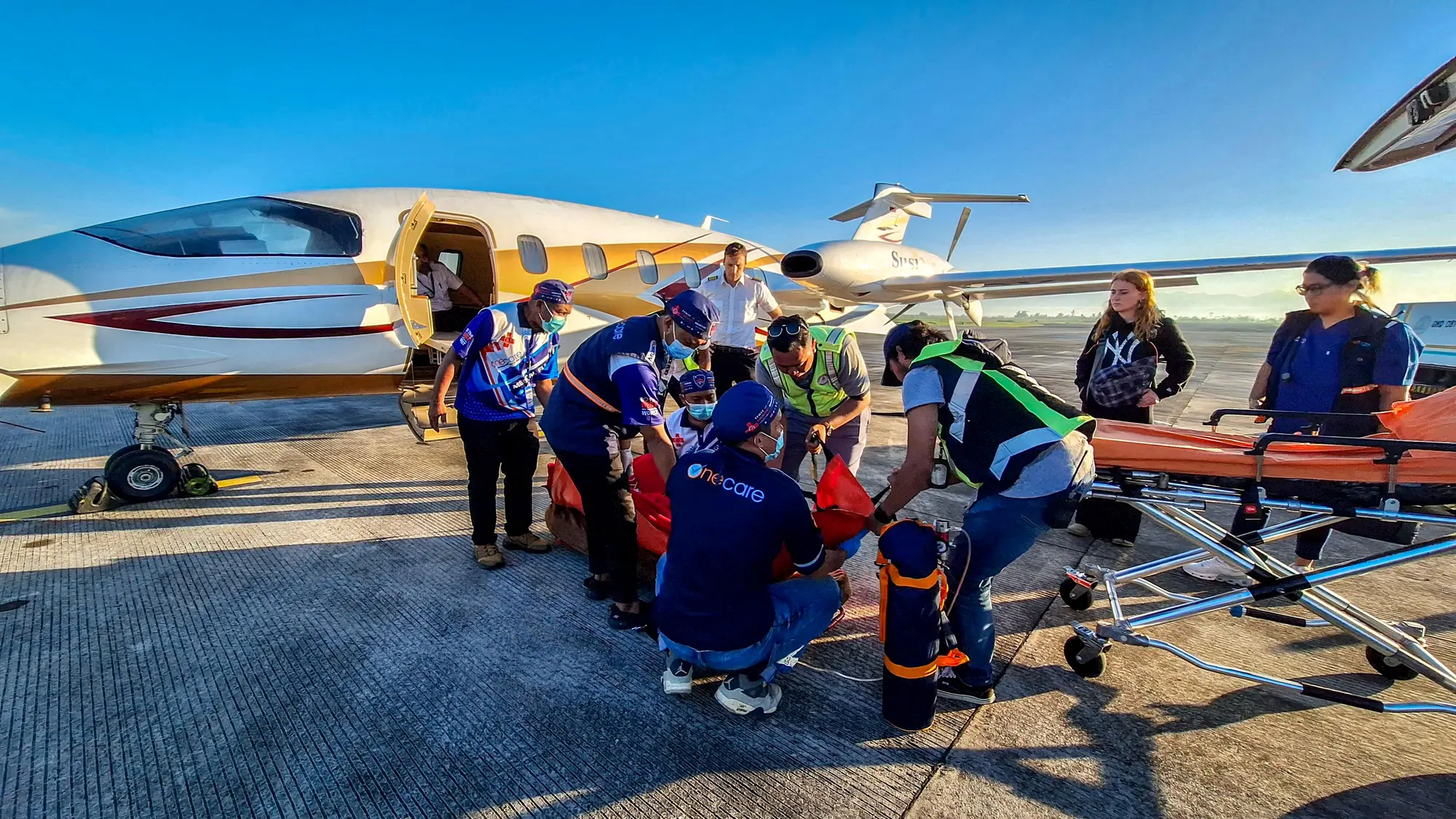
Indonesia spans thousands of islands, and the gap between a major city hospital and a remote site can be enormous. A traveler working on a mining concession, a construction project, or a resort development may be hours from the nearest facility equipped for critical care. That distance is why corporate medical evacuation Indonesia strategies must start with geography rather than paperwork.
Several local realities shape the risk:
- Flight schedules between islands are limited, and weather can ground them.
- Specialist care is concentrated in a handful of cities.
- Road transfers in rural areas can take far longer than the distance suggests.
- Language and documentation differences can slow admissions.
Corporate Medical Evacuation Indonesia
A workable program rests on three habits: knowing your exposure, choosing the right partners, and keeping help reachable at any hour.
Mapping Risks Before Anyone Travels
Start by listing where your people actually go, not just where your head office sits. For each location, note the nearest suitable hospital, the realistic transfer time, and the most likely health threats, such as heat illness, accidents, or tropical infections. Then layer in your workforce: older travelers, staff with chronic conditions, and frequent flyers each carry different needs.
Choosing Capable Evacuation Partners
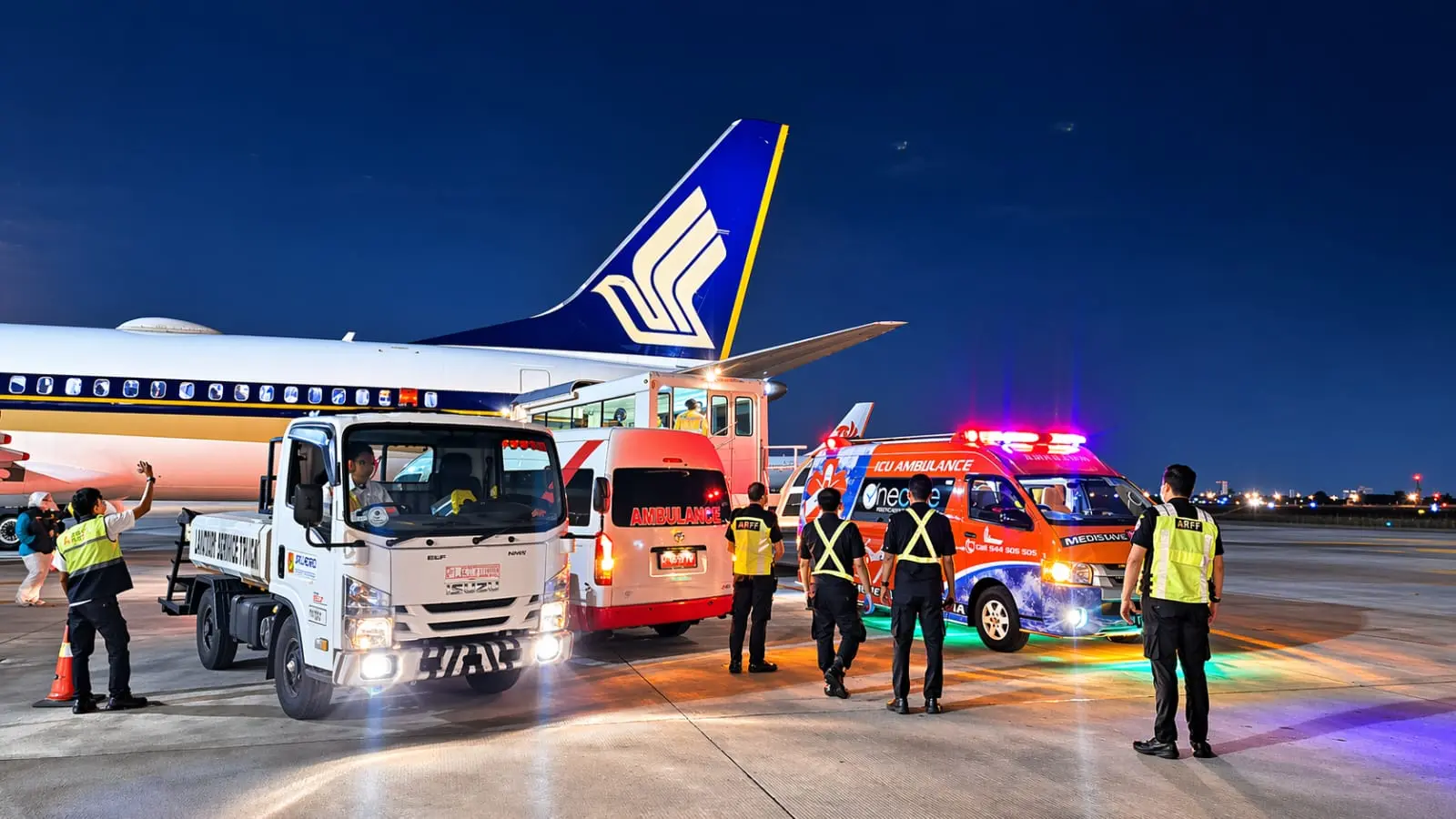
Not every operator offers the same aircraft, medical crew, or hospital relationships. Compare how each one handles patient assessment, bedside-to-bedside transfers, and communication with your HR or security team. Our overview of medical evacuation providers in Indonesia explains what to look for when shortlisting a partner.
Setting Up Round-the-Clock Response
Emergencies rarely wait for office hours. Your plan should name a single activation number, a decision-maker who can approve a transfer, and a backup if that person is unreachable. To understand how continuous coverage works in practice, see our guide to 24/7 medical evacuation in Indonesia.
Funding Evacuation Through Insurance
Even the best operational plan stalls if nobody knows who pays. Aligning your insurance with your evacuation arrangements removes hesitation at the moment it matters most.
What Policies Should Include
Check whether your group health or travel policy explicitly covers air and ground transfer, escort by medical staff, and repatriation. Look closely at exclusions, pre-approval rules, and any caps per incident. A policy that reimburses only after the fact can leave a traveler waiting while paperwork is sorted.
Keeping Costs Predictable
Evacuations can be expensive, and unplanned bills strain budgets and morale. Agreeing on coverage limits and approval steps in advance lets your team act first and settle later. Employees who know they are protected also tend to report symptoms earlier, which often makes the situation easier to manage.
Keeping the Plan Current
A plan that sits in a drawer will fail when it is needed. Build in a simple routine:
- Brief every traveler on the activation number before departure.
- Run a short tabletop exercise once a year with HR, security, and management.
- Update hospital contacts and route options whenever your operations move.
- Review each real incident afterward and adjust what slowed you down.
Coordinated Care From Start to Finish
Good evacuation work is not simply moving a patient from point A to point B. Effective corporate medical evacuation Indonesia support means every step of the medical journey is coordinated, from the first assessment through the flight or ground transfer, so the patient receives the right treatment until they arrive at the destination facility.
Speak with the One Care Bali team about building a plan that fits your people and locations:
- Call us directly at +62 812-6050-5505 to discuss your requirements.
- Visit our office at Jl. Sedap Malam No.110A, Kesiman, Kec. Denpasar Tim., Kota Denpasar, Bali 80237 for an in-person consultation.
Protecting employees abroad comes down to preparation, clear responsibility, and partners who respond without delay. Companies that settle these details early give their teams the confidence to focus on their work, knowing that help will reach them if something goes wrong.