Medical emergencies can occur unexpectedly while traveling or working in Indonesia. When a patient requires specialized treatment or transportation to a suitable medical facility, medical evacuation providers Indonesia play an important role in coordinating the necessary assistance. These services help connect patients with medical professionals, transportation resources, and healthcare facilities based on their medical needs and circumstances.
Understanding how medical evacuation providers operate can help travelers, expatriates, businesses, and insurance companies prepare for unexpected situations. From arranging ground ambulance transfers to coordinating air medical transport, these providers help facilitate access to appropriate medical care across Indonesia’s diverse geographical regions.
The Role of Medical Evacuation Providers Indonesia
Medical evacuation providers coordinate the movement of patients who require medical attention beyond what is readily available at their current location. Their responsibilities may involve assessing transportation requirements, identifying suitable medical facilities, and coordinating the medical personnel and resources needed for a transfer.
Indonesia’s geography presents particular challenges for medical transportation. The country consists of thousands of islands, and access to advanced healthcare facilities can vary significantly between major cities, smaller islands, and remote destinations. Medical evacuation coordination helps address these challenges by organizing transportation and medical support according to each patient’s condition.
Coordinating Medical Care and Patient Transfers
Medical evacuation generally begins with an assessment of the patient’s condition and the medical resources available nearby. Healthcare professionals and assistance coordinators evaluate whether the patient can receive appropriate treatment locally or requires transportation to another facility.
Depending on the circumstances, coordination may involve:
- Communicating with the treating hospital and medical personnel.
- Identifying an appropriate receiving medical facility.
- Arranging ground or air transportation based on clinical requirements.
- Coordinating medical escorts and necessary equipment.
- Managing communication among patients, families, insurers, and healthcare providers.
These arrangements help ensure that patient transfers are planned around medical requirements rather than transportation availability alone.
Types of Medical Evacuation Services Available in Indonesia
Medical evacuation providers may coordinate several forms of transportation, depending on the patient’s condition, location, and destination. Understanding these services can help travelers and organizations recognize the available options during a medical emergency.
Ground Ambulance Transportation
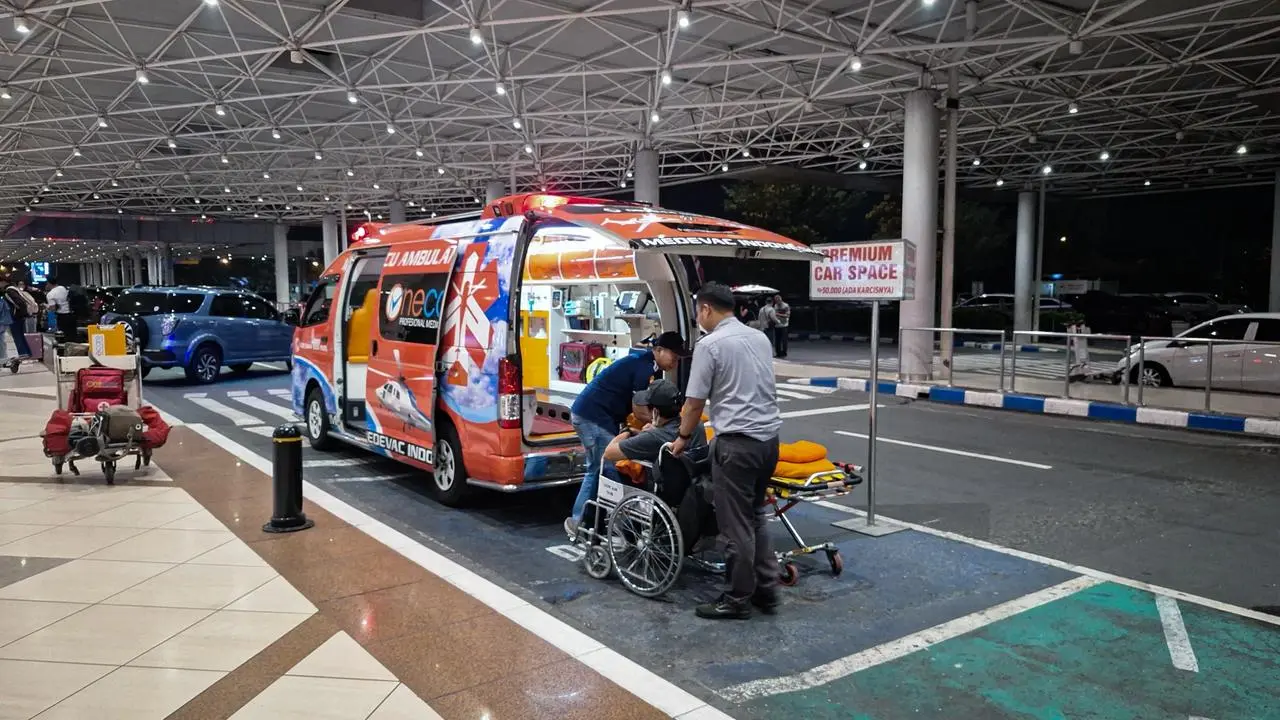
Ground ambulances are commonly used to transport patients between accommodation, healthcare facilities, and airports. They may also facilitate transfers between hospitals when a patient requires treatment at a facility with more appropriate medical capabilities.
The level of medical support available during transportation depends on the ambulance, the patient’s condition, and the medical team assigned to the transfer. For this reason, the appropriate transportation arrangement should be determined through medical assessment.
Air Ambulance and Medical Flights
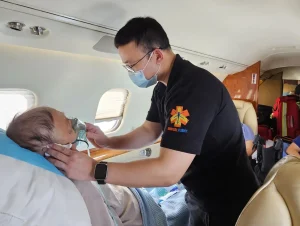
Indonesia Air ambulance services may be necessary when a patient requires specialized care that is unavailable locally or when geographical conditions make ground transportation impractical.
Depending on the patient’s medical condition and the available resources, transportation may involve a dedicated air ambulance or a medically supported transfer using another suitable flight arrangement.
Air medical transfers require careful coordination, including clinical assessment, aircraft availability, receiving hospital arrangements, and any necessary flight permissions. Weather, airport access, and operational conditions can also influence the feasibility and timing of an evacuation.
Medical Repatriation and Inter-Hospital Transfers
Some patients require transportation to another city or country for continued treatment or recovery closer to their home. This process may be arranged as medical repatriation when the circumstances and clinical requirements permit.
Other patients may need an inter-hospital transfer within Indonesia to access specialized treatment. In both situations, medical teams must evaluate the patient’s fitness for transport and determine the appropriate level of support throughout the journey.
How Medical Evacuation Coordination Works
Medical evacuation Indonesia involves several interconnected steps. Although the exact procedure varies according to the patient’s condition and the circumstances of the emergency, the following stages provide a general overview.
1. Initial Medical Assessment
The process begins with collecting information about the patient’s condition, current treatment, location, and medical requirements. The treating healthcare team may provide clinical reports to help determine whether transportation is medically appropriate.
2. Transportation and Hospital Arrangements
Once the patient’s requirements have been assessed, the coordination team identifies suitable transportation options and a receiving medical facility. The decision depends on the urgency of the case, the patient’s stability, available medical resources, and the distance involved.
3. Insurance and Assistance Coordination
When insurance or an assistance provider is involved, the relevant teams may review policy benefits, authorization requirements, and payment arrangements. Coverage depends on the individual policy, including its limits, exclusions, and applicable approval procedures.
Travelers should understand that contacting an assistance provider does not automatically guarantee insurance coverage. Confirmation from the insurer or authorized assistance team may be necessary before non-urgent transportation arrangements proceed.
4. Patient Transfer and Continuity of Care
Before transportation begins, the medical team coordinates the transfer plan, necessary equipment, medical documentation, and communication with the receiving facility. During the journey, the assigned medical personnel provide care appropriate to the patient’s condition and the agreed transport arrangements.
The objective is to maintain continuity of care from the original treatment facility to the destination.
What Travelers and Businesses Should Prepare Before an Emergency
Preparation can make medical assistance easier to coordinate when an unexpected situation occurs. Travelers, expatriates, and companies sending employees across Indonesia should consider several practical measures.
- Review insurance coverage: Check whether the policy includes medical evacuation, medical repatriation, and transportation to another hospital.
- Keep medical records accessible: Maintain relevant medical history, medication information, identification, and emergency contact details.
- Save assistance contacts: Keep the insurer’s emergency assistance number and relevant local emergency contacts readily available.
- Understand authorization requirements: Determine whether the insurer must approve an evacuation before arrangements are made, except where immediate emergency care takes priority.
- Share travel information: Businesses should establish communication procedures for employees traveling to locations with limited healthcare access.
During a life-threatening emergency, seek immediate local emergency medical assistance rather than delaying treatment while arranging insurance or evacuation logistics.
Choosing Medical Evacuation Support for Your Needs
When seeking medical evacuation assistance, it is important to understand the scope of services available and the provider’s role in coordinating patient care. Relevant considerations include access to medical coordination, experience with the intended route, transportation capabilities, communication procedures, and the ability to work with healthcare facilities and insurers.
Travelers and organizations should also clarify which services are provided directly and which are arranged through external medical teams, ambulance operators, or aviation partners. This distinction helps establish realistic expectations regarding the coordination process and available resources.
For additional information about medical evacuation assistance and support in Indonesia, visit One Care Partner. The website provides a starting point for exploring medical evacuation services and understanding the assistance available for patients who require coordinated medical transportation.