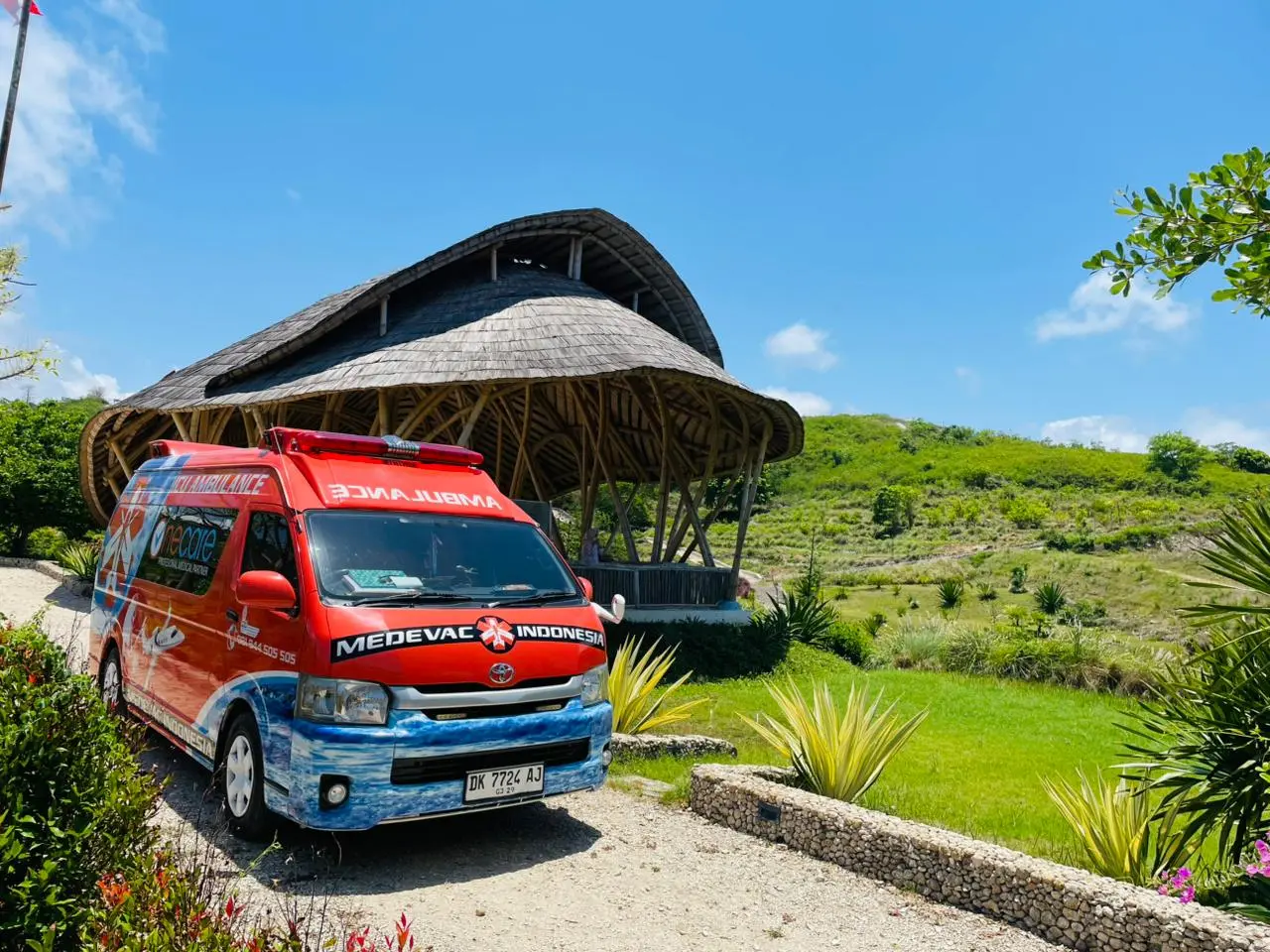
Medical evacuation solutions Indonesia travelers, residents, and companies rely on have to cover a lot of ground, quite literally. Spread across thousands of islands with uneven hospital access, the country needs transfer options that match each patient’s condition and location. This guide walks through how those options work and what makes them effective.
Why Medevac Matters Across the Islands
Indonesia stretches across thousands of islands, and the quality of nearby healthcare can change sharply from one place to the next. A traveler hurt on a remote beach or a worker taken ill at an offshore site may be hours away from the care they need.
Medical evacuation, or medevac, closes that distance by moving a patient to a suitable facility with medical support along the way. The right method depends on how stable the patient is, how far the hospital is, and what the terrain allows.
Medical Evacuation Solutions Indonesia Uses
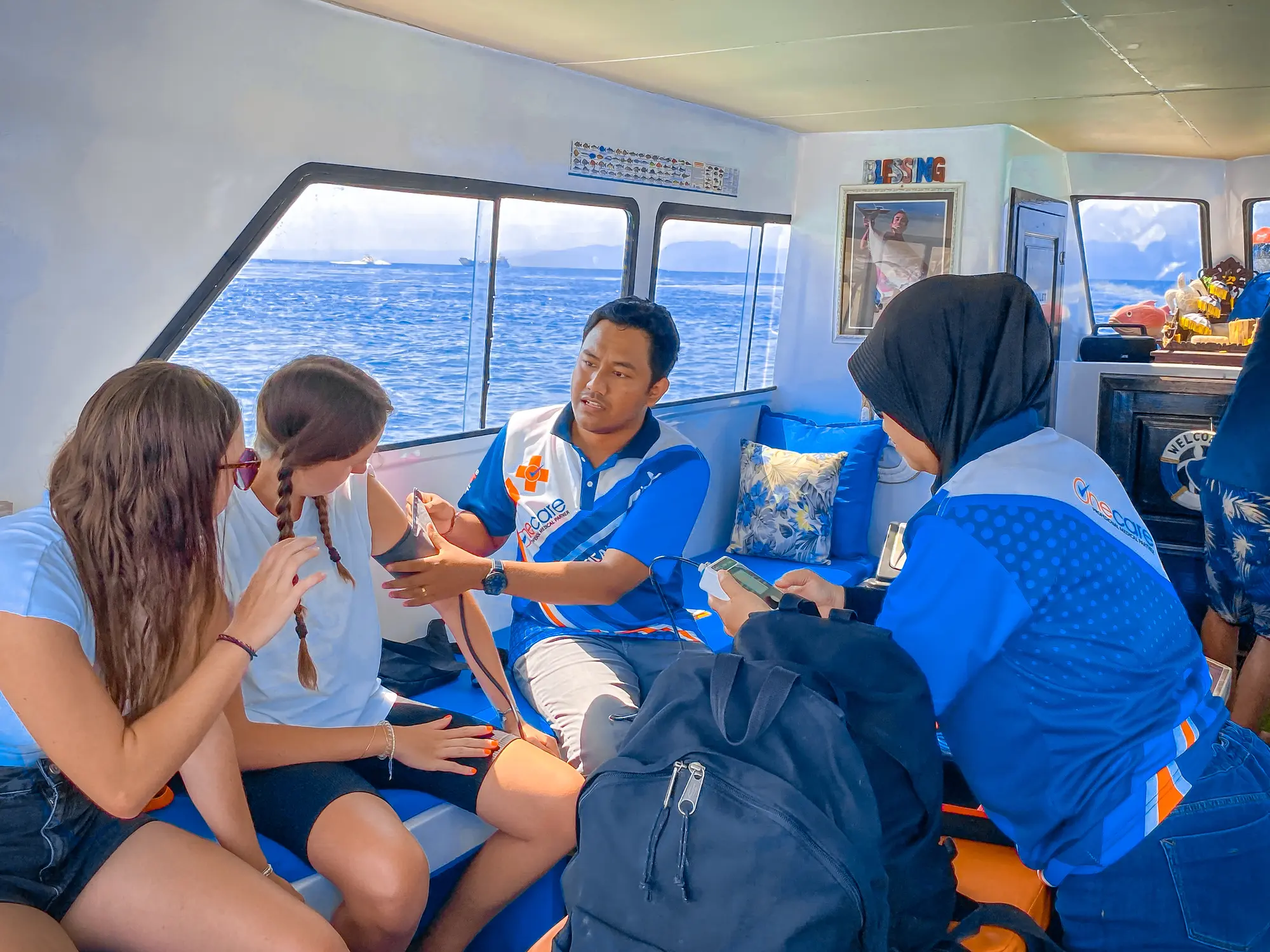
No single vehicle fits every emergency. Providers match the transport mode to the patient’s condition, the distance involved, and local access, which is why three main options are used side by side.
Air Ambulances for Remote Islands
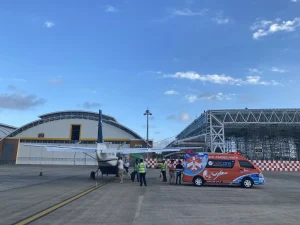
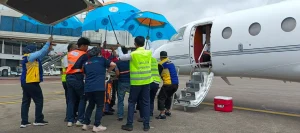
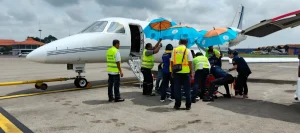
When a patient is critical or far from a capable hospital, flying is often the fastest route. Helicopters handle shorter hops between islands, while fixed-wing jets cover longer distances, both carrying monitoring equipment and a medical crew. To see how this works for island-based cases, take a look at how emergency air transport in Bali is arranged.
Ground Ambulances in Urban Areas
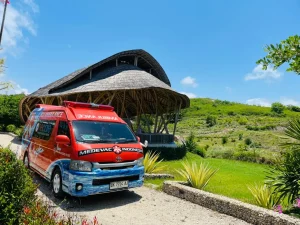
In cities and towns with decent roads, a well-equipped ambulance remains the practical choice for moving patients between hospitals or to an airport. It also serves as the first and last leg of many longer journeys. For a wider look at road, air, and sea options, see this overview of emergency medical transport in Indonesia.
Boats for Coastal Communities
Many coastal villages and small islands are easier to reach by water than by air or road. Medical boats and rescue vessels carry patients to the nearest port, where an ambulance or aircraft can take over. For stable patients, this relay keeps costs lower and avoids unnecessary flights.
How Emergency Planning Saves Time
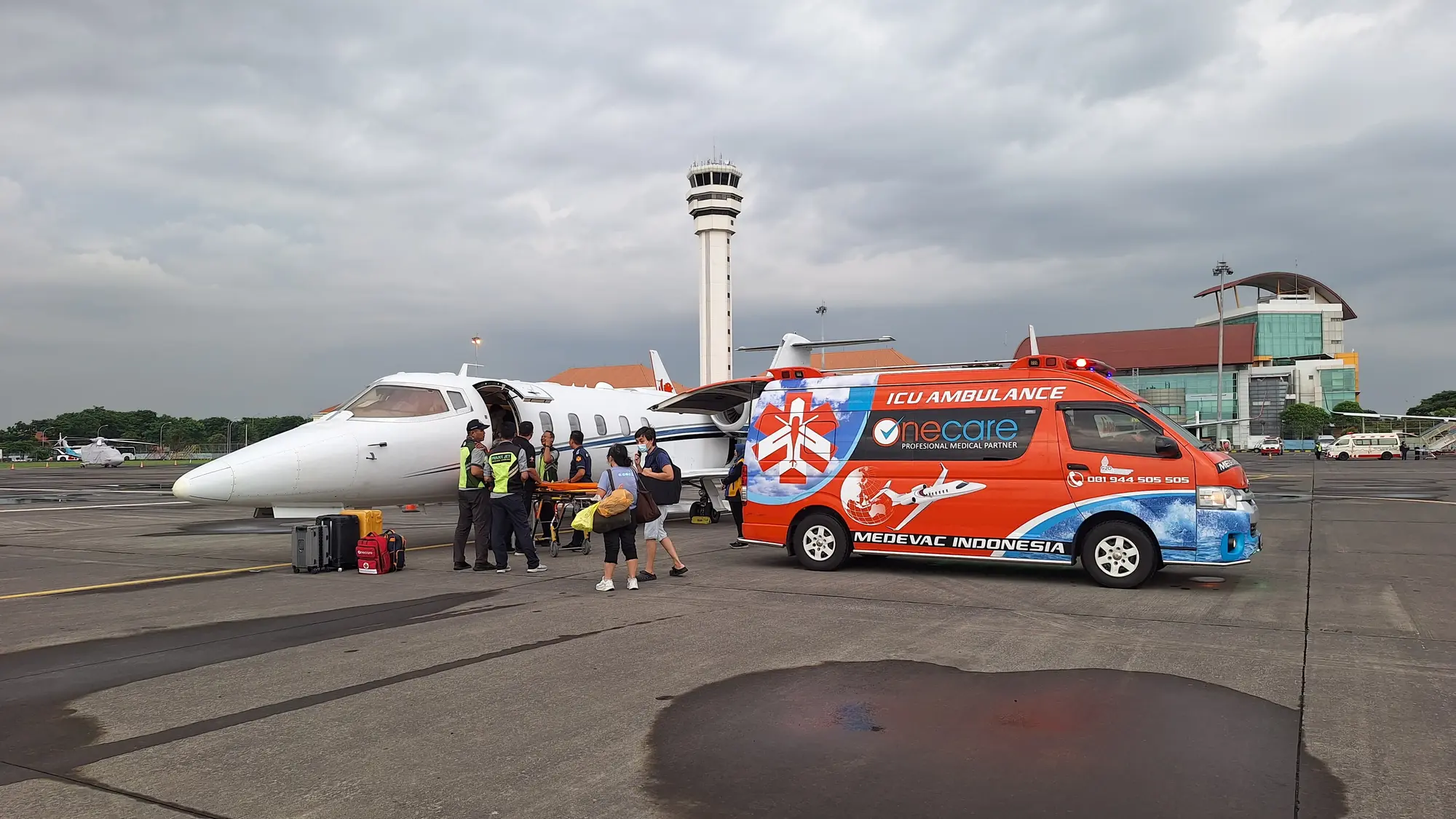
A fast response rarely happens by luck. Hotels, hospitals, tour operators, and companies that prepare before an incident can hand a patient to responders in minutes rather than hours.
Mapping Risks Before a Crisis
Start by listing the incidents most likely at your location, such as diving accidents, volcanic activity, floods, or road collisions. Then note the nearest capable hospitals and how long each route takes in good and bad conditions.
Writing a Clear Response Protocol
A written protocol tells every person who to call, what information to share, and who authorizes the transfer. Keep it short enough to follow under stress, and update it whenever contacts, staff, or facilities change.
Training Staff With Regular Drills
Practice turns a document into habit. Short, regular drills help teams find gaps such as outdated phone numbers or unclear roles, and involving local authorities and clinics makes a real response much smoother.
Digital Medical Evacuation Solutions Indonesia
Technology has changed how quickly teams can act. Telemedicine lets a doctor assess a patient remotely and advise on stabilization before any vehicle arrives, while GPS tracking gives coordinators a live view of every aircraft, boat, and ambulance involved.
Behind the scenes, a coordination team usually handles several tasks at once:
- Choosing the transport mode and route that fit the patient’s condition
- Scheduling aircraft or vessels and confirming landing or docking permissions
- Checking that medical equipment and oxygen supplies are ready and working
- Alerting the receiving hospital so staff are waiting on arrival
- Supporting insurance paperwork so families can focus on the patient
When these tasks run in parallel instead of one after another, the gap between the first call and the patient’s arrival shrinks noticeably. Clear communication between every party keeps the whole journey on track.
Coordinated Care From Call to Arrival
Strong medical evacuation solutions Indonesia patients can depend on go beyond moving someone from point A to point B. Every stage, from the first call and bedside stabilization to the handover at the destination, must be coordinated so the patient receives the right treatment until they reach the receiving facility.
- Chat directly with the team on WhatsApp: https://wa.me/6281260505505
- Visit our office: Jl. Sedap Malam No.110A, Kesiman, Kec. Denpasar Tim., Kota Denpasar, Bali 80237
- Send your case details by email: emergency@onecarepartner.com
Whether you are planning a trip, managing a workforce, or running a clinic, preparing for the unexpected is far easier before it happens. A clear plan and a dependable partner make all the difference when every minute counts.