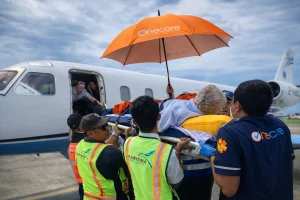
A serious illness or injury far from home raises an urgent question: how do you get the patient to the right hospital safely? Understanding medical repatriation options in Indonesia before a crisis happens lets travelers, families, and employers act quickly instead of improvising under pressure. This guide walks through the main transport choices, what changes when the patient is in Bali, and how to prepare in advance.
Medical Repatriation Options in Indonesia
Repatriation means moving a patient back to their home country, or to a better equipped facility, so treatment can continue without interruption. The right method depends on how stable the patient is, how far they must travel, and what medical support is needed along the way.
When Repatriation Becomes Necessary
Doctors usually recommend repatriation when local care cannot match what the patient needs, such as complex surgery, long rehabilitation, or specialist monitoring. Family support and language comfort also carry weight, especially when recovery will take weeks or months. The treating physician’s assessment should always guide the final decision.
Air Ambulance vs Commercial Escort

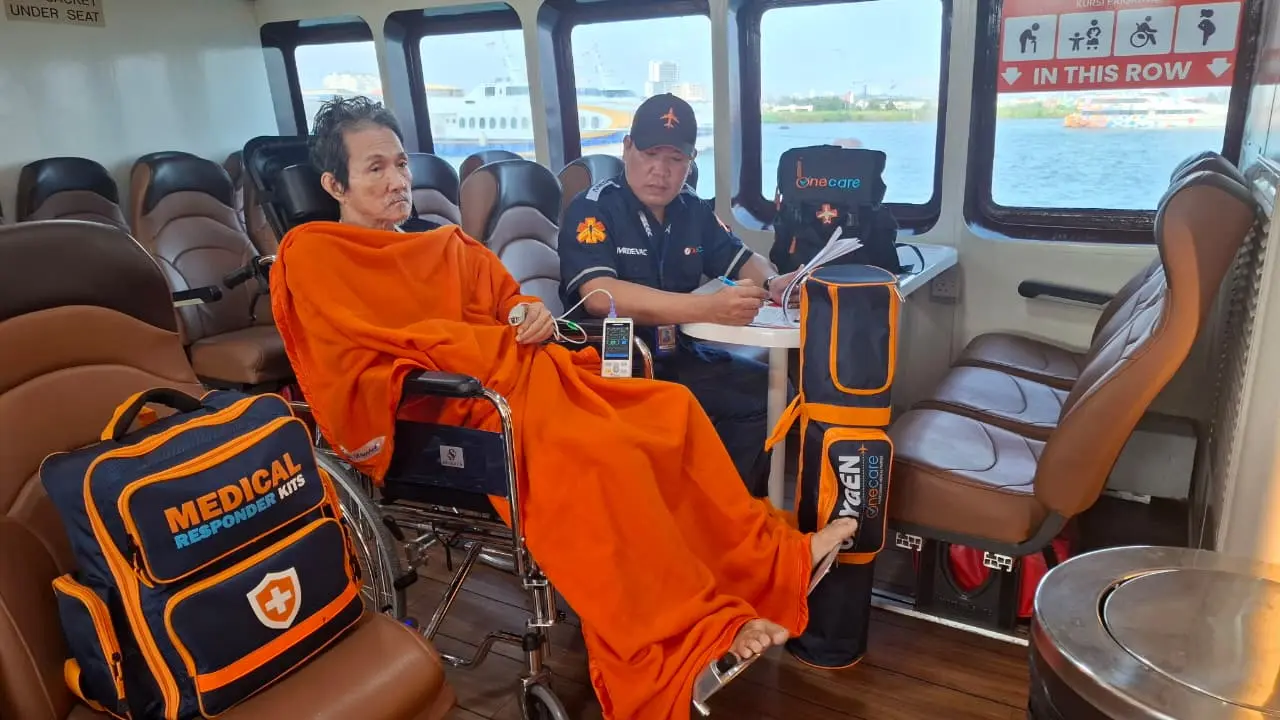
Air ambulances are equipped like a small intensive care unit and suit critical or unstable patients who need continuous monitoring in the air. A commercial flight with a medical escort can work for stable patients who need a stretcher or close supervision, and it often costs less. The second route usually requires medical clearance from the airline before booking.
Ground Transfer Before the Flight
Most repatriations begin on the road. An ambulance carries the patient from the hospital to the airport, and the handover has to match the flight schedule and onboard equipment. Gaps in this leg cause the delays travelers rarely expect, so the ground transfer deserves as much planning as the flight itself.
Repatriation Support Across Bali
Bali welcomes visitors all year, and its hospitals are used to treating patients from many countries. Still, serious cases often need a coordinated plan that goes beyond the emergency room. Our overview of medical evacuation options in Bali explains the transport side in more depth, while this section focuses on how repatriation decisions are handled on the island.
Hospital-to-Airport Coordination
Patients in Bali are often stabilized at a local hospital before they travel. The hospital team, the evacuation provider, and the airport must agree on timing, documents, and equipment so the move from bed to aircraft stays smooth. Traffic and distances on the island make it worth confirming this schedule early.
Staying Local or Heading Home
Not every patient needs to leave Bali. Some recover well on the island, while others do better continuing care near family and their own doctors. The treating team, the insurer, and the family should weigh stability, cost, and recovery needs together before committing to either path.
Working With an Evacuation Provider
A dedicated provider handles the medical team, aircraft or flight booking, permits, and communication with the receiving hospital. This takes pressure off families who are already under stress. It helps to ask what is included, who is on the medical team, and how updates are shared during the journey.
Prepare Medical Repatriation Options in Indonesia
Insurance is the piece most travelers overlook. Many policies mention repatriation, but limits, exclusions, and approval steps differ widely between providers. Reading the fine print now avoids disputes later, and it clarifies whether the insurer arranges transport itself or only reimburses what you arrange.
- Check that both evacuation and repatriation are covered, and note the maximum limit.
- Look for exclusions such as pre-existing conditions or adventure activities.
- Confirm whether the insurer must approve the provider before transport begins.
- Save the insurer’s 24-hour assistance number where you can reach it offline.
Practical Checklist Before You Travel
A short checklist can save hours when something goes wrong far from home. If you travel often or manage a group, pair it with a broader approach to medical evacuation planning in Indonesia so every person involved knows their role.
- Keep digital copies of your passport, insurance policy, and emergency contacts.
- Carry a summary of your medical history and current medications.
- Note nearby hospitals and the contact details of your evacuation provider.
- Tell a family member or manager who should be called first.
- Review the plan before each trip, especially when your activities change.
Coordinated Care From Start to Finish
A medical evacuation service is not simply about moving a patient from one place to another. It is about making sure every stage of the medical journey is coordinated, from the first assessment to the handover at the destination, so the patient receives the right treatment until arrival at the receiving facility. That is why it pays to review medical repatriation options in Indonesia early. To discuss a case or ask about support, reach One Care Bali through the channels below.
- WhatsApp: https://wa.me/6281260505505
- Alamat One Care Bali: Jl. Sedap Malam No.110A, Kesiman, Kec. Denpasar Tim., Kota Denpasar, Bali 80237
- Email: emergency@onecarepartner.com
Emergencies rarely give warning, but the way you respond to them can be prepared well in advance. A clear plan, the right cover, and a provider you can reach quickly make the difference between a stressful scramble and a calm, well-managed transfer for the patient and the people who care about them.