When an employee falls ill or gets injured far from home, the first hour often shapes everything that follows. Understanding emergency medical response Indonesia is therefore a practical business concern, not just a travel formality. Companies that send teams to the archipelago need to know who answers a call for help, how patients reach the right facility, and what their own people should do before professional help arrives.
Emergency Medical Response Indonesia Basics
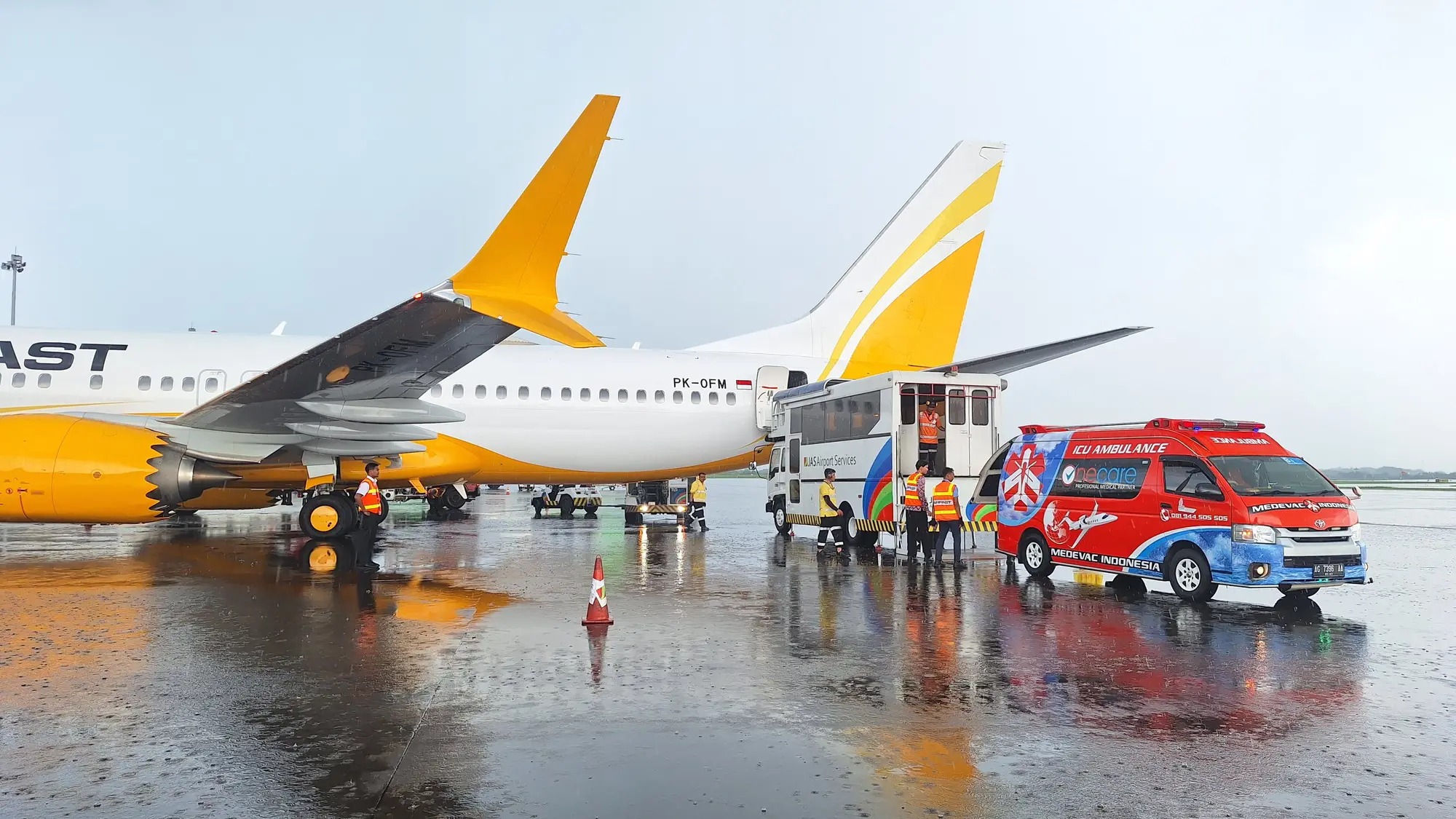
Indonesia spans thousands of islands, and the quality of emergency care varies sharply between a major city and a remote district. A clear picture of the local system helps managers set realistic expectations before anyone boards a flight.
Who Responds First
In most cases, the first people on the scene are bystanders, hotel or office staff, and local ambulance crews. Public hospitals and private clinics each run their own dispatch arrangements, and response times depend heavily on traffic and distance. Knowing which facilities are closest to your staff’s work sites and lodging is more useful than relying on a single national hotline.
Where Gaps Often Appear
Common weak points include language barriers, uneven equipment on ambulances, and delays in reaching specialist care. Patients in smaller towns may need stabilizing locally before moving to a larger hospital. Companies that map these gaps in advance can arrange backup options rather than improvising during a crisis.
Working With Hospitals
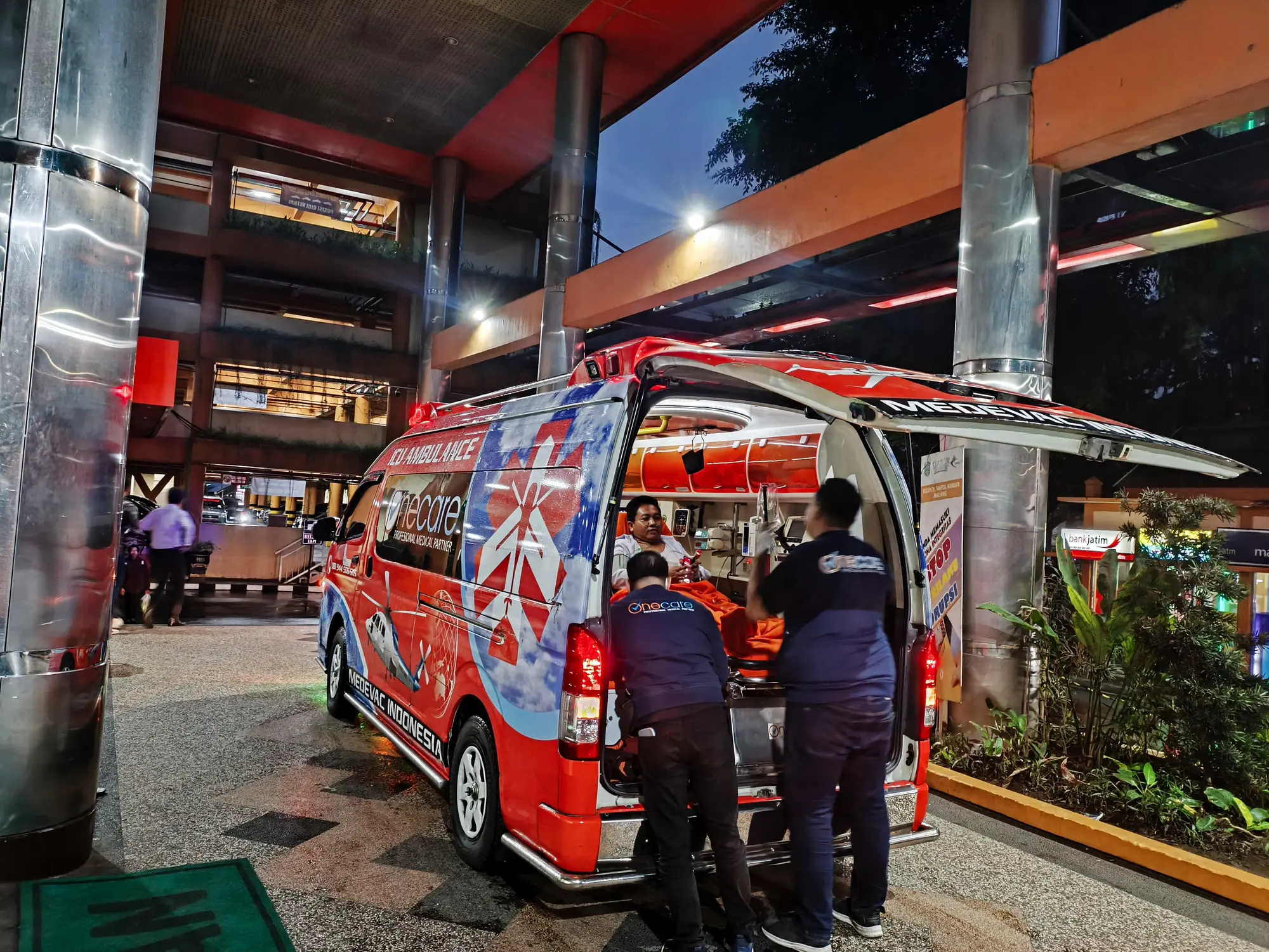
Strong relationships with hospitals make transfers smoother, from sharing medical histories to confirming bed availability. Learning how air ambulance partnerships with hospitals in Indonesia support this coordination can show why pre-arranged links matter when time is short.
Preparing Staff for Medical Emergencies
Systems on paper only work if employees know how to use them. Preparation turns scattered information into habits people can follow under stress.
Building a Simple Protocol
A good protocol fits on one page. It should state who to call first, who informs the company, and where insurance details are kept. Include a short list of nearby hospitals and an after-hours contact for your travel or HR team. Review it every few months, since phone numbers and facility capabilities change.
Training Employees
Short, regular sessions beat long annual lectures. Useful topics include:
- Recognizing warning signs such as chest pain, severe bleeding, or sudden confusion
- Giving basic first aid until responders arrive
- Explaining location clearly to a dispatcher, even without fluent Indonesian
- Knowing which documents and insurance cards to carry
Travel Support Tools
Travelers benefit from a pocket kit: emergency contacts, offline maps with hospital pins, and a summary of allergies and medications. Pair this with a 24/7 assistance line so staff never feel they are handling a situation alone.
When Evacuation Becomes Necessary
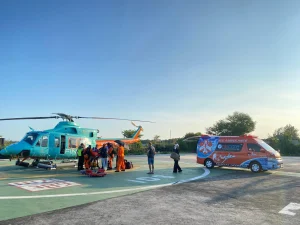
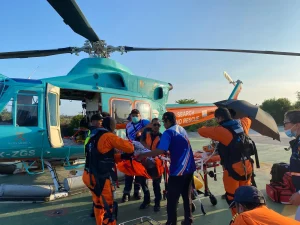
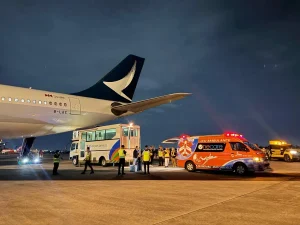
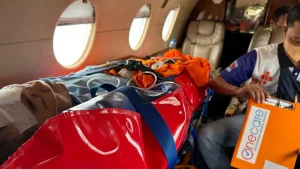
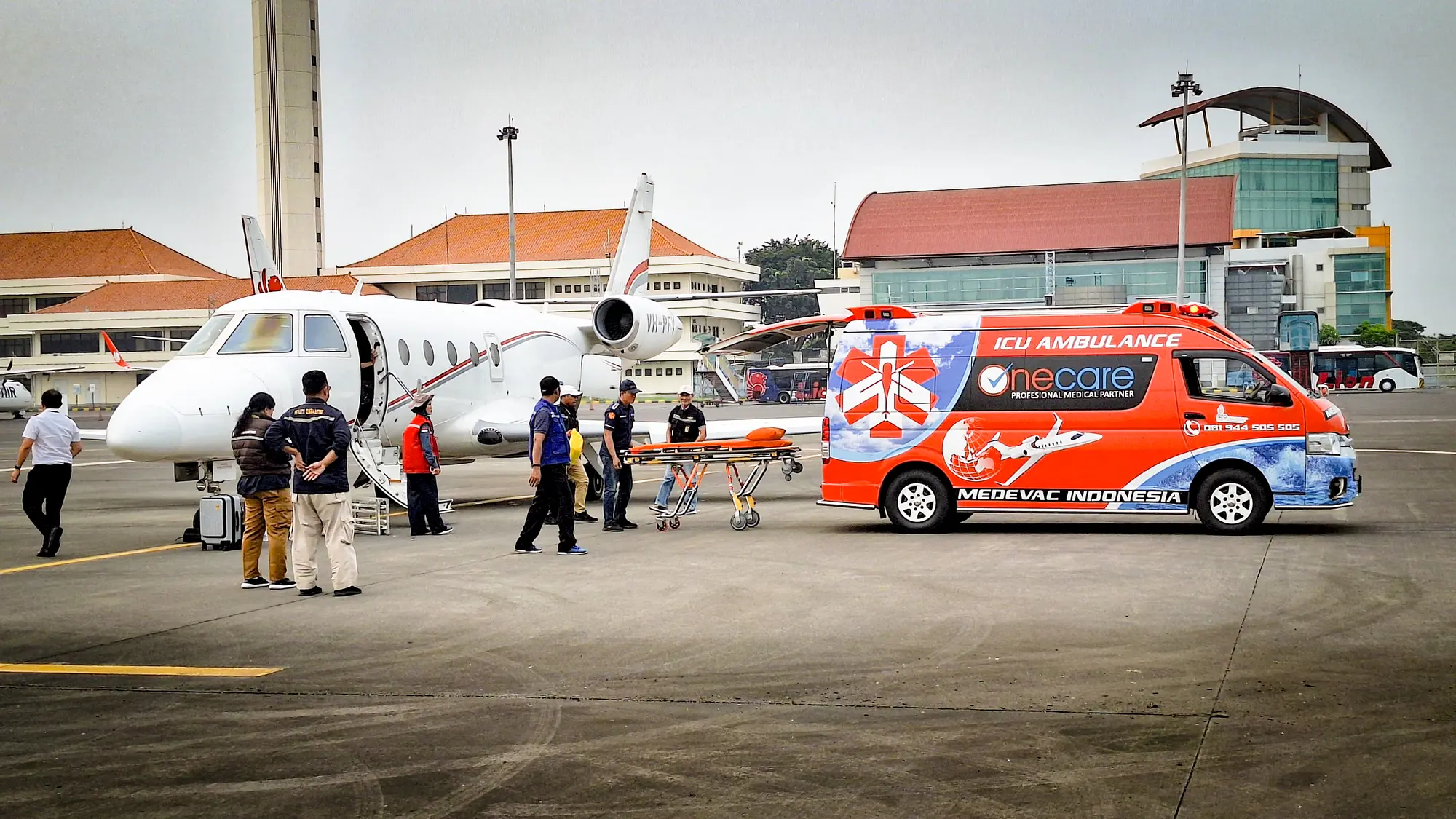
Not every emergency can be resolved at the nearest clinic. When a patient needs advanced treatment, a transfer by road, sea, or air may be the safest option, and the choice depends on the patient’s condition, distance, and weather. This is where emergency medical response Indonesia planning meets logistics: someone has to decide the transport mode, brief the receiving hospital, and keep the employer informed. Companies exploring long-distance options can read more about emergency air transport in Indonesia to understand what is realistically available.
Coordinated Care From Pickup to Arrival
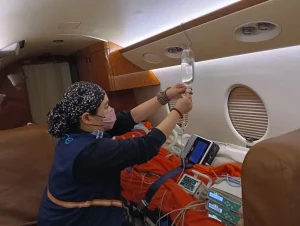
Medical evacuation is more than moving a patient from one place to another. Each step, from the first assessment to handover at the destination hospital, needs to be coordinated so the patient receives the right treatment all the way through. That means matching the medical team to the case, confirming the receiving facility in advance, and keeping everyone informed along the way. Companies that treat emergency medical response Indonesia as a connected process, rather than a set of separate services, give their people a far better chance at a safe recovery.
If you want to talk through your company’s needs, reach out to One Care Bali:
- Call us directly at +62 812-6050-5505 for guidance or immediate assistance.
- Visit our office at Jl. Sedap Malam No.110A, Kesiman, Kec. Denpasar Tim., Kota Denpasar, Bali 80237 to discuss your plans in person.
Preparation will never remove every risk, but it does remove much of the confusion. A team that knows who to call, where to go, and how help will reach them can act calmly when it matters most.