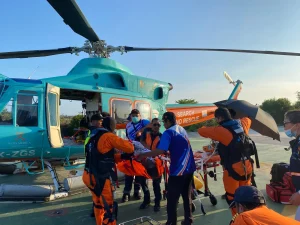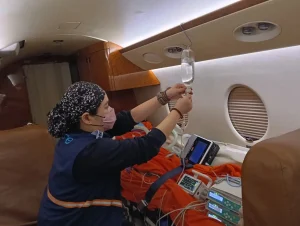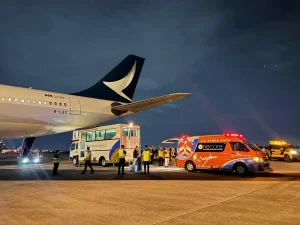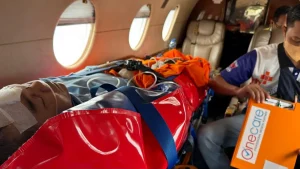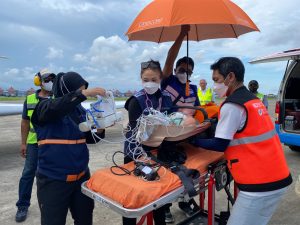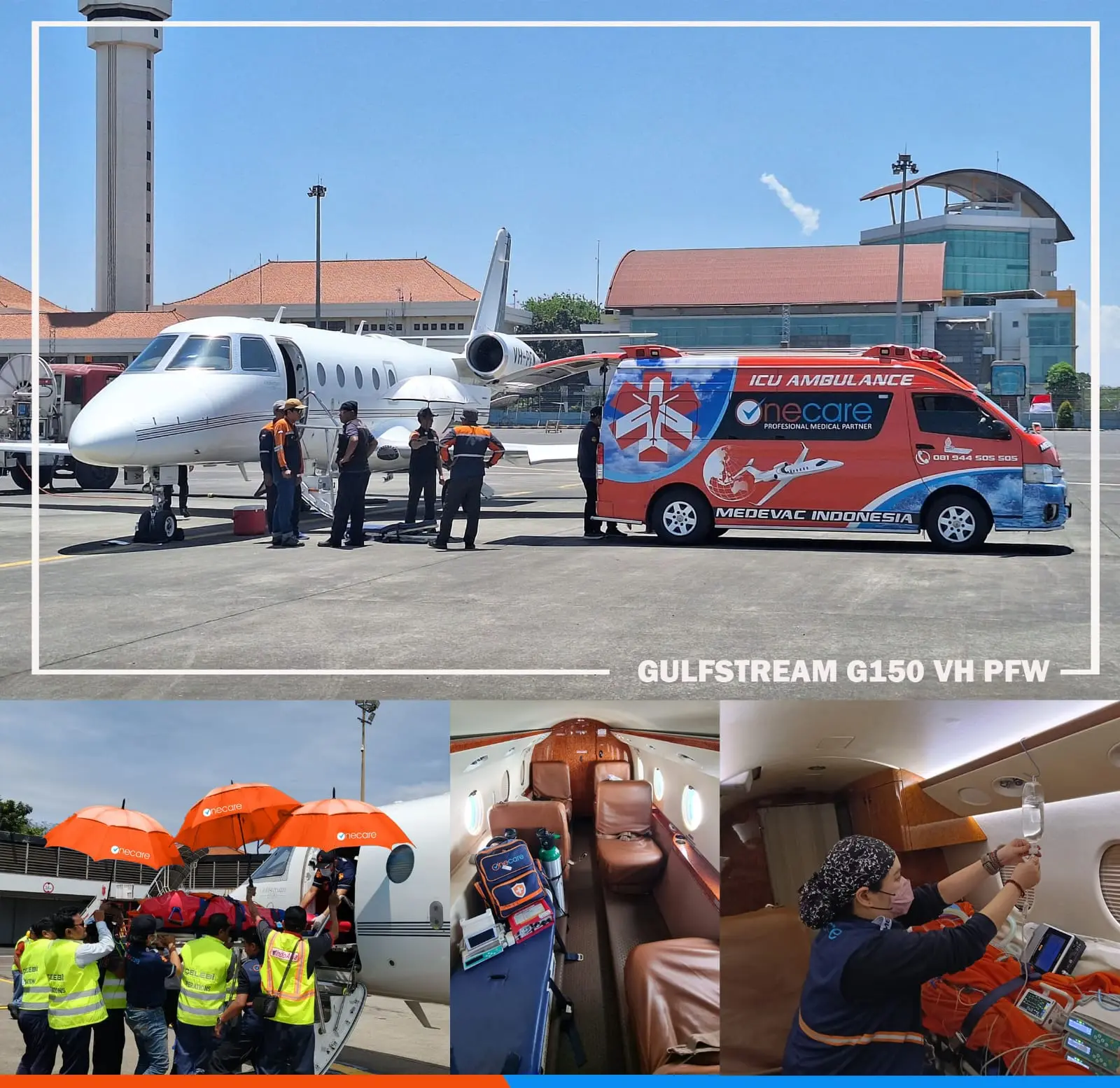
In Indonesia, the need for emergency air transport Indonesia services has become increasingly critical due to the vast geography and diverse range of medical emergencies. From natural disasters to serious medical conditions, rapid medical evacuation and patient transport services can save lives. This article explores the process and importance of emergency air transport in Indonesia, and how it helps manage medical emergencies effectively.
Emergency Air Transport Indonesia: Exploring the Process and Importance for Medical Emergencies
Emergency air transport refers to the use of aircraft to transfer patients who require immediate medical attention. In Indonesia, the logistics involved in this process are multi-faceted and require comprehensive planning, coordination among multiple parties, and strict compliance with aviation and healthcare regulations. The primary goal is to ensure that patients receive timely medical care, particularly in remote areas where ground transport may not be feasible. For a more detailed breakdown of how these operations work, see our complete guide to air ambulance services in Indonesia.
The process typically unfolds through several coordinated stages:
- Patient Assessment — Medical professionals evaluate the patient’s condition to determine whether critical care air transport is required, or whether ground transport would suffice.
- Dispatch and Coordination — Once air transport is deemed necessary, a coordinating team — often involving a flight physician, dispatcher, and assistance company — works swiftly to arrange an air ambulance equipped to handle the specific medical emergency.
- Pre-Flight Preparation — The aircraft is stocked with the necessary medical equipment (ventilators, monitors, medication), and a qualified medical team boards to accompany the patient.
- In-Flight Medical Care — During transit, the medical team continuously monitors the patient’s vital signs and provides intervention as needed.
- Handover at Destination — Upon arrival, the patient is transferred to the receiving hospital’s emergency or intensive care team, complete with medical documentation to ensure continuity of care.
This is where the importance of emergency air transport in Indonesia becomes clear. As an archipelagic nation with thousands of inhabited islands and limited road infrastructure in many regions, Indonesia relies heavily on air transport to bridge the gap between remote communities and adequate medical facilities. Without efficient air ambulance logistics, patients in critical condition — from stroke and heart attack cases to severe trauma from accidents — may not survive the journey to definitive care. The efficiency of every stage, from dispatch to handover, directly determines patient outcomes, making emergency air transport not just a convenience but a lifeline for many Indonesians.
Key Benefits of Emergency Air Transport Services
Utilizing emergency air transport can significantly improve outcomes for patients in critical conditions. Here are some key benefits:
- Time Efficiency: Air transport reduces travel time, enabling patients to reach medical facilities much faster than traditional ground transport — critical during the “golden hour” of emergency care.
- Access to Remote Areas: In Indonesia’s archipelagic context, air transport provides access to remote islands and regions that are difficult or impossible to reach by land.
- Advanced Medical Care: Air ambulances are equipped with life-support systems, allowing for continuous medical monitoring and intervention during transit.
Challenges in Air Ambulance Operations
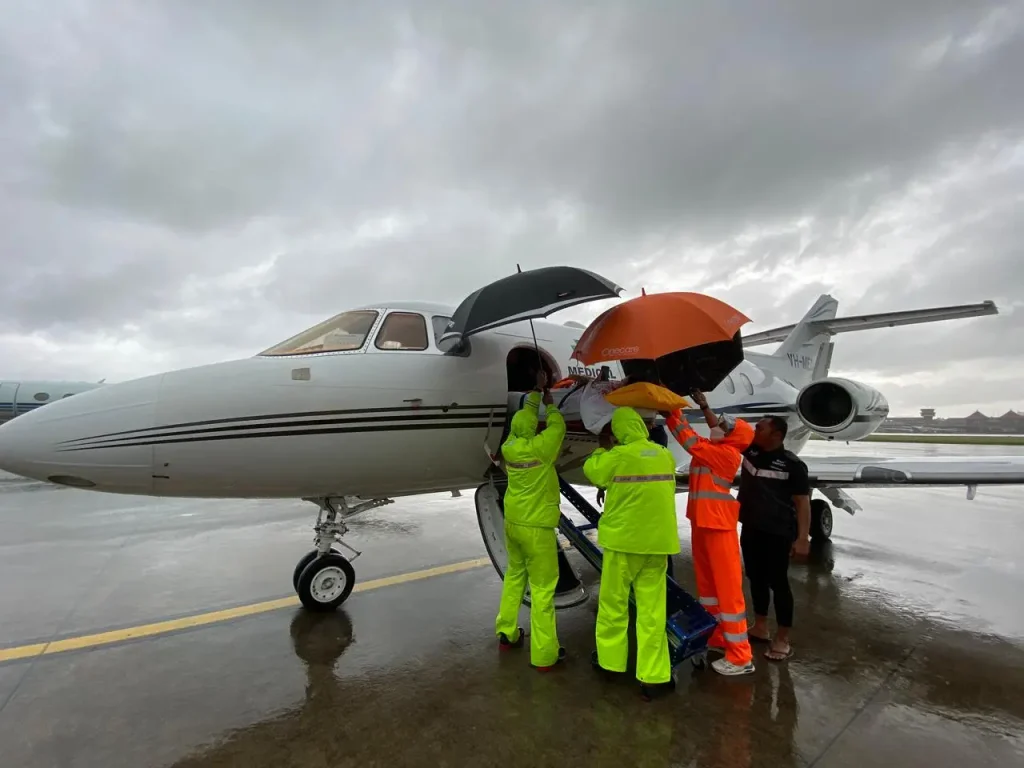
While the benefits of emergency air transport are substantial, there are challenges that need addressing. Some of the common issues include:
- Weather Conditions: Indonesia’s tropical climate and frequent storms can delay or hinder flights, impacting the timely transfer of patients.
- Cost Factors: The high cost of air ambulance services may not be covered by all insurance plans, leading to financial burdens on patients or their families.
- Regulatory Compliance: Navigating the regulations surrounding aviation and healthcare in Indonesia can be complex, requiring skilled professionals to manage these operations legally and safely.
How to Access Emergency Air Transport Services in Indonesia
Accessing emergency air transport services in Indonesia typically involves the following steps:
- Contact Medical Professionals: In a medical emergency, contact healthcare providers who can evaluate the patient’s condition and recommend air transport if necessary.
- Coordinate with Insurance Providers: Consult with your travel insurance provider or health insurance company to understand coverage for air transport services.
- Work with Assistance Companies: Many assistance companies specialize in arranging urgent patient transfers and can help coordinate logistics swiftly, including permits and hospital-to-hospital handovers.
For those seeking assistance, you can find our location on Google Maps to visit our office directly or coordinate emergency air transport services in person.
Frequently Asked Questions
Is emergency air transport covered by BPJS or private insurance in Indonesia? Coverage varies by provider. BPJS Kesehatan generally does not cover air ambulance services, so it’s important to check with private health or travel insurance providers beforehand.
How fast can an air ambulance respond in Indonesia? Response times depend on location, weather, and aircraft availability, but coordinated assistance companies can often mobilize within a few hours for urgent cases.
What conditions typically require emergency air transport? Common cases include severe trauma, stroke, heart attack, high-risk pregnancies, and situations where the patient is located in a remote area without adequate local medical facilities.
Conclusion
The role of emergency air transport in Indonesia is vital for ensuring that patients in critical conditions receive the care they need in a timely manner. Understanding the process, benefits, and challenges of emergency air transport in Indonesia can help individuals and families make informed decisions during medical emergencies. Always consult with your insurance provider and healthcare professionals in advance to ensure a seamless experience when accessing these essential services.