Strong medical evacuation planning Indonesia teams can rely on starts long before anyone falls ill. Across an archipelago of thousands of islands, a single medical event can happen hours away from a hospital that is equipped to treat it. Organizations that decide in advance who does what, how a patient travels, and where care continues are the ones that keep a bad situation from becoming a worse one.
Medical Evacuation Planning Indonesia Basics
A good plan is simply a set of decisions made calmly, so nobody has to improvise under pressure. In practice it covers three things: what could go wrong, what each person does when it does, and how the patient reaches the right facility.
Why Geography Shapes Your Plan

Indonesia’s healthcare quality varies sharply between major cities and outlying islands. A workplace in a regional hub may have a capable hospital twenty minutes away, while a site in a remote district may be a boat ride or a flight from the nearest intensive care unit. Your plan should start with this reality rather than with a generic template.
Mapping Risks Before They Happen
List the medical events your people are most likely to face based on where they work and travel: heat illness, road accidents, tropical infections, diving injuries, or complications of existing conditions. Then note the closest facility able to handle each one. If your staff travel often, the approach in medevac planning for corporate travelers is a useful companion for covering people who are on the move rather than at a fixed site.
Writing Protocols Staff Can Follow
Protocols only work if a stressed person can follow them. Keep them short and sequential:
- Who gives first aid and who calls for help
- Which numbers to dial, in what order
- Who decides that a transfer is needed
- How the patient will be moved, and who goes with them
- Who informs the family, the employer, and the insurer
Print them, post them on site, and store them on phones.
Preparing Your People and Your Partners
Even a well-written plan fails if the people behind it are untrained or the partners are unknown until the day of the emergency.
Training Staff for the First Minutes
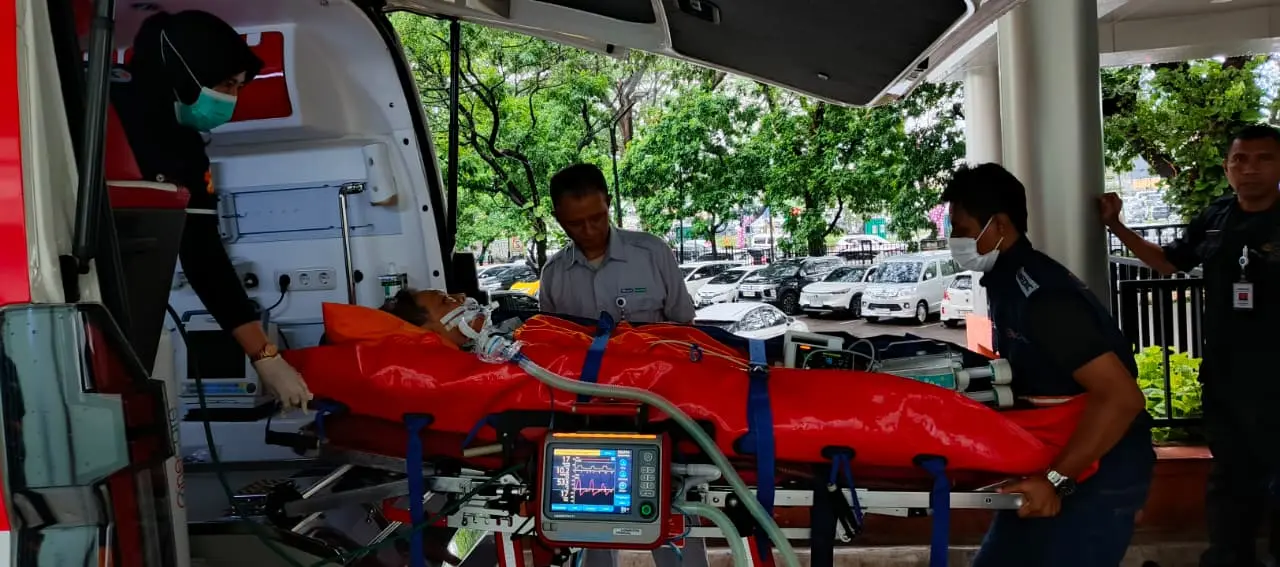
The first few minutes decide a great deal. Teach basic first aid and CPR to a meaningful share of your team, and run short scenario drills so that roles feel familiar. Include practice in giving clear information over the phone: the patient’s condition, exact location, and any known medical history.
Choosing Insurance and Assistance Partners
Check what your policies actually cover, including whether they pay for air transport, repatriation, and escort staff. Confirm that your assistance provider operates where your people do and can act on short notice. Cost questions are far easier to settle in advance than at a hospital bedside.
Keeping Logistics Ready Round the Clock
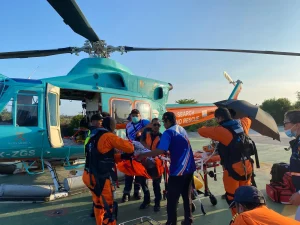
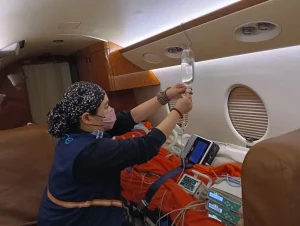
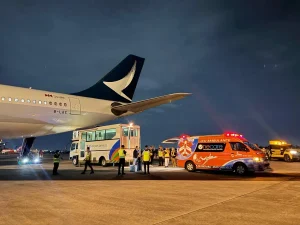
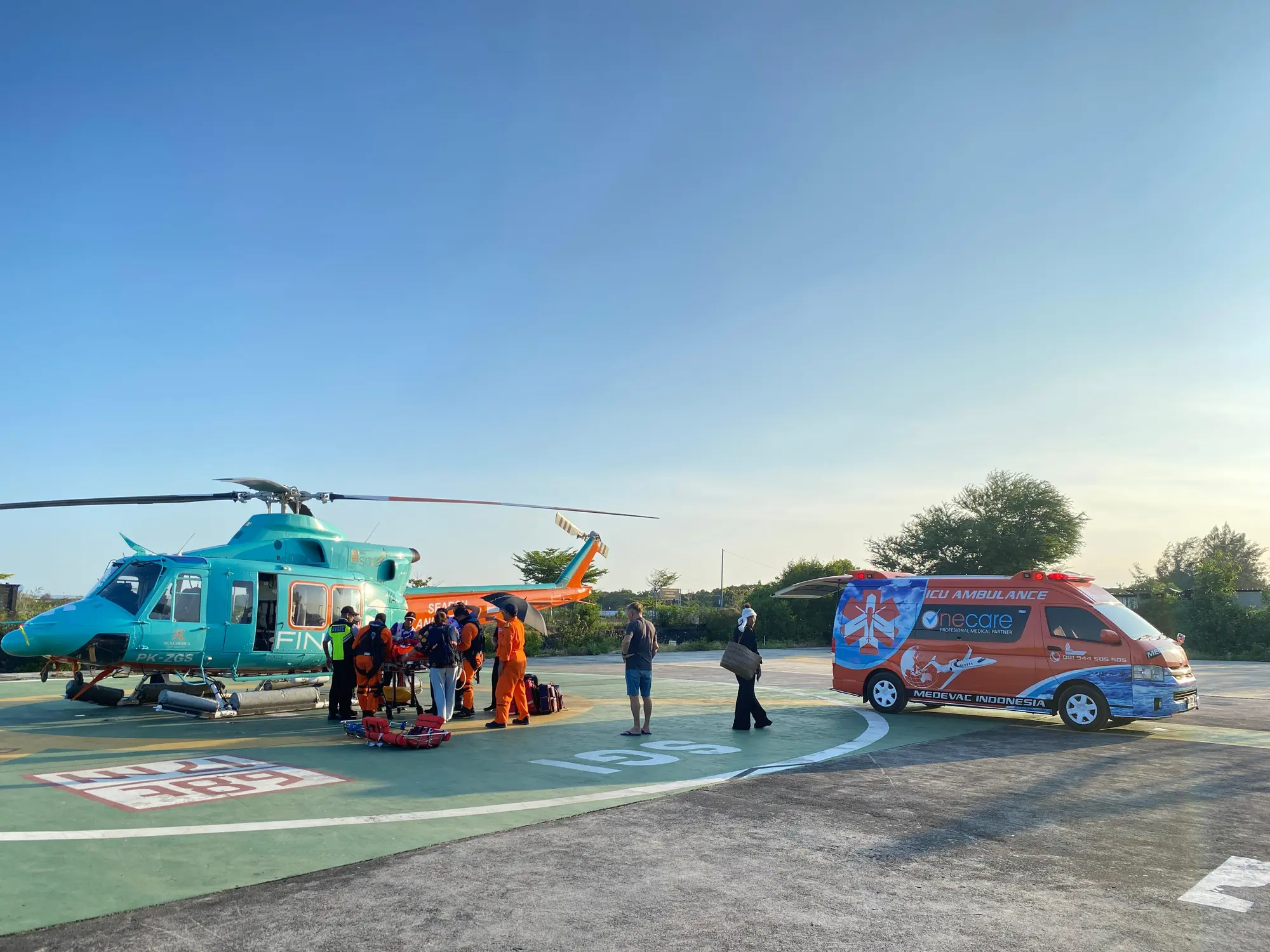
Ground ambulances, boats, and aircraft are only useful if they can be arranged quickly. For serious cases or long distances, understand how aeromedical transfers work before you need one; the air ambulance services guide for Indonesia explains what to expect from request to arrival. Keep contact details for your chosen providers where any team member can find them at night or on weekends.
Testing and Reviewing the Plan
A plan that sits in a folder goes stale. Staff change, clinics close, and routes shift with the seasons. Schedule a review at least once a year and after any real incident, and treat each drill as a chance to find gaps. When you audit your medical evacuation planning Indonesia documents, check that phone numbers still work, named facilities still accept the cases you assigned them, and every new employee has been briefed.
- Run one realistic drill per site each year
- Update contacts and facility lists every quarter
- Record what slowed the response and fix it
- Share changes with everyone, not just managers
More Than Moving a Patient
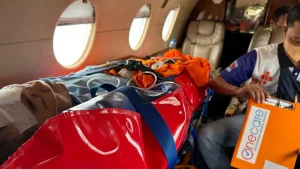
Medical evacuation is not just about getting a person from one place to another. It is about making sure every stage of the medical journey is coordinated, from the first assessment to the handover at the receiving facility, so the patient gets the right care the whole way. Good medical evacuation planning Indonesia organizations can depend on turns scattered resources into one connected chain of response, and that is what protects people when time matters most.
If you want help shaping a plan for your team, reach out to One Care Bali:
- Call us anytime: +62 812-6050-5505
- Drop by our office: Jl. Sedap Malam No.110A, Kesiman, Kec. Denpasar Tim., Kota Denpasar, Bali 80237
Planning feels like effort when everything is calm, and like a lifeline when it is not. Taking the time now to prepare, practice, and review means your people will never have to wait for answers on the day they need them most.