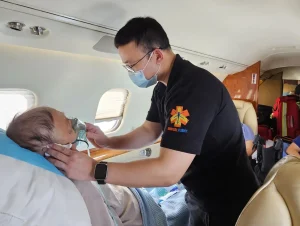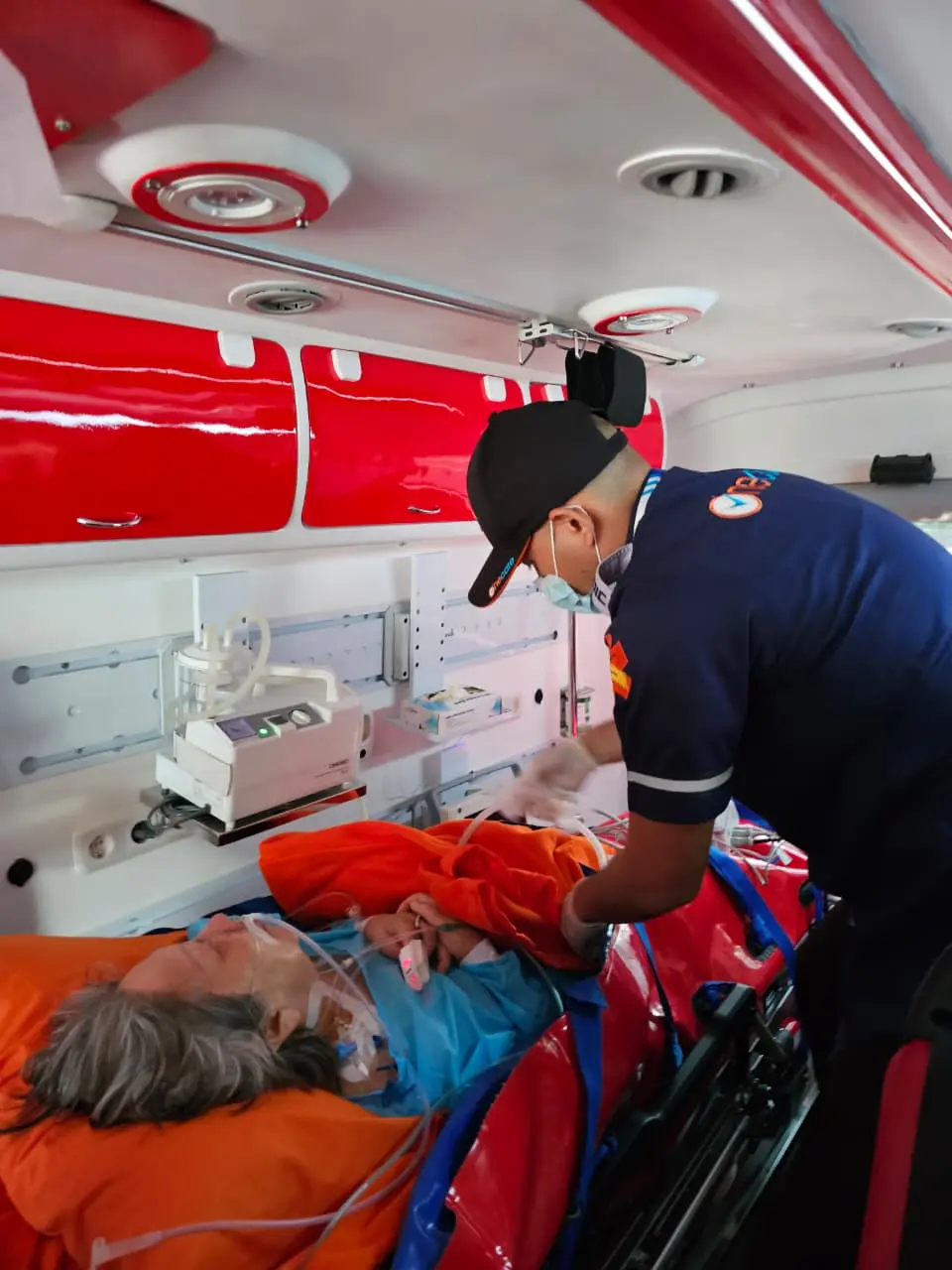
In today’s global business environment, ensuring the safety of employees during travel is essential. Effective medevac planning for corporate travelers not only protects employees but also safeguards the company’s reputation. A well-structured plan can mitigate the risks associated with corporate travel medical evacuations, making it a crucial aspect of travel risk management.
Understanding the Importance of Medevac Planning
Medevac planning is more than just having a policy in place; it is about understanding the potential medical emergencies that could arise during corporate travel. When employees travel abroad, they may face various health risks, from minor illnesses to serious medical emergencies. A comprehensive plan ensures that they receive prompt and appropriate medical care abroad.
This planning is particularly vital for companies with global operations, as different countries have varying healthcare standards. By investing in business travel insurance options that include medical evacuation coverage, companies can enhance employee safety during travel and provide peace of mind.
Strategies for Businesses to Manage Medical Evacuation Risks
1. Develop Corporate Emergency Plans
Creating a robust corporate emergency plan is the first step in managing medical evacuation risks. This plan should outline procedures for different scenarios, including serious health issues or accidents. Key elements of the plan include:
- Emergency Contacts: Provide employees with a list of emergency contacts, including local medical facilities, embassy contacts, and corporate security.
- Medical Evacuation Procedures: Clearly define the steps for initiating a medical evacuation, including who to contact and how to facilitate transport.
- Insurance Coverage: Ensure that all employees are aware of their business travel insurance options that include medevac services.
2. Implement Travel Risk Management Practices
Travel risk management is an ongoing process that includes assessing risks before, during, and after travel. Businesses should conduct thorough risk assessments to identify potential health risks associated with specific destinations. This can involve:
- Researching Destination Health Risks: Use resources such as the CDC or WHO to stay updated on health advisories for travel destinations.
- Training Employees: Provide training sessions on health and safety protocols while traveling, including recognizing symptoms of illnesses or accidents.
- Monitoring Travelers: Utilize technology to keep track of employees while they are abroad, ensuring they can be located quickly in case of an emergency.
3. Ensure Access to Employee Medical Care Abroad
Access to quality medical care is a critical component of medevac planning. Companies should partner with local medical facilities or international health providers to ensure that employees can receive immediate care when needed. This includes:
- Establishing Partnerships: Collaborate with local healthcare providers in key travel destinations to facilitate quick treatment options.
- Providing Health Insurance Information: Ensure employees have easy access to information regarding their travel insurance policies and what services are covered.
- Utilizing Assistance Companies: Engage with assistance companies that specialize in medical evacuations to streamline the process when emergencies arise.
Promoting Employee Safety During Travel
Ultimately, the goal of medevac planning is to promote employee safety during travel. Companies must foster a culture of safety by prioritizing the well-being of their employees. This can be achieved through:
- Regular Updates on Safety Protocols: Keep employees informed about safety protocols and changes in travel policies.
- Encouraging Open Communication: Create an environment where employees feel comfortable reporting health concerns or incidents during their travels.
- Feedback Mechanism: Implement a feedback system to learn from past travel experiences and improve future medevac planning.
Conclusion
In conclusion, effective medevac planning for corporate travelers is essential for ensuring employee safety and mitigating risks during business trips. By developing corporate emergency plans, implementing travel risk management practices, and ensuring access to medical care abroad, businesses can better protect their employees and enhance overall travel safety.
As the world of corporate travel continues to evolve, prioritizing medevac planning will not only benefit employees but also strengthen company reputation and reliability in the eyes of clients and stakeholders.