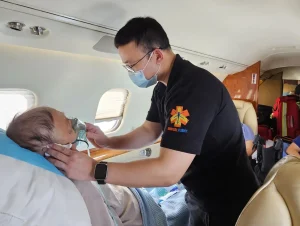
In Indonesia, the significance of air ambulance partnerships with hospitals cannot be overstated. These collaborations play a critical role in ensuring that patients receive timely and effective medical care during emergencies. As the healthcare landscape evolves, the synergy between air ambulance services and hospitals becomes increasingly vital for optimizing medevac operations and enhancing patient outcomes.
Exploring the Collaborations Between Air Ambulances and Hospitals for Effective Medevac
Air ambulances serve as a lifeline during medical emergencies, especially in remote areas where access to healthcare facilities can be challenging. The integration of air ambulance services with hospitals involves a series of strategic partnerships. These partnerships can be structured in various ways, including hospital collaborations for medevac, air ambulance hospital agreements, and coordinated efforts for emergency care partnerships.
Effective medevac coordination with hospitals is essential. When an emergency arises, every second counts. Air ambulance teams need immediate access to hospital resources, specialists, and facilities to provide the best possible care. This requires meticulous planning and collaboration among healthcare providers, ambulance services, and insurance companies to streamline processes and minimize delays.
The Role of Insurance Companies in Air Ambulance Partnerships
Insurance companies play a pivotal role in facilitating these partnerships. They help bridge the gap between air ambulance services and hospitals, ensuring that patients’ transportation and emergency care costs are covered. By engaging in healthcare partnerships in evacuation, insurance providers can create comprehensive coverage plans that cater to the needs of travelers and local patients alike.
For insurance companies, the benefits of partnerships extend beyond financial considerations. Collaborating with reputable air ambulance services enhances their service portfolio, allowing them to offer more robust emergency care options to their clients. This not only improves customer satisfaction but also strengthens their market position in the competitive insurance landscape.
Benefits of Air Ambulance Partnerships for Healthcare Providers
Healthcare providers also stand to gain significantly from hospital partnerships with air ambulance services. By integrating these services, hospitals can improve their emergency response capabilities, making them more equipped to handle acute medical situations efficiently. This collaboration fosters a culture of medical coordination that is essential for delivering high-quality care.
Furthermore, through case collaboration between air ambulance teams and hospital staff, providers can share critical patient information in real-time. This ensures that medical teams are adequately prepared upon the patient’s arrival, which can drastically reduce treatment times and improve overall patient outcomes.
Enhancing Emergency Response Teamwork
Effective emergency response teamwork is at the heart of successful air ambulance operations. When air ambulance services and hospitals work cohesively, they can respond to emergencies more adeptly. Training programs that involve both air ambulance personnel and hospital staff can create a seamless workflow where everyone understands their roles and responsibilities during critical situations.
Additionally, regular drills and simulations can help both parties identify potential gaps in their coordination, leading to improved protocols and faster response times. This proactive approach not only enhances patient care but also boosts the confidence of healthcare providers and patients alike.
Conclusion: The Future of Air Ambulance Partnerships in Indonesia
As Indonesia continues to develop its healthcare infrastructure, the importance of air ambulance partnerships with hospitals will only grow. By fostering strong relationships between air ambulance services, hospitals, and insurance companies, the country can enhance its emergency medical response capabilities and improve patient outcomes significantly.
In summary, these partnerships are not just beneficial—they are essential for a robust healthcare system that prioritizes patient care and safety. Stakeholders must continue to invest in these collaborations to ensure that Indonesia’s healthcare system can meet the challenges of the future, providing timely, efficient, and high-quality emergency medical services for all.