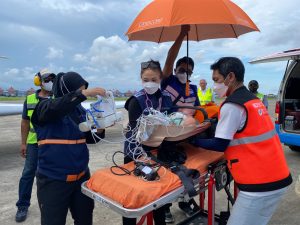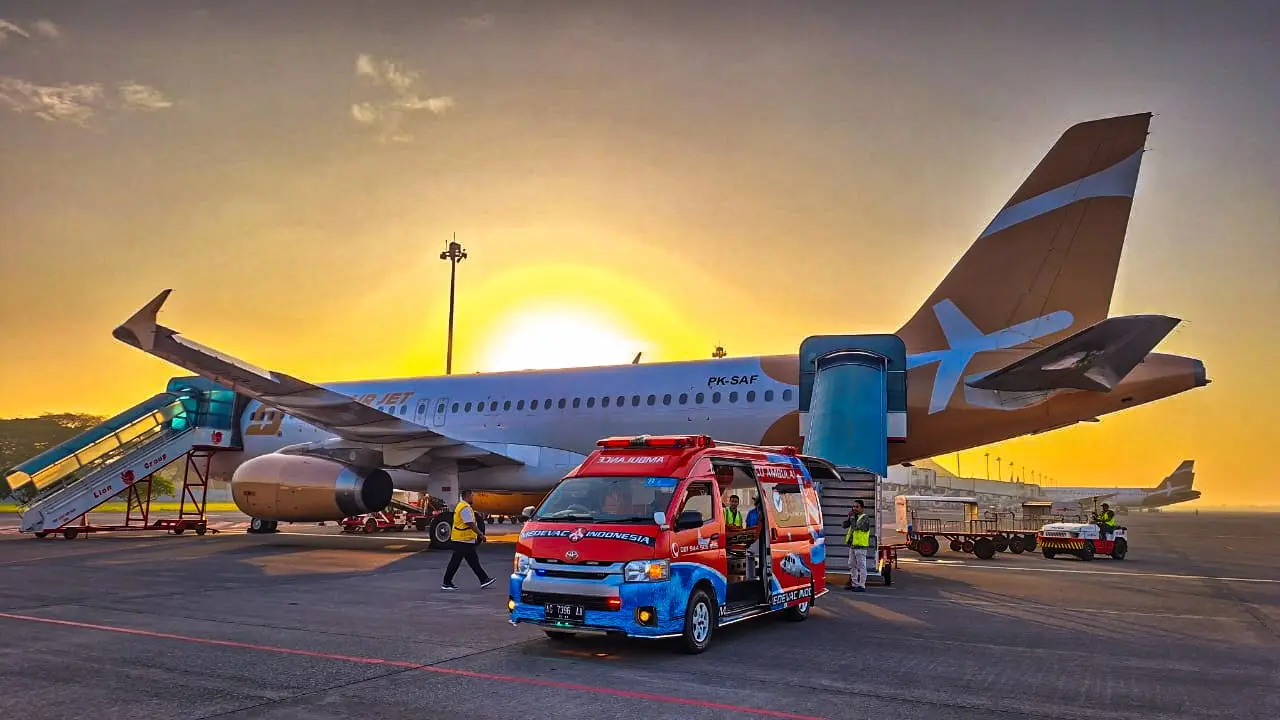
Jakarta sits at the center of Indonesia’s healthcare system, and that position shapes how medical evacuation actually works in the capital. Whether someone needs to reach a hospital across town or be moved between cities, the logistics in Jakarta follow their own set of rules, quite different from what applies in a resort destination like Bali. Understanding those rules matters for anyone managing health risk in the city, from individual expatriates to corporate HR teams.
Understanding Medical Evacuation in Jakarta
Before comparing insurance options or evacuation partners, it helps to understand the two forces that shape every evacuation decision in Jakarta: the city’s traffic conditions and the direction patients are moving in. Both influence how quickly a case can be resolved and which type of transport makes sense.
What Makes Jakarta Different
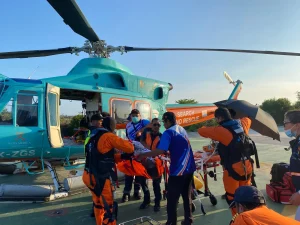
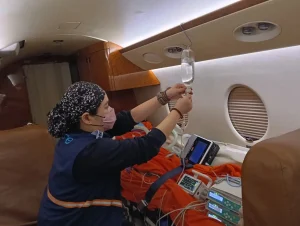
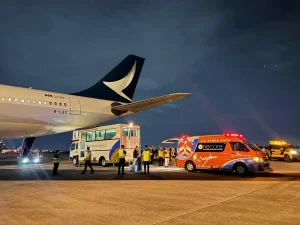
Jakarta’s biggest evacuation variable isn’t distance, it’s traffic. A hospital that sits five kilometers away can still be thirty minutes out during peak hours, and that reality drives many of the decisions evacuation coordinators make. Ground ambulances remain the default for most in-city transfers, but when timing is critical, air ambulance or helicopter transport becomes the safer option, even over relatively short distances. This is also why round-the-clock readiness matters so much in a city this size our guide to the importance of 24/7 medical evacuation services explains why availability at any hour, not just proximity, is often the deciding factor.
The upside is density. Jakarta hosts the country’s largest concentration of referral-grade hospitals, including facilities with specialist units in cardiac care, neurology, and trauma surgery that smaller cities simply don’t have. An evacuation plan built around Jakarta isn’t only about moving a patient quickly; it’s about routing them to the right level of care, which in a city this size usually means choosing between several qualified options rather than settling for the nearest one.
Who Typically Needs Evacuation To or From Jakarta
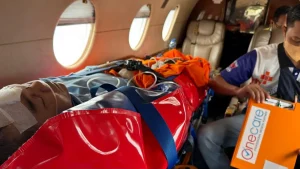
Evacuation in Jakarta runs in both directions. Within the city, it typically involves workplace incidents, traffic accidents, or acute medical events where reaching a hospital fast is the priority. But Jakarta also functions as a destination: patients from smaller cities and outer islands are frequently referred into Jakarta when local facilities can’t provide the specialist treatment a case requires.
This inbound pattern deserves separate planning. A worker injured in a remote posting, for instance, may need evacuation not just to the nearest hospital, but onward to a Jakarta specialist center once stabilized. Companies with staff working outside major cities should account for this two-step journey, local stabilization followed by transfer to Jakarta, rather than assuming one evacuation covers the entire case.
Medical Assistance and Insurance Coverage for Expatriates and Companies
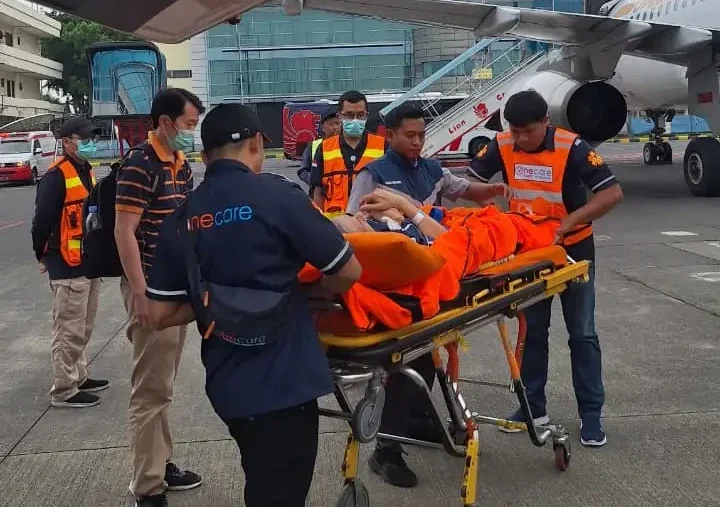
Getting the transport logistics right is only half the picture. The other half is making sure coverage actually pays for that transport when it’s needed, and that someone is coordinating care on the ground for expatriates and corporate teams alike.
Medical Assistance for Expatriates and Corporate Teams in Jakarta
For expatriates living in Jakarta, evacuation planning is one piece of a larger picture that includes routine care, insurance coordination, and language support, the broader landscape covered in our guide to medical assistance for expatriates in Indonesia. What’s specific to Jakarta is scale: the city’s expatriate population is large enough that many multinational employers manage evacuation coverage for entire teams rather than individuals.
That corporate dimension changes the planning conversation. HR and risk managers in Jakarta typically need a coordination partner who can activate transport, notify next of kin, and liaise directly with a hospital’s admitting team, all without the employee having to navigate the system alone in a moment of crisis. For a company with staff spread across Jakarta’s business districts, having a single point of contact who already knows which hospitals to call, and how quickly they can be reached from a given location, often matters more than any single clause written into the insurance policy.
Corporate Health Insurance vs Travel Insurance for Evacuation Coverage
Not all coverage handles evacuation the same way, and the gap between policy types becomes clear in Jakarta. Standard travel insurance is built around short-term visitors: it usually covers emergency evacuation but may cap the payout, restrict which hospitals are approved, or require the traveler to arrange transport before reimbursement.
Corporate health insurance, by contrast, is typically negotiated with evacuation and repatriation built in as a direct-billed benefit, with a case manager assigned rather than a claims form to fill out afterward. For companies employing expatriate or local staff long-term in Jakarta, this distinction is worth reviewing before an emergency happens, not during one. Ask whether the policy guarantees direct payment to the hospital, which specific facilities are pre-approved, and whether transport can be arranged around the clock without prior authorization delays. Those three questions expose most of the gaps between a travel policy and a genuine corporate evacuation benefit.
Choosing an Evacuation Partner That Knows Jakarta’s Hospital Network
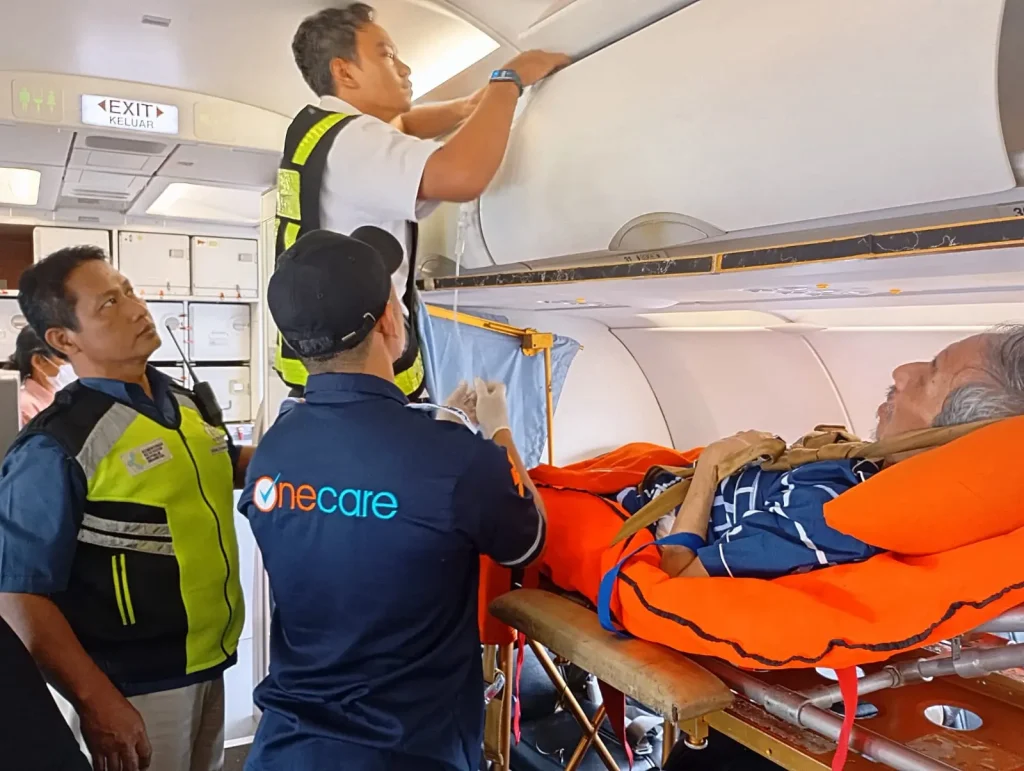
Jakarta’s hospital landscape is large enough that generic evacuation experience isn’t quite the same as local expertise. A partner who works in the city regularly will know which hospitals accept which cases, which routes hold up during rush hour, and which specialist units are actually available on a given day, details that rarely appear in a policy document but make a real difference when minutes count.
If your team also operates outside the capital, it’s worth reviewing coverage separately for those locations. Our guide to medical evacuation services Bali covers the island’s own transport options and hospital network.
For expatriates and companies based in Jakarta, though, the practical test when comparing evacuation providers isn’t just whether they can move a patient, but whether they know exactly where to take them once they do. If you’d like to discuss your team’s coverage in person, you can find our Jakarta office on the map.