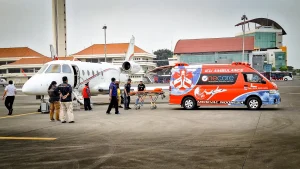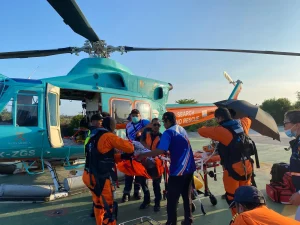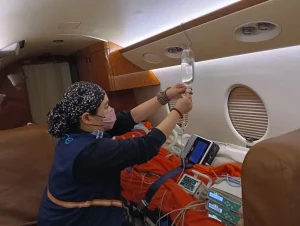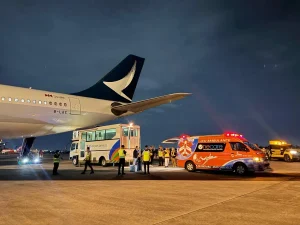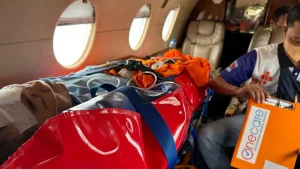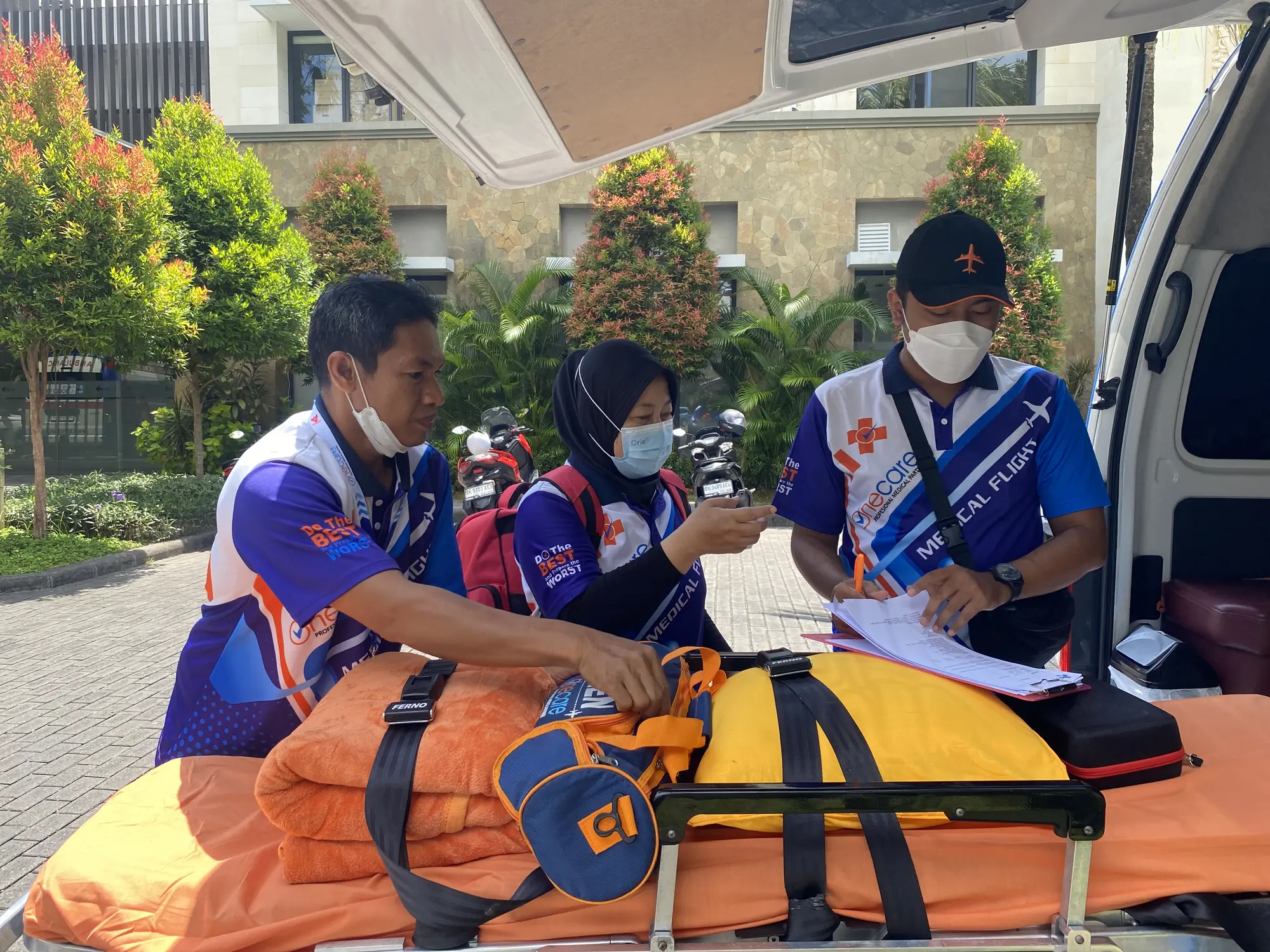
When a medical emergency strikes far from a capable hospital, the quality of your medical evacuation protocols Indonesia teams rely on decides how quickly the right help arrives. With thousands of islands and uneven access to specialist care, waiting until a crisis to work out who calls whom and where the patient goes is a risk no organization needs to take. Written, rehearsed protocols replace guesswork with clear steps.
Core Medical Evacuation Protocols Indonesia
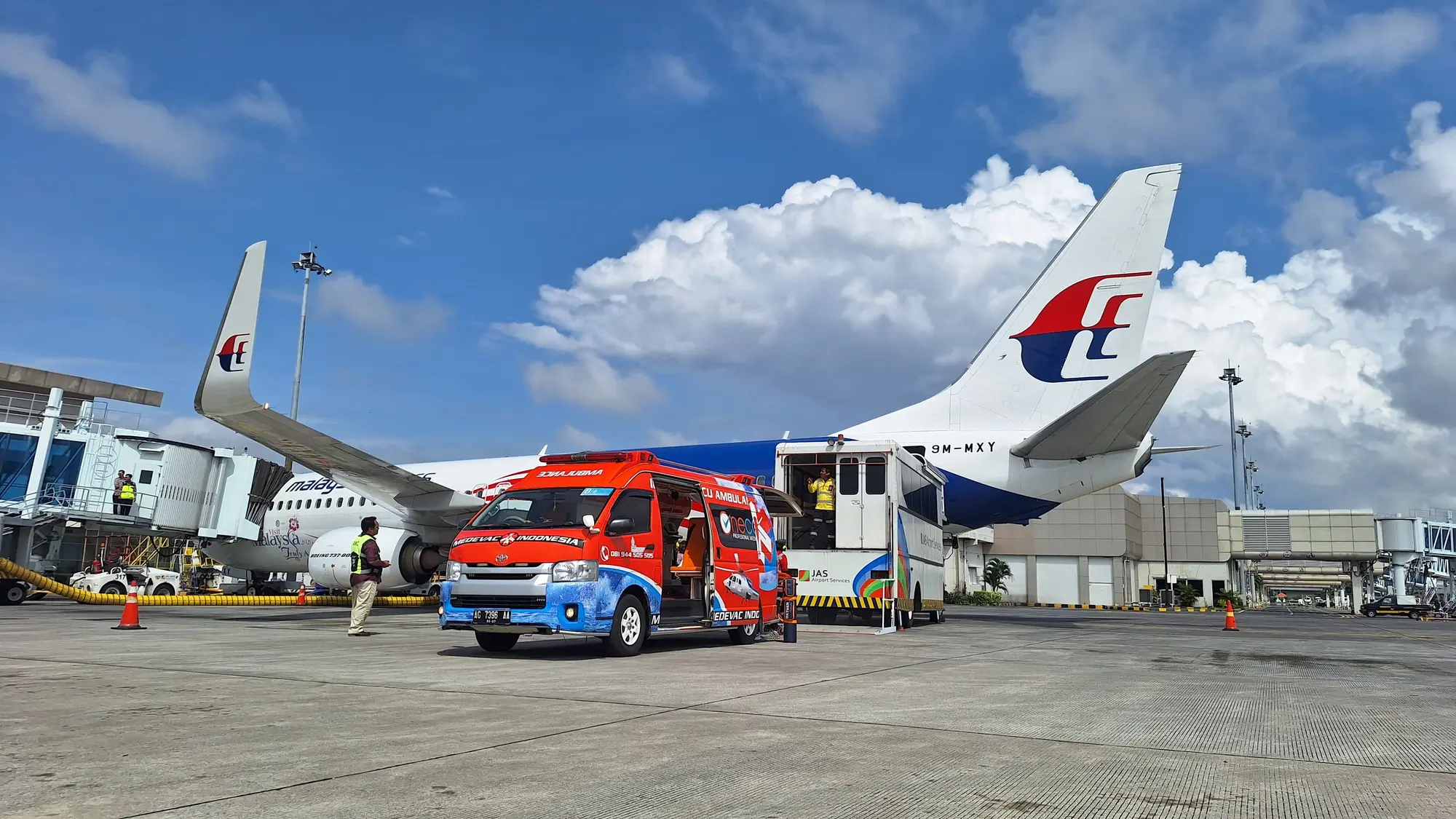
Good protocols are short, specific, and written for people who are under stress. They answer three questions: when to escalate, who acts, and where the patient goes next.
Start With the Local Care Landscape
Care standards differ widely across the country. A city site may have an advanced hospital within minutes, while a remote worksite could be hours from the nearest facility with intensive care. Map the clinics and hospitals near each location, note what each can and cannot treat, and identify the next level of care for serious cases. Your protocol should be built around this real picture, not a copied template.
Define Triggers for Escalation
Staff should never have to debate whether a situation is serious enough. Set clear thresholds that signal a transfer, such as:
- Loss of consciousness or breathing difficulty
- Severe trauma from road, work, or water accidents
- Suspected stroke, heart attack, or serious infection
- Any case the local facility says it cannot manage
When a trigger is met, the protocol moves straight to action.
Assign Roles and Call Order
List who provides first aid, who contacts emergency services, who speaks to the medical provider, and who stays in touch with the family and employer. Put phone numbers in the order they should be dialed, and name a backup for every role so the plan still works when someone is off shift.
Making Protocols Work in Practice
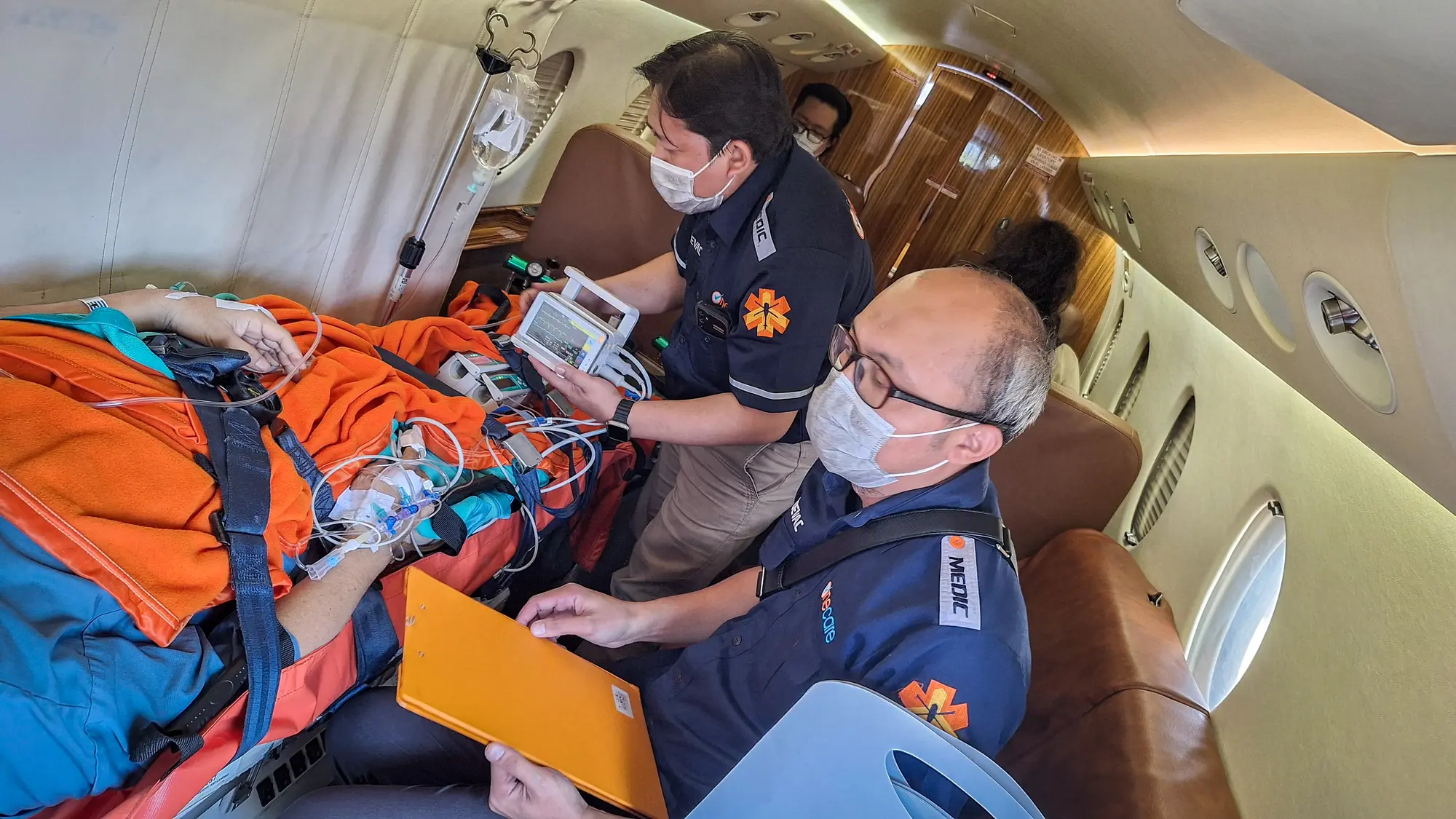
A protocol only has value if people know it and the supporting services are ready to respond.
Train Teams for the First Response
Run regular first aid and CPR sessions, and add short role-play drills where staff practice describing a patient’s condition, exact location, and medical background to a call handler. Familiarity is what keeps people steady when the situation is real.
Align Coverage and Providers
Review your insurance and assistance arrangements before you need them. Confirm whether they cover air transport, repatriation, and a medical escort, and check that your chosen provider can reach every place your people work. Settling these points early avoids delays over payment approval at the worst possible moment.
Keep Transport Options on Standby
The route a patient takes, whether by road, boat, or aircraft, depends on distance, weather, and condition. Understanding medical evacuation logistics in Indonesia helps you decide which options to pre-arrange and who to contact at any hour.
Keeping Protocols Current
Staff move on, clinics change their services, and seasonal conditions alter travel routes. Treat your medical evacuation protocols Indonesia documents as living files and review them on a fixed schedule, plus after every real incident or drill.
- Test every phone number and contact at least twice a year
- Confirm that listed hospitals still accept the cases assigned to them
- Brief new joiners during onboarding
- Record delays after each drill and correct them
Beyond the Transfer Itself
Medical evacuation is not only about moving a patient from one place to another. It is about making sure every stage of the medical journey is coordinated, from the first assessment through transport to the handover, so the patient receives the right treatment all the way to the destination facility. Well-built medical evacuation protocols Indonesia organizations depend on connect each of those stages into one reliable chain.
To discuss protocols for your team, get in touch with One Care Bali:
- Call our team directly at +62 812-6050-5505
- Visit One Care Bali at Jl. Sedap Malam No.110A, Kesiman, Kec. Denpasar Tim., Kota Denpasar, Bali 80237
Preparation can feel like extra work while everything is running smoothly. On the day an emergency arrives, it is what gives your people clear steps, confident decisions, and the best chance of a safe outcome.