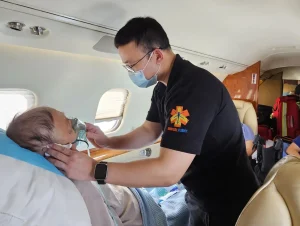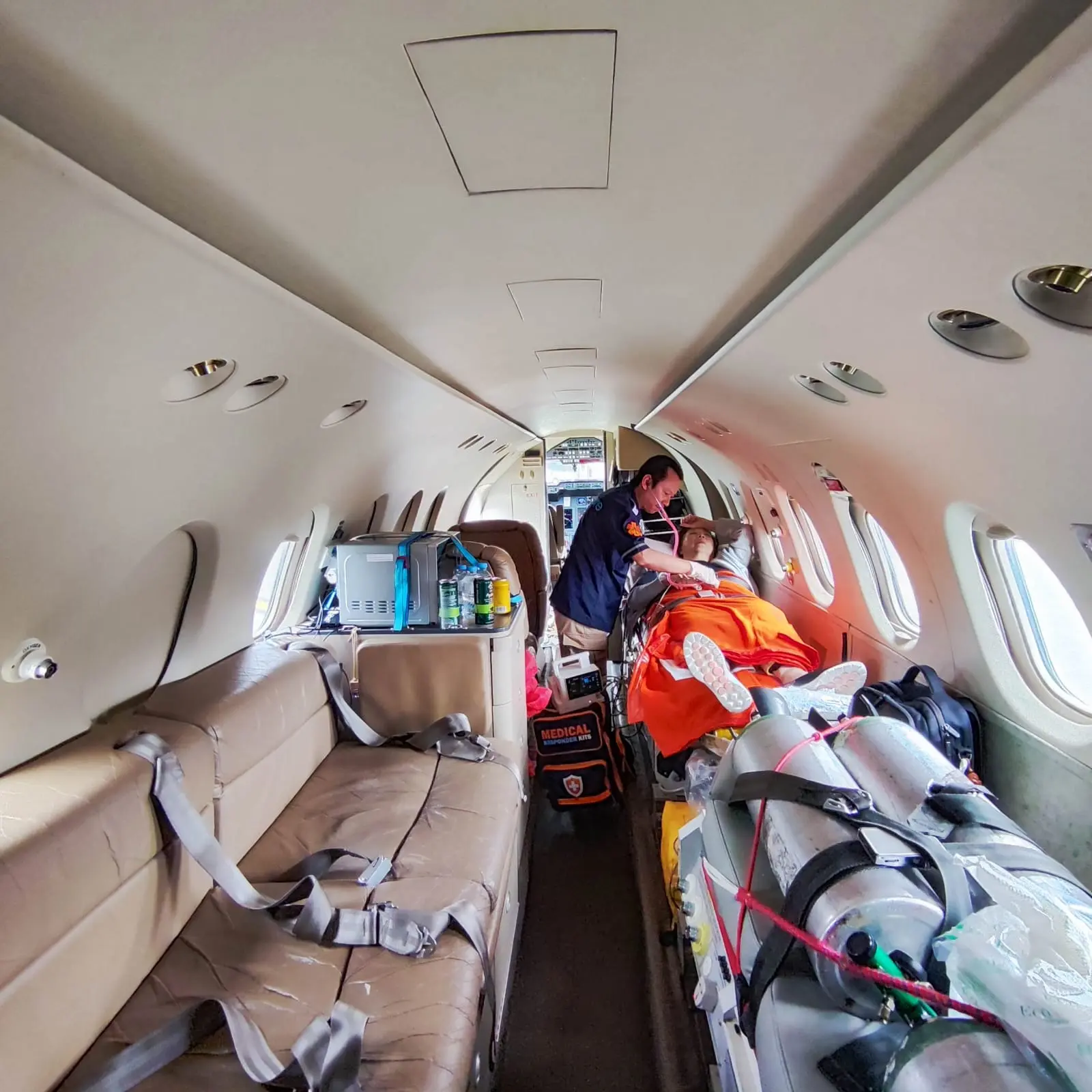
As the healthcare landscape evolves, air ambulance technology advancements play a crucial role in enhancing patient care and improving medical transport efficiency. In Indonesia, the integration of innovative technologies is setting new standards for emergency medical services, especially in regions where timely medical assistance is vital.
Understanding the Latest Medical Transport Tech
The air ambulance industry is rapidly transforming with the introduction of latest medical transport tech. This encompasses a variety of innovations designed to make air medical transportation safer and more effective. From sophisticated aircraft equipped with advanced medical equipment to the implementation of telemedicine in air ambulance operations, these developments are revolutionizing patient care.
One significant advancement is the integration of telemedicine in air ambulance. This technology allows paramedics and doctors to communicate in real-time, providing immediate medical advice and support during transit. This capability ensures that patients receive timely interventions, which can be crucial for survival in critical situations. Furthermore, the use of advanced imaging and monitoring equipment on board facilitates better assessment and management of patients while in-flight.
Innovative Evacuation Solutions
The need for innovative evacuation solutions is paramount, especially in Indonesia’s diverse geographical landscape. Remote islands and areas with limited access to healthcare require air ambulances that can navigate challenging terrains. New helicopter models and fixed-wing aircraft are being designed for flexibility and rapid deployment, ensuring that emergency services are accessible regardless of location.
Moreover, the development of portable medical devices has significantly improved patient outcomes during air transport. Equipment such as lightweight defibrillators and advanced ventilators enable medical teams to provide high-quality care without being hindered by the constraints of space and weight in an aircraft.
Air Ambulance Equipment Updates
Regular air ambulance equipment updates are essential to keep pace with the ever-evolving medical technologies. Air ambulance providers are investing in cutting-edge technology, ensuring that their fleets are equipped with the latest tools for effective patient management. This includes the latest in patient monitoring systems, which provide real-time data on vital signs and other health metrics, allowing for better decision-making during critical care.
Additionally, training for air ambulance personnel on the use of advanced medical equipment is crucial. Continuous education and simulation training help ensure that all team members are proficient in handling the latest technologies, significantly enhancing the quality of care provided to patients during transport.
Benefits of Advanced Medical Equipment
Utilizing advanced medical equipment in air ambulances comes with numerous benefits that directly impact patient outcomes. First and foremost, it enhances the ability of medical personnel to monitor and treat patients effectively while in transit. This can lead to quicker stabilization of patients, particularly those with life-threatening conditions.
Moreover, the integration of technology such as telemedicine not only facilitates improved communication but also supports the medical team with real-time guidance from specialists who can assist in complex cases. This collaborative approach ensures that patients receive the most appropriate care tailored to their needs, regardless of their location.
Challenges and Considerations
While the advancements in air ambulance technology present numerous benefits, they also come with challenges. Implementing new technologies often requires significant investment, both in equipment and training. Additionally, ensuring that all personnel are adequately trained to use new systems safely is paramount to maintain high standards of patient care.
Furthermore, regulatory compliance plays a vital role in the advancement of air ambulance services. Providers must navigate various regulations and standards to ensure that their operations meet safety and quality requirements. This can complicate the deployment of new technologies, but it is crucial for maintaining the integrity of medical transport services.
The Role of Assistance Companies
Assistance companies play a pivotal role in facilitating the advancements in air ambulance technology. These organizations coordinate logistics, manage insurance claims, and streamline the process of medical evacuations, ensuring that patients receive timely care. By partnering with air ambulance provider Indonesia, assistance companies help to bridge the gap between patients and the necessary medical services.
Moreover, they often provide valuable insights into the latest trends and technologies within the air ambulance industry, helping providers stay ahead of the curve. This collaboration allows for improved service delivery and enhances overall patient experiences during medical emergencies.
Conclusion: The Future of Air Ambulance Services
In conclusion, the future of air ambulance services in Indonesia is bright, driven by air ambulance technology advancements that enhance patient care and operational efficiency. As the industry continues to embrace new technologies, the focus remains on providing high-quality medical transport to those in need. By staying informed about the latest medical transport tech and collaborating with key stakeholders, air ambulance providers can ensure they meet the evolving demands of healthcare in a rapidly changing world.
Embracing these advancements not only positions air ambulance services as leaders in medical transport but also significantly improves the quality of care patients receive during their most critical moments.