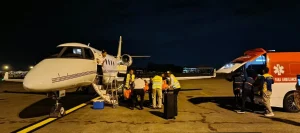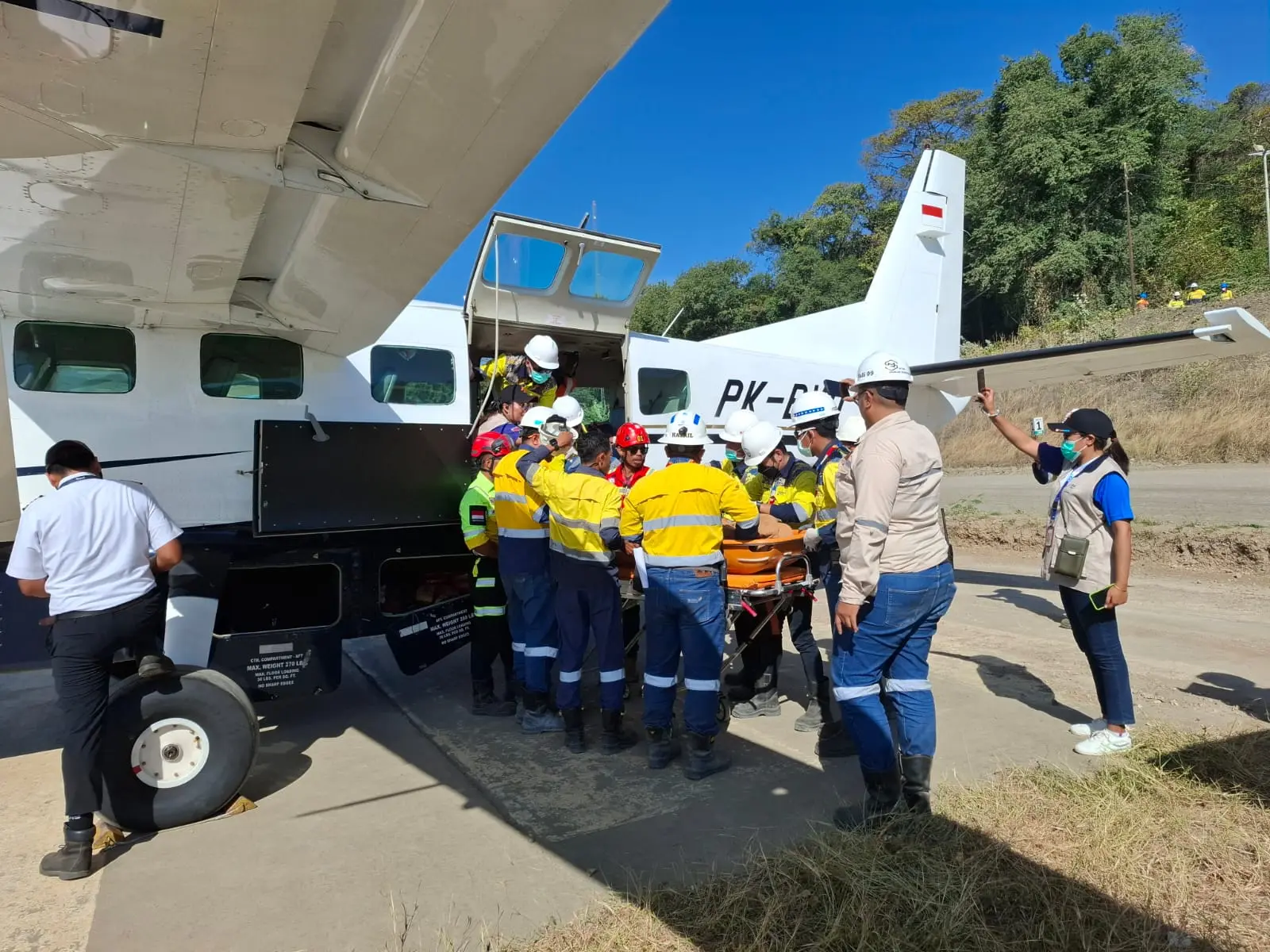
When discussing medical evacuation procedures in remote areas, it is essential to understand the unique challenges posed by Indonesia’s diverse geography. With over 17,000 islands, many of which are isolated and have limited access to medical facilities, the need for effective emergency medical evacuation in remote locations becomes critical. This article aims to educate customers and insurance companies about the complexities and requirements involved in medical evacuations in these hard-to-reach areas.
Understanding the Landscape of Medical Evacuations in Indonesia
Indonesia is known for its stunning natural landscapes, but these can also pose significant challenges for medical transport. The remote regions often lack adequate transportation infrastructure, making emergency medical evacuation in remote locations a daunting task. Factors such as distance from urban centers, availability of medical facilities, and the condition of transport routes can impact the logistics of patient transfers.
In order to ensure successful medical assistance in remote Indonesia, it is crucial to understand the various logistical elements involved. These include:
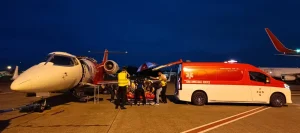
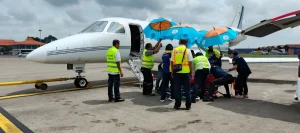
- Medical Evacuation Logistics: This encompasses the planning and execution of transporting patients from remote areas to medical facilities, which can involve air or ground transport depending on the location.
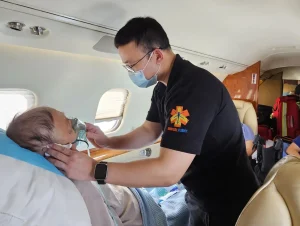
- Remote Medical Assistance: Providing immediate care at the site before evacuation can significantly improve patient outcomes.
- Travel Insurance Coverage: It is vital for travelers to understand what their insurance covers in the event of a medical emergency, especially in remote areas.
Emergency Response Planning in Remote Areas
Effective emergency response planning is essential for managing medical evacuations. This involves developing protocols that outline how to respond to various medical emergencies, ensuring that all involved parties are trained and prepared. Emergency response plans should include:
- Assessment of Medical Needs: Quickly determining the severity of the situation to prioritize care.
- Communication Protocols: Establishing clear lines of communication between local medical providers, evacuation teams, and receiving hospitals.
- Coordination with Local Authorities: Engaging local government and health departments can facilitate smoother operations during emergencies.
Patient Transfer Protocols in Remote Locations
Once an emergency response plan is activated, it is crucial to follow specific patient transfer protocols to ensure safe and timely evacuations. This includes:
- Stabilization of Patients: Providing necessary medical care to stabilize the patient before transport.
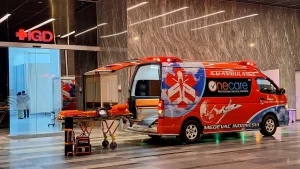
- Choosing the Right Transport Method: Depending on the patient’s condition and the distance to the nearest medical facility, transport may involve ground ambulances, boats, or helicopters.
- Post-Transfer Care: Ensuring continuity of care once the patient reaches a medical facility.
Challenges Faced During Medical Evacuations
Indonesia Medical evacuations in remote areas are fraught with challenges. Some common issues include:
- Geographical Barriers: Remote locations often have difficult terrain or are accessible only by limited transport options.
- Lack of Resources: Many remote areas may not have the necessary medical equipment or personnel to provide adequate care until evacuation can occur.
- Time Constraints: In emergencies, every minute counts. Delays in evacuation can lead to worsened patient outcomes.
Solutions and Best Practices
To navigate the complexities of medical evacuation procedures in remote areas, the following best practices can be implemented:
- Pre-Trip Planning: Travelers should ensure they have comprehensive travel insurance coverage that includes emergency medical evacuation.
- Training for Local Providers: Providing training for local healthcare providers on emergency response can enhance the overall effectiveness of medical assistance in remote Indonesia.
- Utilization of Technology: Leveraging technology such as satellite communication can improve coordination and response times during medical emergencies.
Conclusion
In conclusion, understanding the medical evacuation procedures in remote areas of Indonesia is essential for ensuring effective responses to medical emergencies. By addressing the challenges and implementing best practices, insurance companies, travelers, and local providers can work together to improve outcomes for patients in need of urgent medical assistance. With proper planning and resources, medical evacuations can be conducted efficiently, even in the most remote locations.