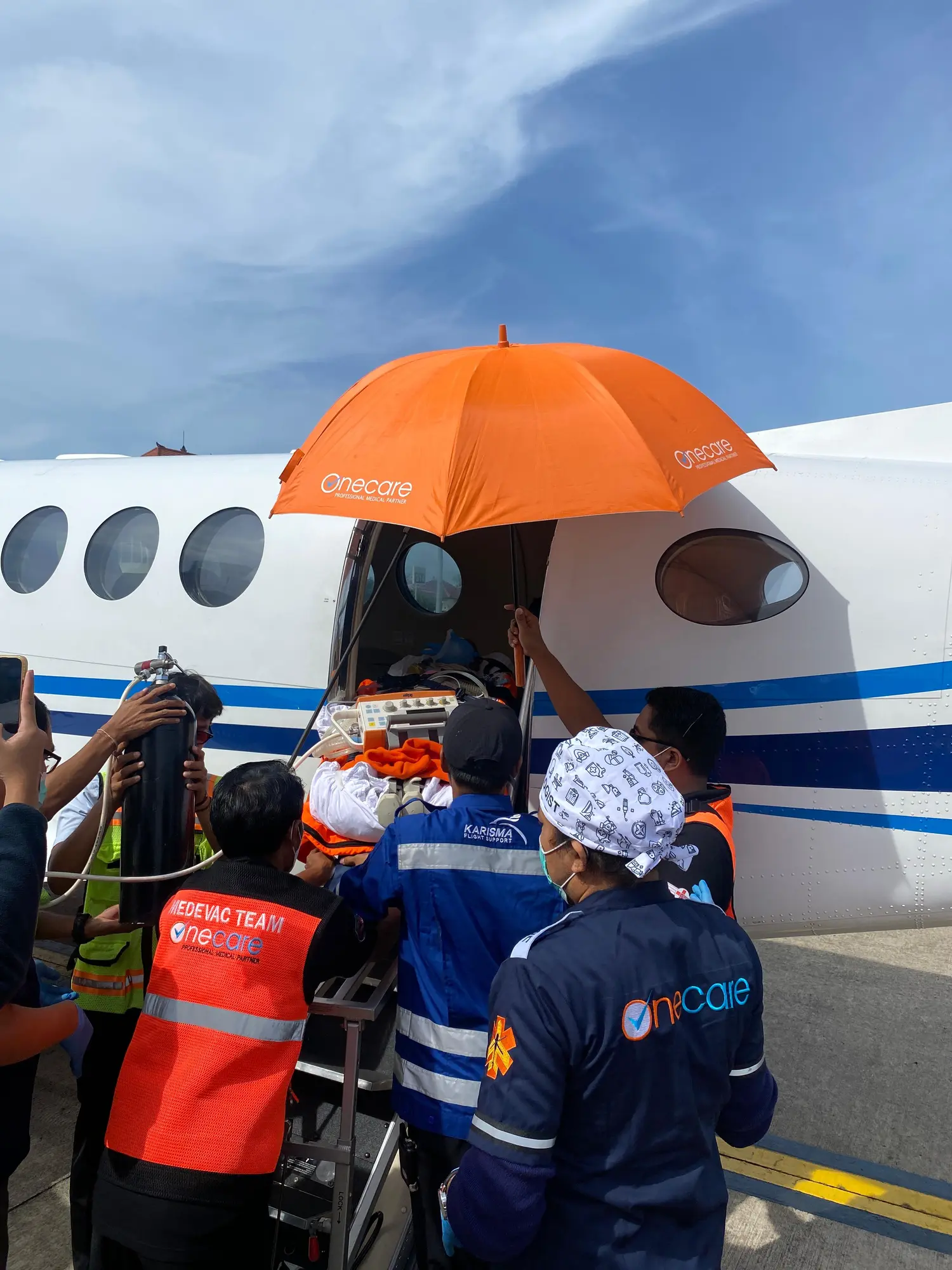
In the realm of emergency medical transport, understanding air ambulance regulations in Indonesia is crucial. These regulations ensure that air ambulance services operate safely, efficiently, and in compliance with national and international standards. This article aims to explore the regulatory landscape governing air ambulance services in Indonesia, shedding light on the legal frameworks that ensure the safety and reliability of aviation medical transport.
Overview of Air Ambulance Services in Indonesia
Air ambulance services play a vital role in providing rapid medical assistance, particularly in remote areas where ground transportation may be impractical. In Indonesia, the need for timely medical evacuations and transfers has increased, leading to the establishment of various air ambulance providers. These services must adhere to rigorous aviation medical transport laws to ensure patient safety and operational compliance.
The Role of the Government in Regulating Air Ambulance Services
The Indonesian government, through the Ministry of Transportation and the Ministry of Health, oversees air ambulance operations. They set forth regulations that encompass various aspects, including aircraft requirements, pilot qualifications, and medical staffing. Compliance with these regulations is essential for any air ambulance service seeking to operate legally within the country.
International Compliance and Standards
In addition to national regulations, Indonesia’s air ambulance services must also comply with international standards set by organizations such as the International Civil Aviation Organization (ICAO) and the International Air Transport Association (IATA). These standards help maintain a high level of safety and operational quality in air medical transport.
Key Regulatory Standards for Medical Flights
Regulatory standards for medical flights in Indonesia are designed to address safety and operational efficiency. These standards encompass several areas, including:
- Aircraft Specifications: Air ambulances must meet specific technical standards to ensure they can operate safely under various conditions.
- Medical Equipment: Compliance with medical equipment regulations is critical. Air ambulances must be equipped with life-support systems, advanced medical devices, and necessary supplies for patient care.
- Staff Qualifications: All personnel involved in air ambulance operations, including pilots and medical staff, must meet stringent qualifications and training requirements.
Adhering to these air ambulance compliance regulations not only ensures the safety of patients but also protects the integrity of the service provider.
Challenges in Air Ambulance Compliance
Operating an air ambulance service in Indonesia comes with its set of challenges. Some of these include:
- Regulatory Complexity: Navigating the various regulations from different government bodies can be complex and time-consuming.
- Resource Limitations: Smaller service providers may struggle to meet the financial and operational demands of compliance.
- Geographical Barriers: Indonesia’s vast archipelago presents unique logistical challenges for air ambulance operations.
Addressing these challenges is essential for ensuring that air ambulance services can provide timely and effective medical assistance across the nation.
Future Trends in Air Ambulance Regulations
As the demand for air medical services continues to grow, it’s likely that regulations will evolve to address new challenges and opportunities. Potential future trends may include:
- Increased Use of Technology: Advancements in technology could lead to improved patient monitoring and communication systems during flights.
- Enhanced Training Programs: Ongoing training and certification programs may become more standardized to ensure all personnel are well-prepared for emergencies.
- Stricter Compliance Measures: Regulatory bodies may implement more rigorous compliance checks to ensure all air ambulance services meet the required standards.
Conclusion
Understanding and adhering to air ambulance regulations in Indonesia is fundamental for the success of air medical transport services. By ensuring compliance with aviation medical transport laws and regulatory standards for medical flights, air ambulance providers can enhance patient safety, operational reliability, and overall service quality. Stakeholders, including insurance companies, travel insurance providers, and assistance companies, must stay informed about these regulations to better support air ambulance operations and contribute to a safer medical transport environment.
For further information on the regulatory requirements governing air ambulance services, feel free to reach out to relevant authorities or consult professional associations dedicated to aviation safety and medical transport compliance.