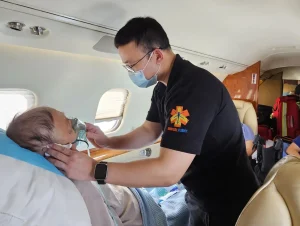
For a certain group of Indonesians, traveling abroad for medical care is no longer an unfamiliar step. So why do Indonesians seek treatment overseas? Some even prefer it over using the healthcare services available at home.
In fact, there are several reasons behind this preference, and the destinations vary widely, from Singapore and Malaysia to Japan and the United States. What exactly draws patients there? Read the summary below for a fuller explanation.
Even Quality Across Medical, Paramedical, and Non-Medical Teams
Compared with Indonesia, healthcare facilities abroad are often seen as more consistent in quality. In other words, high standards are not limited to a handful of well-known hospitals in major cities.
Data shows that healthcare services in Indonesia are still concentrated in large cities, especially on the island of Java. As a result, quality outside Java does not always match what is available there, and patients with the means to travel, particularly those from outside Java, often decide to seek treatment abroad instead. For families living far from a major hospital, the choice can come down to how many hours, or how many flights, it takes to reach a specialist.
Quality here also goes beyond the doctors. Paramedical staff and non-medical teams abroad are seen as more consistent as well, including physiotherapists, food service providers, security officers, and cleaning staff. Patients and their families notice these details, because a clean ward, a well-prepared meal, and a calm, orderly environment all shape how recovery feels.
Better Accessibility
Another reason Indonesians seek treatment overseas is easier access to healthcare services. This covers the referral system and how quickly patients are seen based on the urgency of their condition. Shorter waiting times for consultations, tests, and procedures can matter a great deal when a diagnosis is serious.
Communication also draws attention. How well medical staff talk with patients and their families, including how clearly they explain a diagnosis, the treatment options, and the next steps, is a major factor. Many patients say that feeling informed and heard makes them more comfortable with the decisions they have to make, which is one more reason treatment abroad becomes the preferred option.
The Full Picture of Medical Costs
Is treatment abroad automatically more expensive than treatment at home? The answer turns out to be less straightforward than it seems.
Some treatments require medicines or medical devices that are imported, which means import duties apply. Because of this, the medical bill in Indonesia is not always lower than the bill abroad for the same kind of care.
When the other reasons for choosing treatment abroad are taken into account, the total cost also feels less steep, since patients receive a standard of service they consider better. Of course, travel, accommodation, and living costs during treatment should be added to the calculation, so it is worth requesting a written estimate from the hospital before you decide.
Easier Insurance Claims
Submitting an insurance claim is also seen as easier when treatment takes place abroad. That said, this likely depends on whether the patient and family prepared thoroughly before leaving, including gathering the right documents and confirming coverage with the insurer.
It is also true that many international health insurance products are now easy to find. With a global health insurance plan, patients can have protection even when they are treated overseas, and some plans allow direct billing between the hospital and the insurer, so patients do not have to pay the full amount upfront.
Getting a Second Opinion
Another reason Indonesians go abroad for treatment is to get a second opinion. Patients usually take this step after receiving a serious or critical diagnosis at home. A second opinion can help a patient weigh the options before deciding which medical steps to take. It can confirm the original diagnosis, suggest a different approach, or simply give the patient and family the reassurance they need to move forward with confidence.