When a serious illness or injury happens on the island, a short drive to the nearest hospital is not always enough. Air ambulance booking Bali is the process that turns an urgent situation into an organized transfer, placing the patient under medical supervision and moving them to the facility best able to treat them, whether that is elsewhere in Indonesia or in another country. This guide explains how medical flights work, how to arrange one, and what to prepare before you ever need it.
How Medical Flights Work
A medical flight is far more than a plane ride with a stretcher on board. It is a mobile care environment, staffed and equipped to keep a patient stable from pickup until handover. Knowing the basic building blocks helps families, employers, and insurers make faster and calmer decisions.
What Sets Medical Flights Apart
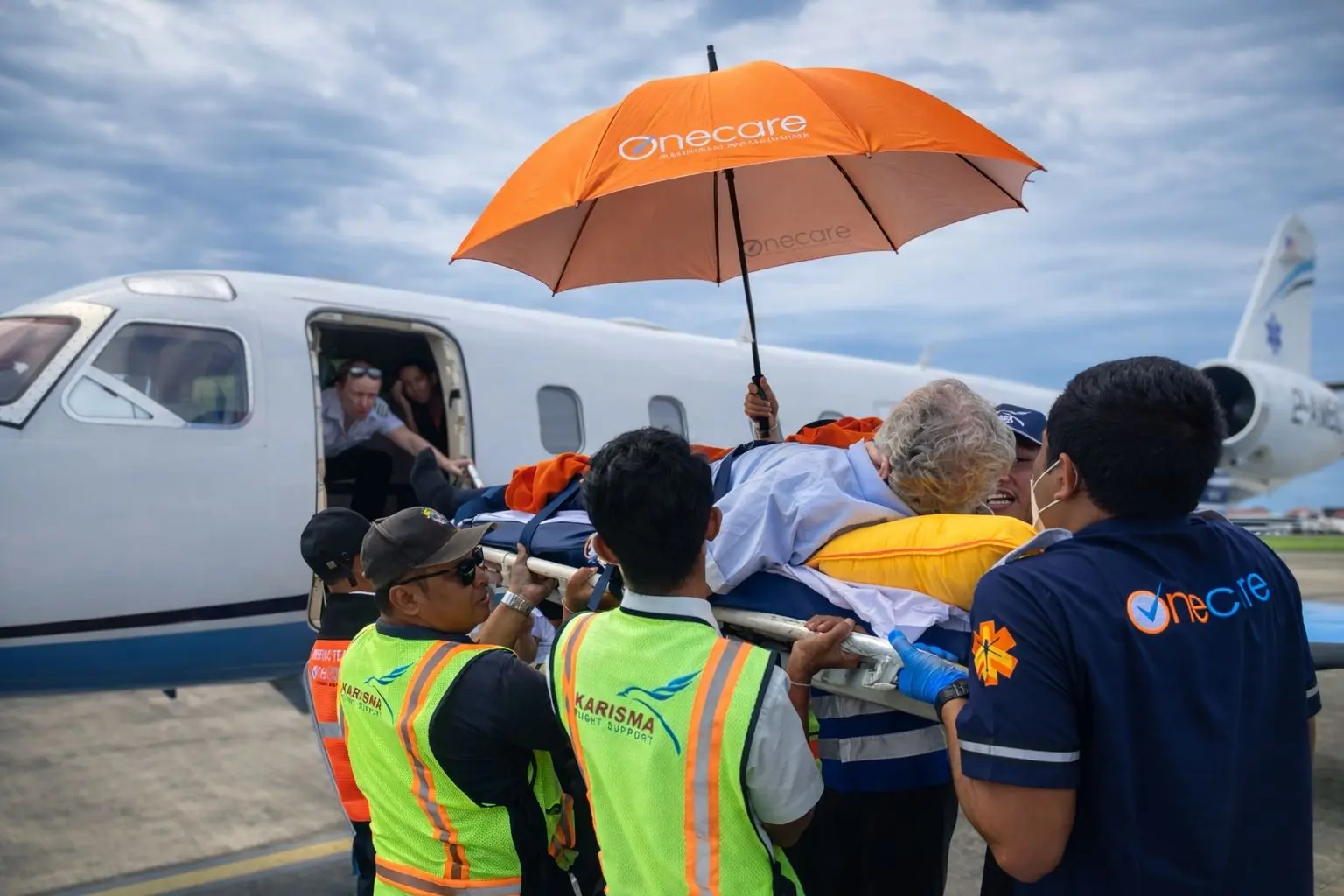
Unlike a commercial trip, an air ambulance carries clinical staff and monitoring equipment dedicated to a single patient. Ventilators, cardiac monitors, and infusion pumps travel with the team, so treatment continues without interruption in the air. Because departures are planned around the patient rather than a timetable, flights can be organized quickly. For a wider look at urgent flights across the country, see our overview of emergency air transport in Indonesia.
Fixed-Wing vs Helicopter Transport
Fixed-wing aircraft are the usual choice for longer distances, such as transfers between islands or to hospitals overseas. They offer more cabin space and range, which suits patients who need continuous intensive care. Helicopters, on the other hand, are better for short hops and for locations without a nearby runway. The right option depends on distance, weather, and the patient’s condition.
Who Typically Needs a Medical Flight
Medical flights are most often used for trauma, stroke, cardiac events, and complex conditions that need specialist care not available locally. They are also common when a traveler needs to return home for ongoing treatment. In most cases, the treating doctor and the flight medical team decide together whether air transport is safe and necessary.
Air Ambulance Booking Bali Step by Step
Organizing a transfer can feel overwhelming when everyone is worried, but the process follows a clear sequence. Having the right information ready at the start saves valuable time. The steps below show what most providers will ask for.
Share the Patient’s Condition
Begin by contacting the provider and describing the patient’s current condition, location, and the hospital they are in or need to reach. The more precise the details, the faster the medical team can judge urgency and recommend the right aircraft and crew. A short call with the treating doctor often helps clarify these points.
Confirm Cost, Timing, and Route
Once the medical picture is clear, ask for a written quote that covers the aircraft, the medical team, and any ground ambulance legs at each end. Confirm the expected departure window, flight route, and the receiving facility. Clear agreements on these points prevent confusion at a stressful moment.
Prepare Records and Insurance Details
Gather recent medical records, test results, and a list of current medications, along with the patient’s passport and insurance information. The receiving hospital will need these to prepare for arrival, and the insurer may require them to approve payment. Keeping digital copies on your phone makes sharing them much easier.
Air Ambulance Booking Bali and Insurance
Insurance often decides how smoothly a transfer goes. Many travel and corporate policies include medical evacuation cover, but the terms differ widely, and some require approval before the flight is booked. Checking your policy before a trip is one of the simplest ways to avoid delays and unexpected bills.
Before an emergency happens, it helps to confirm the following with your insurer or assistance company:
- Whether medical evacuation and repatriation are included, and any limits on cost or distance
- Whether prior authorization is required before a flight can be arranged
- Which providers or hospitals the insurer prefers or already works with
- How the emergency assistance hotline operates and who coordinates with the flight team
Choosing a Provider You Can Trust
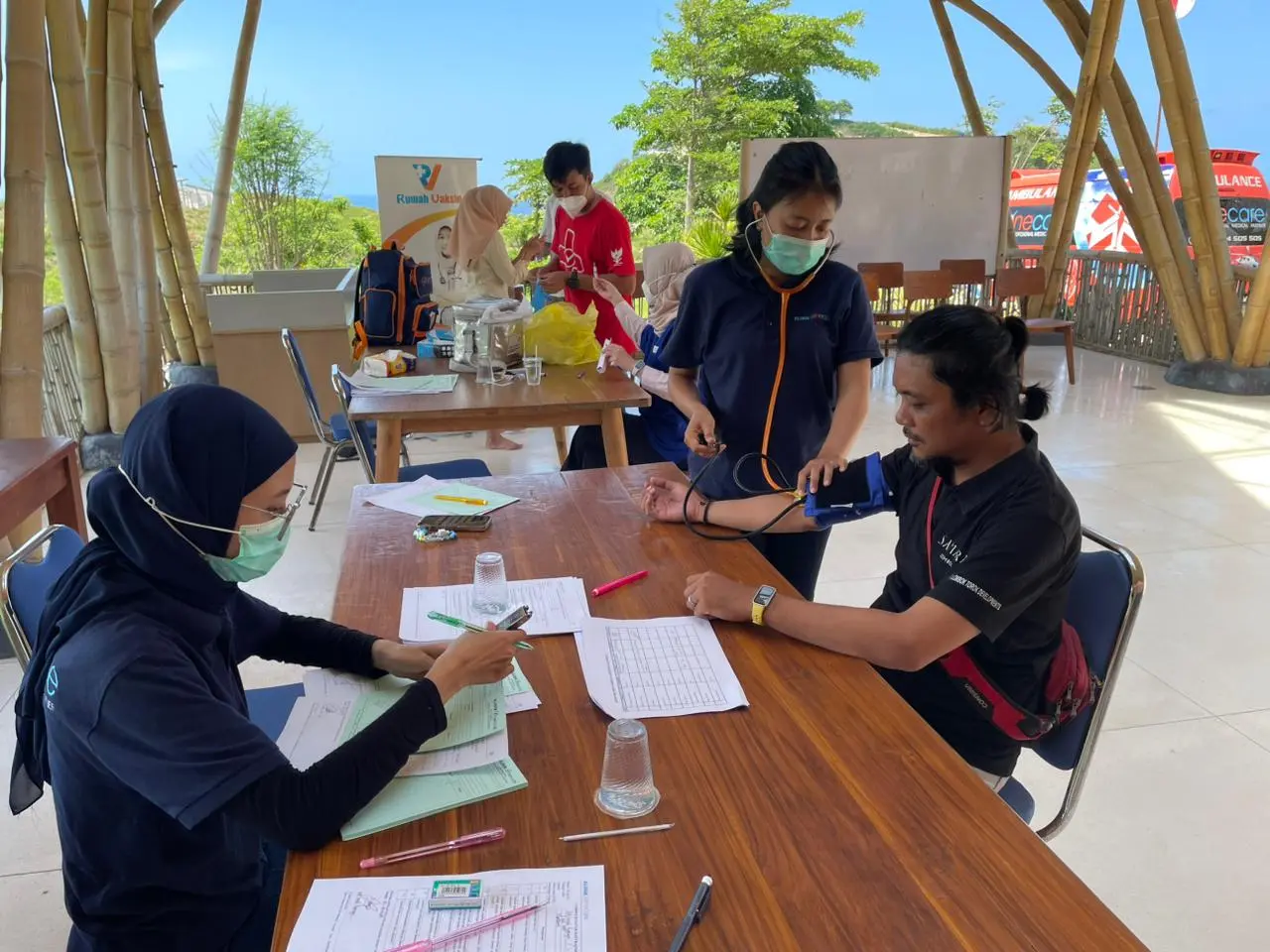
Not every provider offers the same level of care, so it is worth knowing what to look for. A dependable operator is open about its medical crew, aircraft, and process, and can answer your questions without hesitation. If you want a deeper walkthrough of how providers operate nationwide, our air ambulance services guide for Indonesia is a good place to continue.
Useful questions to ask any provider include:
- Which doctors, nurses, or paramedics will accompany the patient, and what is their critical care experience?
- What aircraft options are available, and how are they equipped?
- Is the team reachable around the clock, including holidays?
- Will you receive a clear written quote before the flight is confirmed?
- How does the team coordinate with the sending and receiving hospitals?
Coordination Beyond the Flight
Air ambulance booking Bali ultimately comes down to one idea: medical evacuation is not just about moving a patient from one place to another. It is about making sure every stage of the medical journey is coordinated, from the first call and bedside assessment to the final handover, so the patient receives the right treatment until they arrive at the destination facility.
If you need to discuss a case, request a quote, or simply learn what to prepare, the One Care team is ready to help through any of these channels:
- Message us on WhatsApp: https://wa.me/6281260505505
- Visit One Care Bali: Jl. Sedap Malam No.110A, Kesiman, Kec. Denpasar Tim., Kota Denpasar, Bali 80237
- Email our emergency desk: emergency@onecarepartner.com
Emergencies rarely give much warning, but preparation makes them easier to manage. Knowing your options, keeping key documents within reach, and understanding your insurance can turn a chaotic situation into a well-organized response. Acting early gives patients and their families the best chance of a safe and steady journey to care.