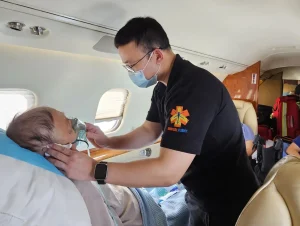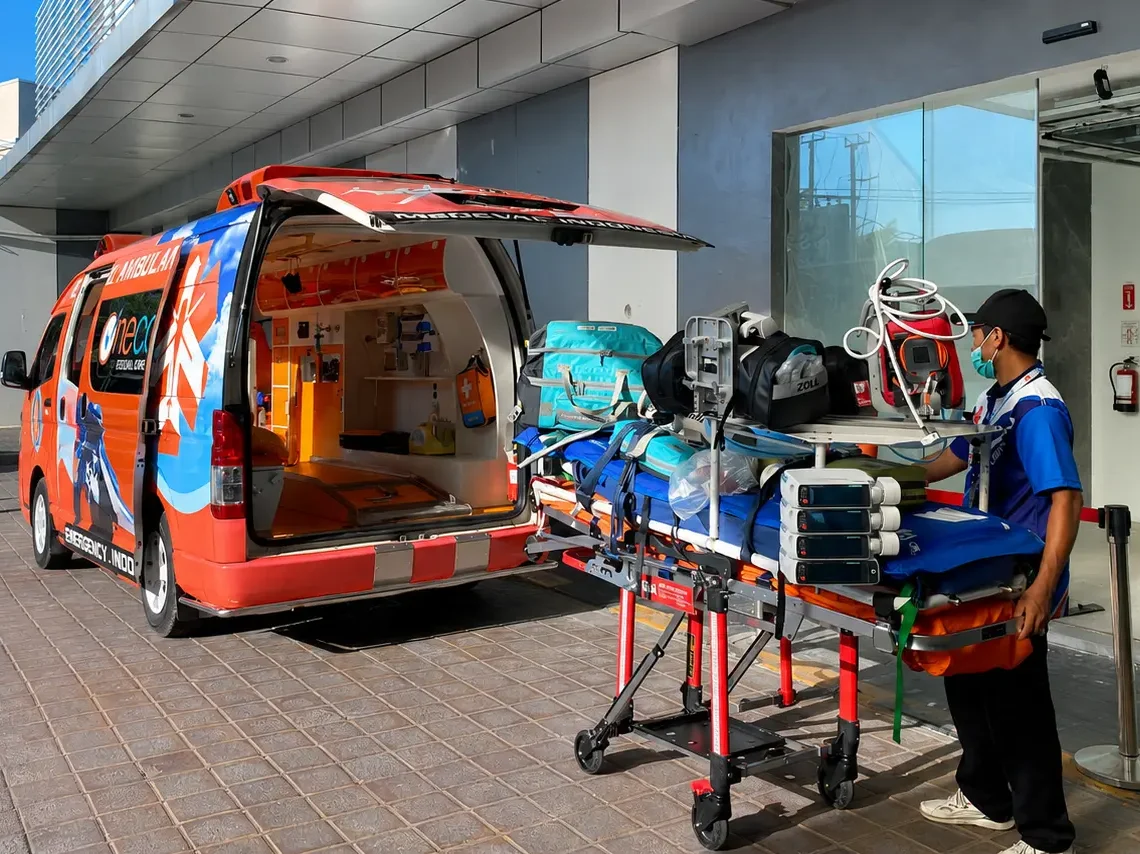
A medical emergency can become more complicated when it happens away from a major city, in a remote area, or on another island. Understanding medical evacuation scenarios Indonesia can help families, travelers, companies, and assistance providers recognize when a patient may need to be transferred to a facility with more appropriate medical capabilities.
Knowing when evacuation may be necessary is only part of the process. The appropriate method also depends on the patient’s condition, location, available medical facilities, distance, weather, and the level of medical support required during transport.
What Is Medical Evacuation?
Medical evacuation, commonly known as medevac, is the organized transfer of a patient from one location (usually from remote site) to another when appropriate medical treatment is not available at the current location or when a higher level of care is required. This can involve air or ground transportation, depending on the urgency of the situation and the patient’s medical needs. In Indonesia, where many regions are remote and not easily accessible, having a robust medical evacuation plan is crucial for both locals and travelers.
Trusted Indonesia medical evacuation services can be essential for addressing life-threatening emergencies, severe injuries, or conditions that require specialized medical care not available at the site of the incident. Understanding the protocols and logistics behind medical evacuations can help individuals and organizations prepare for unexpected medical emergencies.
When Does a Patient Need Medical Evacuation?
The decision to evacuate a patient should be based on medical assessment rather than distance alone. A patient may require evacuation when the current healthcare facility cannot provide the treatment, equipment, or specialist care needed.
Common situations include:
- A serious or potentially life-threatening condition that cannot be adequately managed at the current facility
- A need for specialist treatment or medical equipment that is unavailable locally
- A patient’s condition that requires transfer to a higher-level hospital
- A traumatic injury requiring advanced diagnostic, surgical, or critical care
- A medical condition that cannot be safely managed at a remote site
- A need to transfer a patient to another city or country for continued treatment
The urgency of the evacuation will depend on the patient’s clinical condition. A stable patient may be transferred using a different method from a patient who requires continuous medical monitoring or advanced support.
Common Medical Evacuation Scenarios in Indonesia
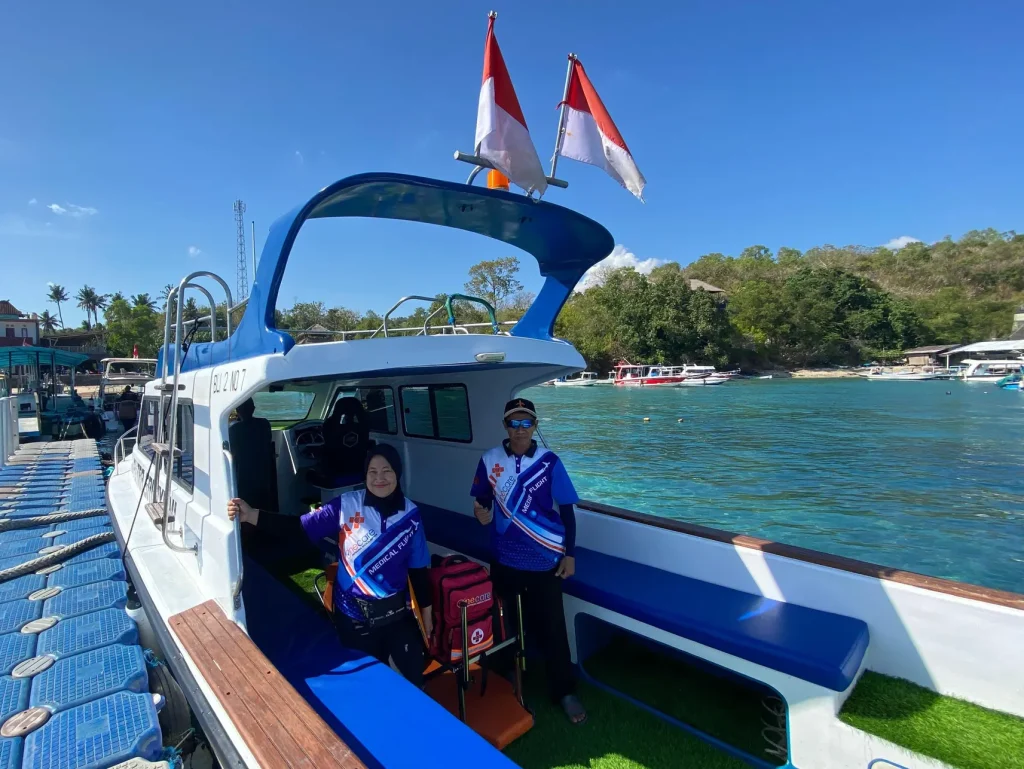
Medical emergencies can occur in many different environments. The circumstances surrounding the incident can affect how a patient should be transferred. Common medical evacuation scenarios Indonesia may include emergencies in remote areas and situations where appropriate treatment is unavailable locally.
Remote and Island Locations
Patients located on smaller islands or in remote destinations may face limited access to hospitals with advanced medical capabilities. A transfer may require several stages, such as a sea transfer followed by ground transportation or onward air travel.
Serious Injuries and Acute Medical Conditions
Severe injuries, acute illnesses, or sudden deterioration may require transfer to a facility capable of providing more specialized care. The patient’s stability and medical requirements should be assessed before transportation is arranged.
Natural Disasters and Large-Scale Emergencies
Earthquakes, floods, landslides, and other emergencies can affect both patients and local healthcare infrastructure. When local facilities are overwhelmed or inaccessible, coordinated medical transportation may become necessary.
Remote Worksites
Mining, construction, plantation, offshore, and other remote operations may be located far from appropriate medical facilities. In these environments, evacuation planning should account for both the patient’s medical needs and the logistical limitations of the site.
What Factors Determine the Right Evacuation Method?
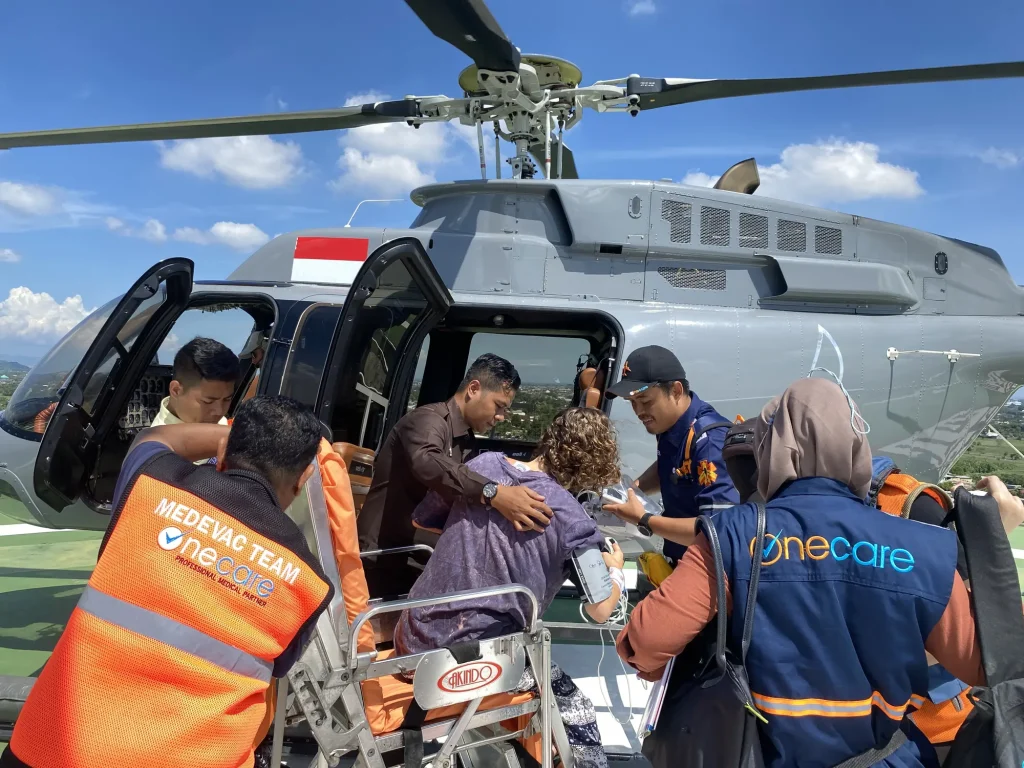
There is no single evacuation method that is appropriate for every patient. The most suitable option is determined by combining medical and operational considerations.
Patient Condition
The patient’s stability is one of the most important factors. Medical teams will consider the patient’s diagnosis, current condition, required treatment, and level of monitoring during transportation.
Distance and Location
A short transfer between hospitals may be suitable for a land ambulance, while patients located on islands or in remote areas may require sea or air transportation.
Availability of Medical Facilities
If appropriate treatment is unavailable at the current location, the patient may need to be transferred to a referral hospital with the necessary specialist services or equipment.
Weather and Operational Conditions
Weather, airport availability, road conditions, landing facilities, and other operational factors can influence which evacuation method is feasible.
Required Level of Medical Support
Some patients may only require basic assistance during transportation, while others need a medical team, oxygen, monitoring equipment, or more advanced support throughout the transfer.
For cases where air transport is being considered, understanding the differences between dedicated air ambulance Indonesia services and other forms of medical transport can be useful. Read our air ambulance medical evacuation guide for a closer look at how air ambulance transfers are planned and carried out.
Types of Medical Evacuation in Indonesia
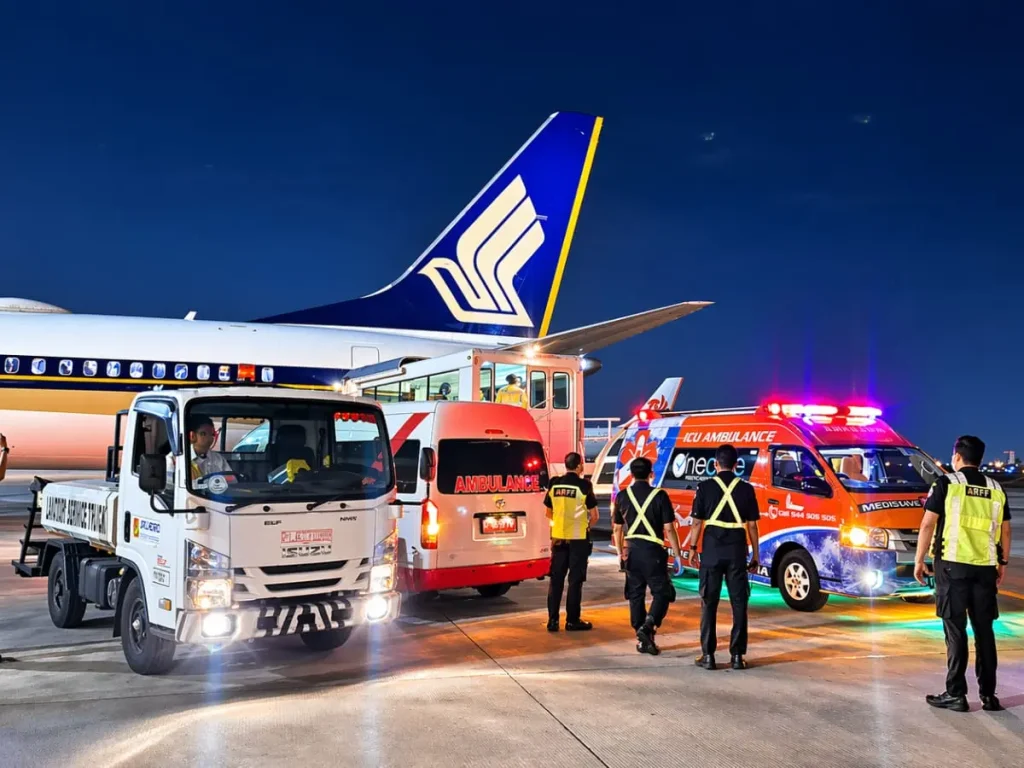
Medical evacuation can take several forms depending on the patient’s needs and location.
- Land ambulance is commonly used for hospital-to-hospital transfers, transfers to airports, and emergency transportation over accessible road routes.
- Sea medical transfer can be important in Indonesia because many destinations are located on separate islands. Patients may need to be transferred by speedboat or other suitable maritime transport before continuing to a hospital or airport.
- Commercial medical escort may be considered for patients who are medically stable enough to travel on a commercial flight but still require professional medical supervision.
- Air ambulance provides a dedicated aircraft and medical team for cases where the patient’s condition, location, or required level of care makes dedicated air transport appropriate.
The final method should be determined through medical assessment and operational planning rather than based solely on speed or cost.
How to Arrange Medical Evacuation in Indonesia
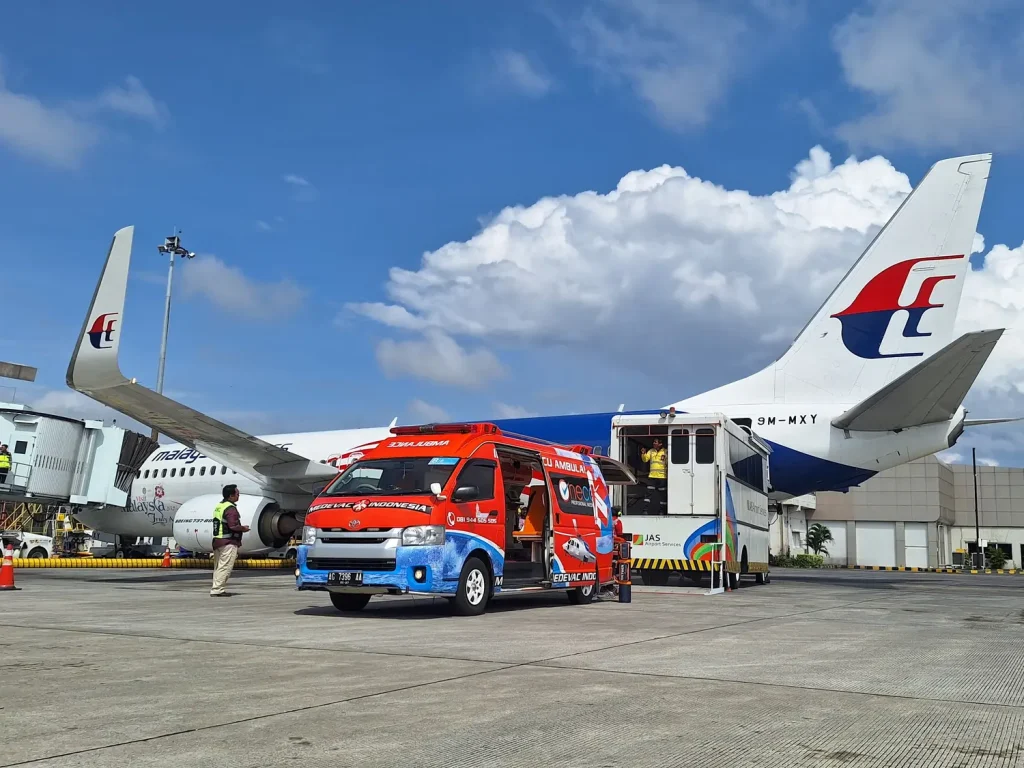
When a patient may require evacuation, the first step is to obtain a medical assessment and determine whether transfer is appropriate. If the patient is already receiving treatment, the treating medical team can provide information about the patient’s condition, current treatment, and recommended destination.
The next step is to coordinate the transportation requirements. This may include:
- Assessing the patient’s medical condition and stability
- Identifying the appropriate receiving hospital
- Reviewing the patient’s current location and available transport routes
- Determining the required level of medical support
- Selecting the appropriate evacuation method
- Coordinating the transfer with the medical team and receiving facility
For international travelers, insurance or assistance providers should also be notified as early as possible. Coverage, medical authorization, and coordination requirements can vary depending on the policy and circumstances.
When professional coordination is required, medical evacuation Indonesia services can help manage the medical and logistical aspects of transferring a patient between locations or healthcare facilities.
Medical Evacuation for Travelers in Indonesia
Travelers may experience medical emergencies far from their home country or usual healthcare providers. In addition to arranging treatment, they may need help locating an appropriate hospital, communicating with medical providers, coordinating transportation, or arranging further transfer.
This is particularly relevant when traveling between islands or visiting destinations where access to advanced medical facilities may be limited.
For a broader overview of what travelers can do when they need healthcare support, see our guide to medical assistance for travelers in Indonesia.
Making the Right Decision in Medical Evacuation Scenarios Indonesia
Understanding medical evacuation scenarios Indonesia is useful when determining whether a patient may need to be transferred and what factors should be considered before transportation begins.
The appropriate solution may range from a local ambulance transfer to a sea transfer, commercial medical escort, commercial stretcher, or dedicated air ambulance. Early coordination can help the relevant medical and operational teams assess the situation and determine the most appropriate option.
For patients, families, travelers, and organizations arranging care in Indonesia, having access to coordinated medical support can make the evacuation process clearer and more manageable when urgent transfer is required.